
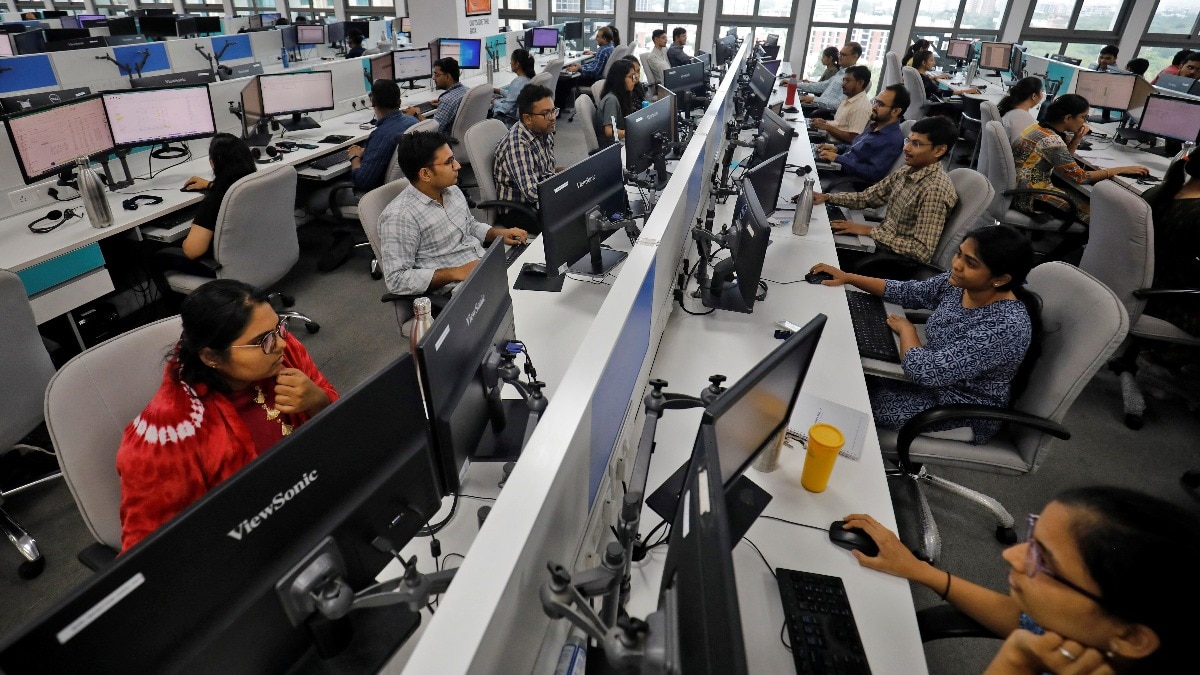
Tej Pandya, the Founder of Groweasy.ai, emphasises a significant comparison between the historic textile industry of India and the present landscape of its IT sector, cautioning that a lack of awareness may lead to a decline in the country’s technological edge.
In a post on LinkedIn that has ignited discussions among industry experts, Pandya expressed concerns about the past, stating that textiles once enriched India but have now largely diminished. He warned that the IT sector might face a similar trajectory.
From Muslin to Missed Chances
Pandya recounted that during the 18th century, India’s textiles, particularly muslin, represented about 25% of global trade, with fabrics widely exported throughout Europe. However, by the 20th century, India primarily became a raw cotton supplier, while nations like Britain and later Italy developed international textile brands.
Pandya firmly stated that Bangladesh now exports more garments than India, describing this as a cautionary tale rather than mere history, as it signifies India’s failure to modify with the transition from traditional handlooms to mechanised production, and from basic commodities to branded products.
A Caution for IT
Drawing a compelling comparison, Pandya warned that the Indian IT industry could encounter similar challenges if it continues to rely heavily on low-cost outsourcing. He remarked that if India persists in prioritising cheap outsourcing, advancements in artificial intelligence could jeopardise its position.
Instead, he argued that India must strive to ascend the value chain by cultivating innovative products, platforms, and reputable global brands, rather than merely serving as backend support.
Insights from Textiles
Pandya identified three critical factors that contributed to the decline of Indian textiles’ global stature:
1. Inability to ascend the value chain
2. Absence of global branding
3. Slow technology adoption
He pointed out that while “Made in Italy” is synonymous with high fashion luxury, India’s technology sector must aim to ensure that “Made in India” becomes a hallmark of innovation and reliability.
The Path Ahead
Pandya’s caution arises at a juncture when artificial intelligence and automation are transforming global IT services at an unprecedented pace. As conventional outsourcing faces increasing scrutiny, analysts suggest that his appeal for innovation in products is particularly pertinent. He concluded with a stark reminder that while textiles missed their opportunity, the IT sector cannot afford the same mistake.