
AI Innovations for Everyday Tasks
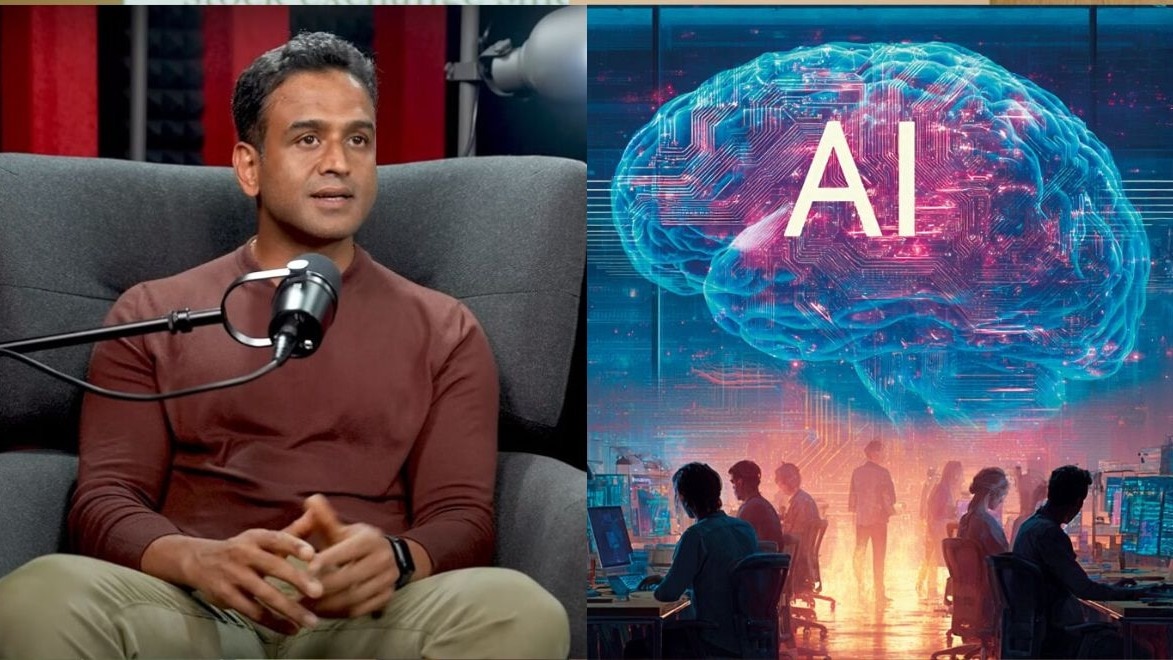
AI innovations are redefining routine tasks, as demonstrated by Nithin Kamath, CEO of Zerodha. He created a personal AI-powered solution to address a common annoyance: spam emails. This highlights how quickly AI solutions are transitioning from experimental use to practical applications.
In a recent post on X (formerly Twitter), Kamath expressed his excitement about launching his first AI agent. He developed a simple workflow to help filter out spam emails using Google Studio. One of the key features of this tool is its customizability, allowing users to set their own rules. He noted, for instance, that spam emails posed a significant personal challenge for him. Despite using various filters, he found himself spending approximately 30 minutes each day marking emails as spam. Kamath appreciates maintaining an empty inbox, leading him to humorously invite those sending unwanted emails to flood his inbox.

Kamath’s tweet stated, “I have my first AI agent running. I built a small workflow for myself to identify spam emails using Google Studio. It’s amazing how you can define the rules.”

Earlier, Kamath discussed a major transformation in technology: Large Language Models (LLMs) have progressed significantly from their earlier capabilities to achieve recognition from Linus Torvalds by 2026.
In another post on X, he pointed out that Torvalds, the founder of Linux and historically cautious of overhyped technologies, now acknowledges that LLMs can produce code that outperforms his own efforts. Kamath remarked on how astonishing it is that these models have advanced so far, becoming comparable or even better than human capabilities in numerous fields.
Kamath highlighted the evolution of LLMs, stating, “In 2023, LLMs generated random strings of text and ‘hallucinated.’ By 2026, Linus Torvalds recognises they can create code superior to his own.”
Another striking point that Kamath made was regarding the accessibility of technology. He shared the story of an individual named Karthik, who managed to create a functional website with a quiz despite having no programming experience.
Kamath humorously mentioned how Karthik, once a casual Scrabble player, was able to build an advanced tool, filling him with “full FOMO” about the current state of tech.
From Vibe Coding to Advanced Software
As LLMs evolve from simple “vibe coding” projects to robust, production-ready software, the tech industry is preparing for new paradigms. The traditional notion that “programming is 90% thinking and 10% typing” has become more relevant than ever. This suggests that the future programming “language” might not be Python or Rust, but rather plain English.