


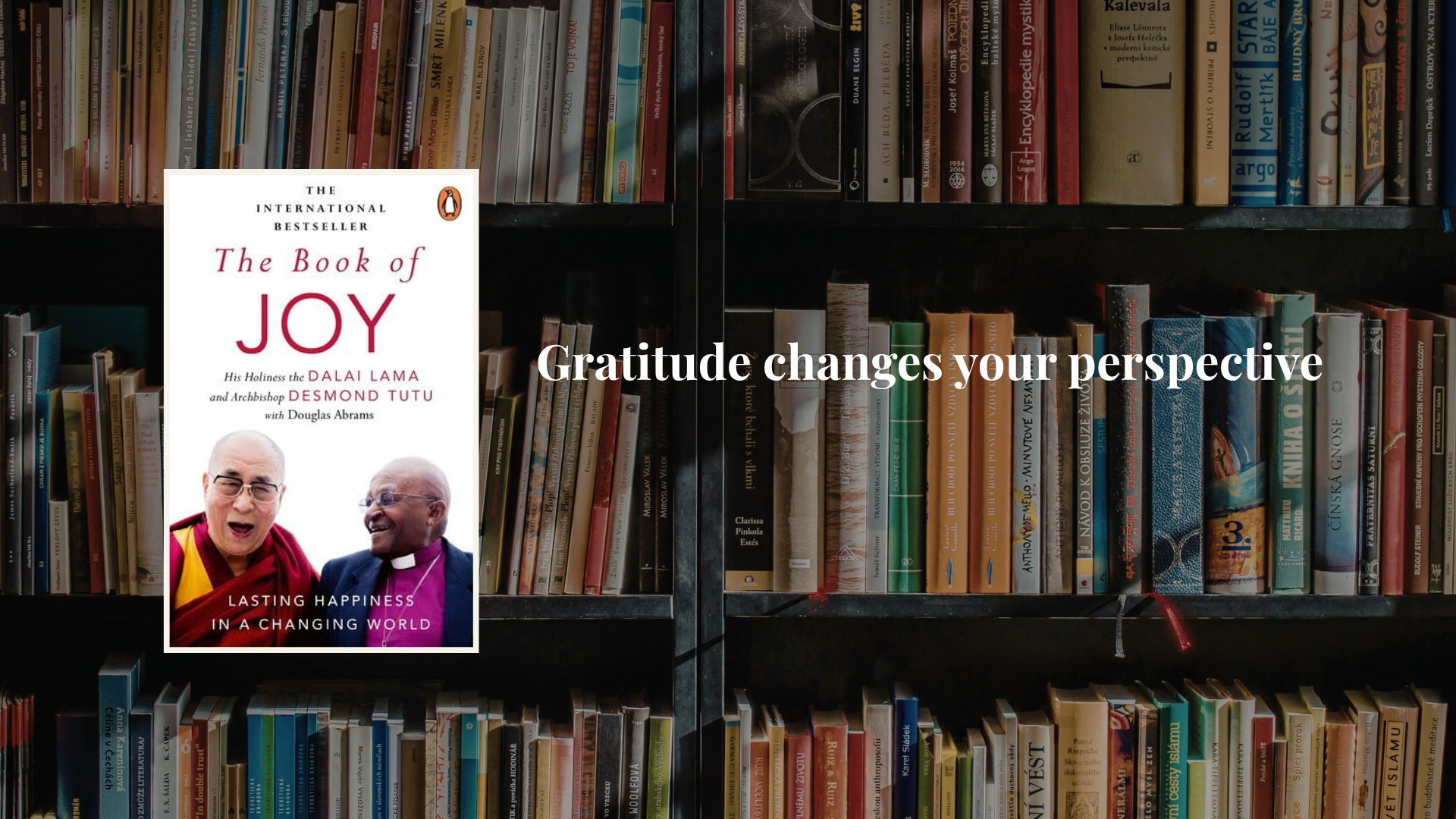
The Book of Joy: Lessons on Lasting Happiness
Happiness is often perceived as something that comes when life reaches perfection. Many believe that with more money, fewer issues, greater achievements, or improved circumstances, happiness will inevitably follow. However, The Book of Joy, authored by Douglas Abrams and based on discussions between the Dalai Lama and Archbishop Desmond Tutu, provides a different viewpoint. This book delves into how joy can coexist with suffering, uncertainty, and disappointment. Instead of waiting for life to ease, the authors advocate for cultivating qualities such as compassion, gratitude, forgiveness, acceptance, and generosity.
10 Important Lessons from The Book of Joy about Lasting Happiness
1. Joy Can Exist Alongside Suffering
The book challenges the notion that happiness is reliant on a pain-free existence. Both the Dalai Lama and Archbishop Tutu faced immense hardships, yet they managed to find joy. Their insights reveal that suffering and happiness are not necessarily opposites. One can recognise pain while still appreciating love, beauty, friendship, and life’s simple joys. When faced with adversity today, individuals should acknowledge the challenge, then consciously identify one positive aspect in their lives.
2. Compassion Enhances Our Happiness
Compassion is presented as more than just kindness towards others. Caring for the struggles of others can alleviate our preoccupation with personal worries. By redirecting focus from oneself to others, problems can feel less overwhelming, fostering a deeper sense of connection. Engaging in one small act of kindness today, without expecting recognition or reward, can make a difference.
3. Gratitude Shifts Your Focus
Gratitude serves to redirect attention from what is absent to what is present. The book encourages readers to appreciate the people, opportunities, and everyday moments often overlooked. Practising gratitude does not equate to ignoring life’s challenges; rather, it involves ensuring that difficulties do not monopolise our thoughts. Each night, jot down three specific things from the day that were appreciated.
4. Forgiveness Releases You from the Past
Clinging to anger can keep painful memories alive long after the initial event. The book portrays forgiveness as a means of liberating oneself from resentment’s weight. Forgiving does not imply endorsing past actions; it signifies a deliberate choice not to let past events dominate emotional well-being. Identifying a grudge and considering the benefits of gradually releasing it can be enlightening.
5. Perspective Transforms Challenges
Different individuals can encounter similar situations but respond in vastly different ways. The book highlights perspective’s influence on how adversity is experienced. Considering a concerning scenario from a broader viewpoint can uncover insights, lessons, or strengths that remain hidden when one is solely focused on the issue. When facing obstacles, ask, “What lessons might this experience teach that I couldn’t learn otherwise?”
6. Move Away from the Pursuit of Constant Pleasure
Striving for pleasure can be exhausting when constant enjoyment is expected. The Book of Joy differentiates between fleeting pleasure and profound joy. Lasting happiness stems from meaning, connections, compassion, and inner peace rather than perpetual entertainment. This week, consider replacing an hour of passive entertainment with a meaningful activity, such as spending time with a loved one, creating something, or assisting someone in need.
7. Connection is Vital
Humans are inherently social beings, and the book continually underscores the importance of relationships. Authentic connections provide solace during tough times and enhance joy during happy moments. Cultivating significant relationships necessitates presence, generosity, and genuine care for others. Reach out to a friend and engage in an uninterrupted conversation, free from distractions.
8. Accept the Uncontrollable
Much of our discontent arises from resisting realities that cannot be altered. The book promotes acceptance as a means to alleviate unnecessary pain. Acceptance does not equate to passivity; it involves clearly recognising reality, allowing energy to be redirected to the aspects that can be changed. Categorise a current worry into “within my control” and “outside my control,” focusing actions solely on the former.
9. Choose Generosity Over Self-Centredness
Generosity provides a sense of purpose that personal success alone cannot offer. Assisting others connects individuals to a larger community. The book asserts that giving often enhances happiness rather than diminishes it. This week, dedicate time, attention, knowledge, or support to someone without treating it as a transactional engagement.
10. Happiness is a Skill
Arguably the most vital lesson is that enduring joy is not merely a serendipitous occurrence. It can be nurtured through consistent choices and habits. Attributes like compassion, gratitude, forgiveness, perspective, and connection become second nature through regular practice. Consequently, happiness becomes less contingent on whether everything unfolds as intended. Pick one quality from the book, such as gratitude, compassion, forgiveness, or generosity, and practise it intentionally over the next week.
Why These Lessons Are Significant
The Book of Joy presents a compelling alternative to the belief that happiness relies on achieving a flawless life. Its core message is that joy can thrive alongside hardship. While it may not be possible to eradicate every disappointment, loss, or uncertainty, individuals can learn to respond to these challenges more effectively. Perhaps genuine happiness lies not in avoiding problems but in developing the resilience to experience meaning, love, and joy, even amid life’s imperfections.
[ad_1]