


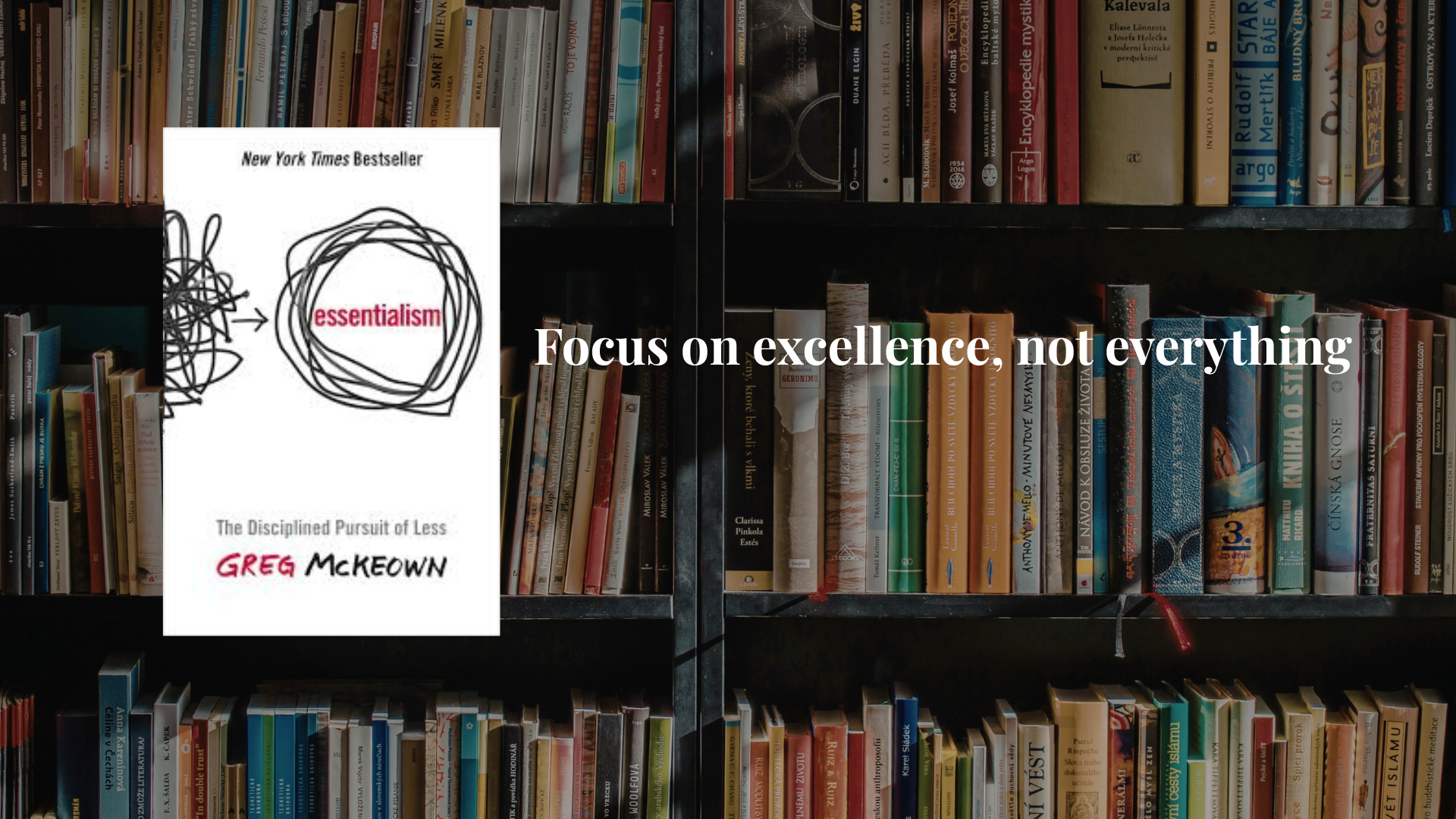
Essentialism: The Disciplined Pursuit of Less – A Path to Success
Essentialism begins with the understanding that modern life can often feel like a relentless race to remain occupied. Individuals balance numerous tasks, face crowded schedules, manage constant notifications, and meet high expectations while striving to remain productive. Despite achieving more than ever before, many still experience feelings of being overwhelmed and fatigued.
The reality is that doing more does not necessarily equate to doing better. Agreeing to everything can drain energy from what genuinely matters, resulting in busyness without significant progress. This is where Essentialism: The Disciplined Pursuit of Less by Greg McKeown provides an insightful viewpoint. Instead of promoting the notion of doing more, the book poses an intriguing question: What if success lies in doing fewer things but executing those things more effectively?
At its essence, Essentialism focuses on directing time and energy toward what is truly important. For those who frequently feel mentally burdened or spread too thin, here are five impactful lessons from Essentialism about achieving better outcomes through prioritisation.
5 Key Takeaways from Essentialism
1. Not Everything Deserves Your Attention
A significant lesson from the book is straightforward yet challenging: not all tasks carry equal weight. Individuals often regard every opportunity, assignment, or request as equally urgent, leading to overwhelm. Essentialism encourages readers to distinguish the genuinely important from the rest. Rather than asking, “How can everything be accomplished?” a more effective query is: “What truly matters the most?” Developing prioritisation skills fosters clarity and diminishes mental fatigue.
2. Saying No is a Form of Self-Respect
Many individuals face difficulties in declining requests due to a fear of disappointing others. However, consistently agreeing to everything can result in burnout, resentment, and a diminished focus. The book emphasises that each unnecessary agreement translates to a subtle refusal of something valuable. Safeguarding one’s time and energy is essential, not selfish. Establishing boundaries enables individuals to be more present for what genuinely warrants their attention.
3. Busy Does Not Always Mean Productive
Contemporary culture often glorifies busyness, yet being perpetually occupied does not guarantee meaningful progress. Essentialism scrutinises the assumption that increased effort invariably yields better results. At times, taking a step back and concentrating intently on fewer goals can produce stronger outcomes than relentless multitasking. This insight is particularly significant for those who consistently feel drained yet unfulfilled.
4. Create Space for What Matters
The book underscores a reminder often overlooked: space is vital. Continuous busyness leaves little room for contemplation, creativity, or rest. Meaningful ideas frequently arise during tranquil moments. Allocating time for thought, relaxation, and focused work enhances both concentration and emotional well-being. Surprisingly, doing less can often lead to increased clarity rather than diminished progress.
5. Focus on Excellence, Not Everything
Striving to be competent in every area can lead to a lack of mastery in any. Essentialism advocates for deliberate trade-offs. Instead of dispersing energy across numerous objectives, the focus should be on what truly matters, aiming for excellence in those specific areas. This lesson liberates individuals from the pressure of trying to keep pace with everything. There is no need to accomplish everything; the focus should simply be on what is most significant.
Overall, Essentialism: The Disciplined Pursuit of Less serves as a crucial reminder in a world fixated on doing more: sometimes, less genuinely equates to more. The aim is not idleness or avoidance; it is about intentional focus. By mastering prioritisation, learning to decline unnecessary commitments, safeguarding energy, and centring attention on what truly matters, life can become more serene and meaningful. Success is not merely about accomplishing all tasks; it often hinges on performing the right tasks more effectively.
[ad_1]