


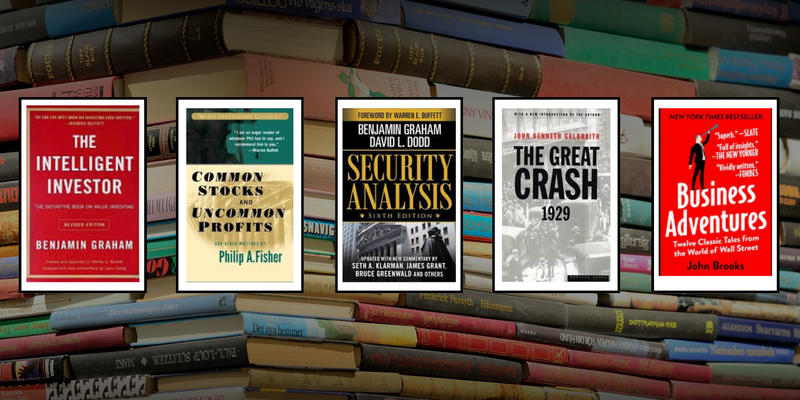
Warren Buffett, widely known as the Oracle of Omaha, is admired not only for his extraordinary investment skills but also for his profound passion for reading. His choice of literature offers critical insights into the principles that have influenced his successful career. Publications like the Wall Street Journal underscore Buffett’s literary wisdom, reflecting his conviction that knowledge is a valuable cumulative resource. Below are five essential books that Buffett highly recommends, each offering lessons on investment, business, and financial history.
1. The Intelligent Investor by Benjamin Graham
Buffett has repeatedly referred to **The Intelligent Investor** as the best investment book ever written. This classic, penned by his mentor Benjamin Graham, establishes the groundwork for value investing—a strategy aimed at identifying undervalued stocks with potential for long-term growth. The book stresses the significance of a disciplined approach, maintaining a margin of safety, and resisting emotional impulses in the marketplace.
- Emphasise intrinsic value over mere market speculation.
- Cultivate a rational investment strategy.
- View market fluctuations as opportunities rather than threats.
Buffett credits much of his success to the principles outlined in this book, making it essential reading for prospective investors.
2. Common Stocks and Uncommon Profits by Philip Fisher
Philip Fisher’s landmark work focuses on the qualitative dimensions of investing. While Graham centred on numerical analysis, Fisher examined the importance of a company’s management, innovation, and growth potential. This combination of viewpoints significantly shaped Buffett’s investment philosophy.
- Look beyond financial statements; assess a company’s leadership and vision.
- Invest in companies with substantial long-term growth potential.
- Exercise patience and allow investments to grow over time.
Buffett has noted that Fisher’s insights regarding management evaluation remain exceptionally relevant today.
3. Business Adventures: Twelve Classic Tales from the World of Wall Street by John Brooks
Buffett has described **Business Adventures** as the best business book he has ever read. This book features captivating case studies from the financial sector, encompassing events from the Ford Edsel debacle to the stock market crash of 1962. Each story imparts timeless lessons on the triumphs and missteps of major corporations.
- Comprehend the human dimension behind corporate decisions.
- Learn from both historical successes and failures.
- Adjust to evolving business landscapes.
Bill Gates, another enthusiastic reader of this book, mirrors Buffett’s appreciation for its ability to capture the complexities of the corporate realm.
4. Security Analysis by Benjamin Graham and David L. Dodd
Another significant work from Benjamin Graham, co-authored with David Dodd, **Security Analysis** is an extensive yet rewarding exploration. This book serves as the cornerstone of value investing, providing comprehensive methods to evaluate a company’s financial stability and identify undervalued securities.
- Execute thorough fundamental analysis before making investments.
- Focus on long-term value creation over immediate returns.
- Weigh risk carefully with appropriate research and preparation.
Buffett considers this book a definitive guide for serious investors and has revisited it multiple times throughout his career.
5. The Great Crash of 1929 by John Kenneth Galbraith
In **The Great Crash of 1929**, Galbraith recounts the events that led up to and followed one of the most catastrophic financial crises in history. Buffett endorses this book to comprehend the repercussions of speculation, greed, and insufficient regulatory oversight.
- Identify the risks associated with speculative bubbles.
- Learn from past market crashes to better navigate future uncertainties.
- Value regulatory frameworks that support market stability.
Buffett admires Galbraith’s analytical narrative, which acts as a cautionary tale for investors across all generations.
Why These Books Matter
Buffett’s book suggestions provide not just a glimpse into his reading preferences but also a framework for understanding the key principles that lead to success and effective decision-making. Each title offers distinct perspectives, covering both the technicalities of analysing securities and broader lessons from financial history. Collectively, they offer a comprehensive education for anyone aspiring to build wealth and secure long-term success.
[ad_1]