


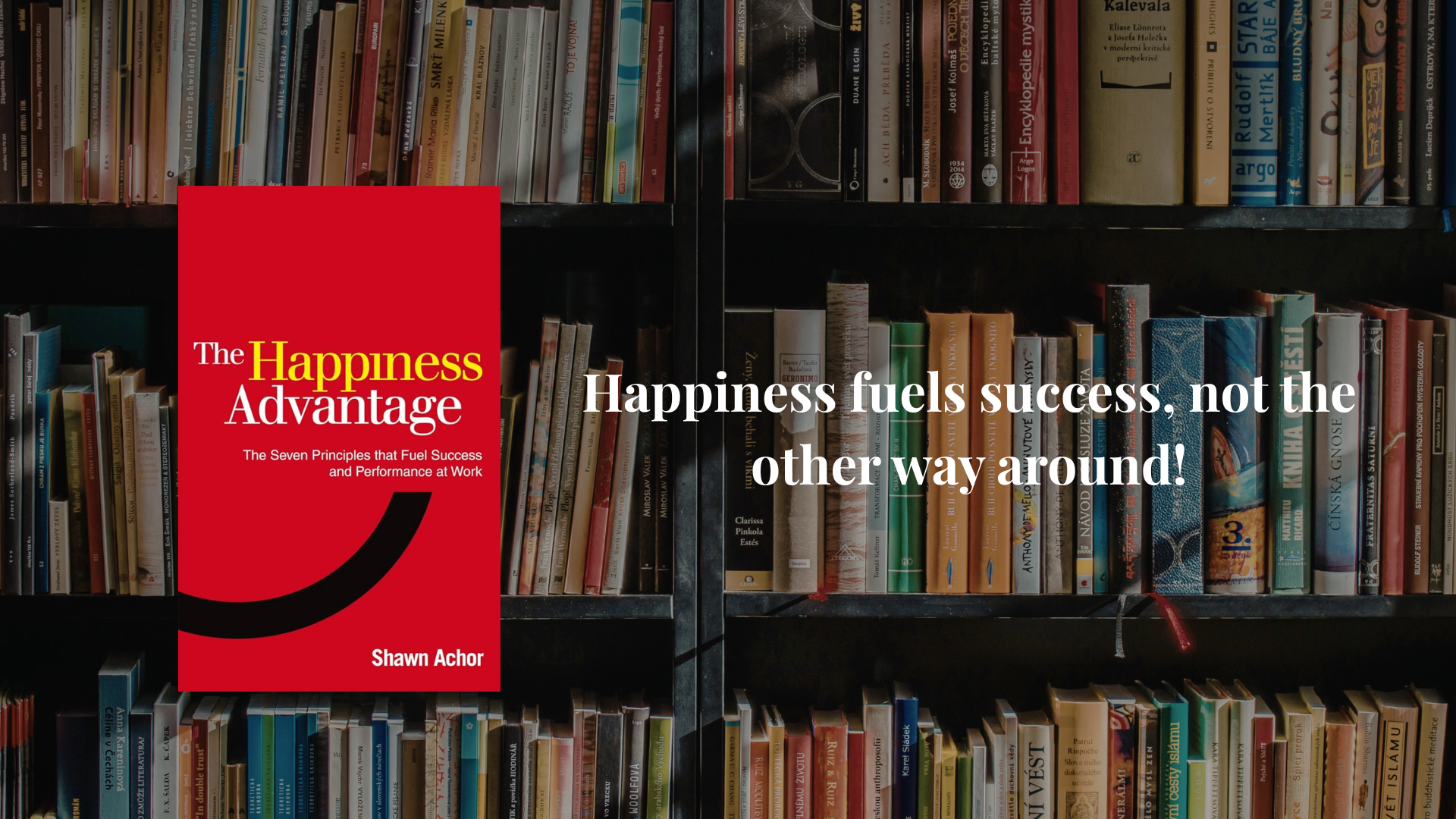
The Happiness Advantage: Lessons for a Positive Mindset
Happiness is often perceived as a destination that follows success. Many adopt a common mindset: they will be happy once they get promoted, life becomes easier, or everything settles down. Yet, even upon reaching significant milestones, individuals frequently find themselves stressed, overwhelmed, or emotionally drained. What if this sequence is mistaken? What if happiness isn’t simply the outcome of success, but rather the driving force that makes achieving success easier?
This powerful notion is explored in The Happiness Advantage by Shawn Achor. Grounded in psychology and scientific inquiry, the book argues that a positive mindset enhances performance, productivity, relationships, resilience, and overall well-being. Rather than waiting for life to be flawless, it inspires readers to develop habits that foster happiness in the present moment.
10 Practical Lessons from The Happiness Advantage
1. Happiness Fuels Success, Not the Other Way Around
This lesson challenges conventional beliefs. Many think that achieving success leads to happiness. However, Shawn Achor reveals that happiness actually boosts performance. Positive emotions enhance creative thinking, improve problem-solving skills, and increase resilience during challenging times. The key takeaway is clear: stop deferring happiness until conditions seem perfect.
2. Train Your Brain to Notice the Positive
The brain tends to concentrate on problems and threats. However, a constant focus on negativity can adversely impact emotional well-being. The book advocates for the conscious practice of gratitude and optimism. Small habits like recognising achievements, reflecting on positive moments, or valuing progress gradually shift one’s perspective over time. Positivity flourishes through consistent practice.
3. Your Mindset Shapes Your Reality
How individuals interpret situations can be just as important as the situations themselves. Two people may confront the same challenge but respond differently due to their mindsets. A positive outlook does not dismiss challenges; instead, it equips individuals to handle them more effectively. This lesson underscores the power of perception.
4. Small Habits Create Big Emotional Changes
Major changes rarely happen overnight. Simple practices like journaling, expressing gratitude, engaging in physical activity, meditating, or reflecting positively can enhance emotional health over time. The book stresses the importance of consistency over drastic transformations. Daily actions subtly impact mental health more than many realise.
5. Stress Becomes Easier When Perspective Changes
Stress often feels more intense when people view challenges as threats rather than opportunities for growth. The book promotes the idea of reframing difficulties. When viewed as temporary, manageable, or meaningful learning experiences, tough situations can become simpler to navigate. A change in mindset enhances emotional resilience.
6. Surround Yourself with Positive People
Emotional states can be contagious. The individuals surrounding you can significantly influence your mood, confidence, mindset, and emotional energy—often more than one might realise. Supportive and optimistic atmospheres can dramatically enhance emotional well-being. It’s crucial to safeguard emotional spaces.
7. Celebrate Progress, Not Just Outcomes
Many individuals only feel satisfied after achieving significant milestones. However, waiting solely for major successes can lead to frustration. The book urges readers to appreciate progress, effort, and minor victories, which helps sustain motivation and emotional equilibrium. Growth becomes more attainable when progress is acknowledged.
8. Failure is Feedback, Not Identity
A single difficult experience does not define future potential. The book advocates for healthier reactions to setbacks. Rather than perceiving failure as a sign of inadequacy, it should be seen as valuable feedback for growth and adjustment. This perspective can mitigate fear and foster resilience.
9. Helping Others Improves Happiness, Too
A surprising insight from the book is that acts of kindness enhance emotional well-being. Supporting friends, offering encouragement, or helping others often strengthens connections and personal fulfilment. Positive relationships play a crucial role in fostering long-term happiness, and often, joy is amplified through generosity.
10. Positive Thinking is a Skill, Not Luck
Perhaps the book’s most compelling lesson is that positivity can be cultivated. While some individuals may believe that optimism is inherent, Achor suggests that mindsets can improve through habits, awareness, and intentional thinking. A healthier mindset develops gradually through sustained effort.
The Happiness Advantage serves as a meaningful reminder that positivity is not about denying life’s imperfections. It encourages the development of habits and perspectives that empower individuals to navigate life more effectively. Through gratitude, resilience, mindset changes, and healthier thought patterns, the book illustrates that happiness is not a distant goal; it is something individuals can actively create. Sometimes, a shift in mindset can silently transform one’s entire life experience.