


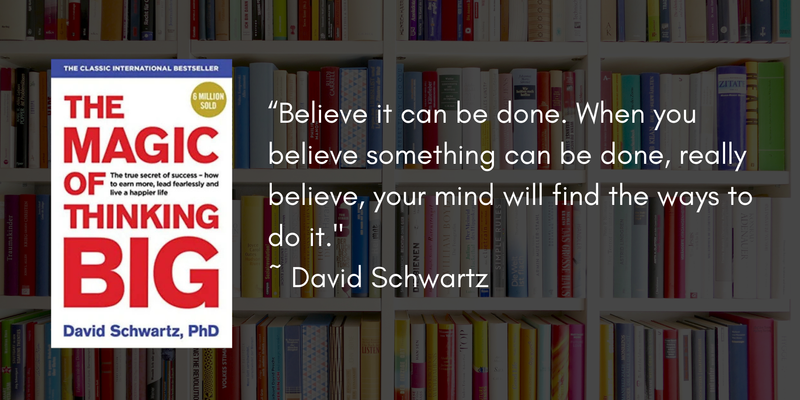
The Magic of Thinking Big: Unlocking Your Potential
Success is not solely reliant on intelligence, chance, or talent; rather, it is predominantly shaped by one’s mindset. In The Magic of Thinking Big, David J. Schwartz delivers a compelling argument on why adopting a larger perspective results in greater achievements, wealth, and personal satisfaction. First published in 1959, this enduring self-help book continues to resonate, providing essential principles that empower individuals to transcend self-imposed barriers and access their full capabilities. Schwartz posits that our beliefs dictate our experiences. Approaching challenges with a small mindset leads to minimal achievements, while a broader outlook paves the way for remarkable successes. Through practical techniques, motivational stories, and actionable advice, The Magic of Thinking Big instructs readers on building confidence, conquering fears, setting lofty goals, and nurturing a mindset geared towards success. The central thesis of the book is straightforward yet profound: achieving success begins with our thoughts.
Whether aiming to progress in one’s career, enhance relationships, or elevate self-esteem, the insights from this book have the potential to revolutionise one’s approach to life.
10 Key Lessons from The Magic of Thinking Big
1. Believe you can succeed and you will
The journey to success commences with belief. Genuine conviction in one’s capabilities fosters a mindset that identifies pathways to success. Schwartz stresses the significance of positive thinking and the necessity of dispelling self-doubt. To strengthen this belief, individuals should envision success, affirm their skills, and take decisive action despite uncertainties. Those who succeed consistently bolster their belief systems through affirmations and resilience.
2. Stop making excuses
Individuals who attain remarkable achievements refuse to be hindered by excuses. The book identifies frequent excuses like lack of education, age, or misfortune and illustrates how they obstruct one’s potential. Instead, the focus should shift towards solutions and actions. Replacing excuses with proactive strategies, fostering resilience, and embracing a mindset of lifelong learning are essential. Those who excel find methods to overcome challenges rather than acquiescing to them.
3. Develop the habit of thinking big
Narrow thinking results in modest accomplishments. Schwartz advocates for readers to liberate themselves from restrictive thinking and to adopt a mentality that welcomes grand aspirations and significant success. This approach entails setting ambitious targets, dreaming beyond present circumstances, and consistently pushing personal boundaries. Adopting a big-picture mindset unlocks wider opportunities and helps individuals break through self-imposed barriers.
4. Turn defeat into victory
Failure should not be perceived as a conclusion but rather as a vital part of the journey towards success. Many of the most accomplished individuals learn from their errors and harness them as fuel for improvement. Every setback carries valuable lessons. Instead of fixating on failures, one should evaluate them, adjust strategies, and advance with renewed zeal. The capacity to convert failures into triumphs stems from resilience and an unwavering commitment to progress.
5. Be confident and banish fear
Fear can inhibit individuals from embracing opportunities. Schwartz provides pragmatic approaches to overcoming anxiety and cultivating self-assurance, including thorough preparation, visualising success, and taking decisive actions. Confidence flourishes through experience, preparation, and a readiness to confront challenges. Focusing on action rather than fear enables individuals to foster a mindset conducive to attracting success and seizing new opportunities.
6. Surround yourself with the right people
The company one keeps significantly impacts mindset and aspirations. Engaging with positive, driven individuals who foster personal growth is crucial, while distancing oneself from negativity is equally important. Successful people invest in strong networks of supportive peers. It’s vital to select mentors, colleagues, and friends who inspire self-improvement and offer constructive criticism. Choosing the right companions nurtures an environment ripe for development and achievement.
7. Take action without overthinking
Effective individuals are characterised by their ability to act. Rather than languishing in search of ideal conditions, they commence their journey from their current circumstances and make progress through consistent effort. Schwartz encourages readers to delineate procrastination and grasp opportunities. Overanalysis can lead to paralysis, obstructing meaningful action. By prioritising implementation over perfection, individuals are capable of steadily advancing towards their objectives.
8. Think and speak positively
The language one employs shapes their reality. Articulating positive affirmations about oneself and one’s goals reinforces a resilient mindset. It’s essential to steer clear of negative self-dialogue and instead focus on phrases that promote success. The vocabulary we choose profoundly influences our thoughts and emotions. By deliberately selecting language that embodies confidence, optimism, and possibility, individuals cultivate an environment that favours achievement and personal growth.
9. Set high goals and work towards them
Those who establish ambitious targets tend to achieve more than those who settle for mediocrity. Schwartz highlights the significance of aiming high and breaking down objectives into manageable components to sustain drive. Clear goals should be defined, actionable plans crafted, and long-term aspirations maintained in focus. Pursuing high goals motivates individuals to transcend their boundaries and reach unprecedented levels of success.
10. Give more than expected
Success often lies in surpassing expectations. In various aspects of life, including business, relationships, and personal growth, going above and beyond fosters lasting impressions and reaps greater rewards. Delivering exceptional value, providing assistance without anticipating immediate returns, and striving for excellence set successful individuals apart. Offering more than is required cultivates trust, strengthens connections, and paves the way for new opportunities.