
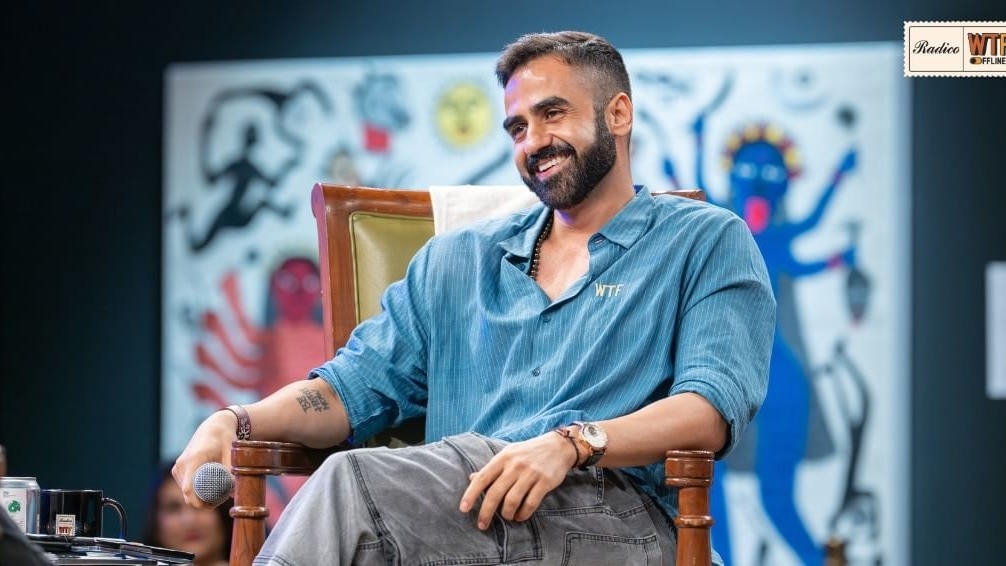
Curiosity Over Attention: Insights from Zerodha Co-Founder Nikhil Kamath
Zerodha co-founder Nikhil Kamath challenges a prevailing digital myth: the real scarcity is not attention, but curiosity.
Social Media and the Myth of Attention
In a recent post on X, Kamath expressed concerns about what he describes as a “social media recession.” He emphasised that this phenomenon is not due to fewer viewers but rather a significant decline in curiosity. He stated, “We often discuss limited attention, but perhaps the true limitation lies in curiosity. Without curiosity, attention has no real value. Do you agree?”
Research Backing Kamath’s Claims
Supporting his viewpoint, analytics firm Oddball revealed alarming findings about engagement rates projected for 2024. According to their data, X’s engagement has plunged by 48%, Facebook by 36%, TikTok by 34%, and Instagram by 16%. Additionally, user growth has slowed since its peak in 2021, with the average time users spend on these platforms dropping by 10 minutes each day.
Trust Issues on Social Media
This downturn extends beyond mere numbers; it has affected user trust. A mere 11% of users claim they trust social media platforms. The majority attribute this decline to the prevalence of clickbait, repetitive branding, and misinformation driven by algorithms.
The Brand Consequences
The repercussions for brands are evident. The growth in advertising spending has sharply decreased from 36% between 2019 and 2021 to only 11% in the past three years. Furthermore, three out of four marketers report diminishing returns on their campaigns.
The Enshittification Concept
Oddball’s research aligns with journalist Cory Doctorow’s notion of “enshittification,” which refers to the gradual decline of platforms into mere commercial chatter. Over half of users now feel that social media is becoming less social and increasingly transactional.
Shifts in User Preferences
Instagram’s CEO Adam Mosseri corroborates this change, noting that teenagers now favour private direct messages and Stories over public feeds. The trend indicates that personal sharing is increasingly taking place out of the public eye.
The Creator Burnout
Behind the scenes, content creators are feeling the strain. Oddball’s survey indicates that 63% of creators report feeling burnt out, and nearly half are contemplating leaving the industry.
Learning from the Past
Kamath refers to historical lessons, noting that brands which maintained an active presence after the 2008 financial crisis and focused on community engagement rather than mere clicks emerged more robust. His post suggests that if curiosity disappears, even the highest-quality content will struggle to break through the noise.