


Korean Wave: Transforming India’s Consumer Landscape
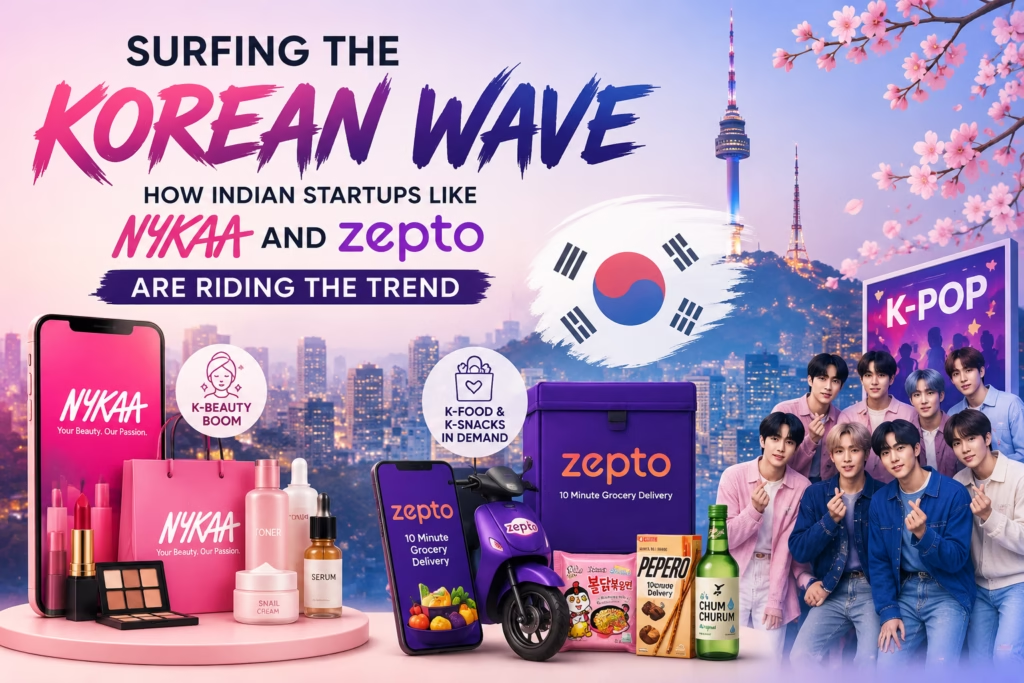
The Korean wave is influencing more than just binge-worthy dramas or K-pop concerts. It has become one of the rapidly growing consumer trends in India, leading both startups and major brands to adapt their products to align with Korean beauty, food, and fashion. Driven by Gen Z and Gen Alpha shoppers, companies such as Maccaron, Pilgrim, and Quench Botanics, supported by Nykaa, are broadening their range of Korean offerings, while quick commerce platforms allocate space for Korean food. Established brands like Reliance Retail, Nestlé, ITC, Hindustan Unilever, and McDonald’s are also introducing Korean-inspired items to meet the increasing demand. A recent report from Jefferies indicates that what initially began as an entertainment trend has transitioned into a lucrative market opportunity across various consumer segments.
Beauty Leads the Korean Boom
Beauty has surfaced as the prime beneficiary of the Korean wave. The beauty and personal care sector in India, estimated at around $24 billion for 2024, is anticipated to surge to nearly $45 billion by 2030. Within this market, the K-beauty segment, currently valued at $400 million and constituting about 2% of the total market, is on track to be the fastest-growing category, projected to reach approximately $1.5 billion by 2030, as per Jefferies.
Nykaa was one of the pioneers in aggressively fostering this category in India. In addition to expanding its portfolio of Korean brands, the company has hosted special events like the K-Beauty Festival, Nykaaland 3.0, and Amorepacific Day, all aimed at promoting Korean skincare brands.
Similarly, Reliance Retail’s Tira has embraced a parallel strategy, bringing in exclusive brands like TIRTIR, Mixsoon, and Skin1004, while organising Korean beauty festivals. While Nykaa has not disclosed the specifics regarding the contribution of Korean beauty to its total beauty Gross Merchandise Value (GMV), the report shows a 58% annual growth in Nykaa’s Korean Brand GMV.
This trend is evident across ecommerce platforms as well. As reported, Amazon’s K-beauty sales are climbing at approximately 75% year-on-year, while Myntra has seen around 200% growth in this category annually. Additionally, Indian D2C brands are adapting to this trend; Pilgrim has unveiled a dedicated Korean skincare range featuring around 40 products, while Quench Botanics has built its lineup around Korean formulations. Lakmé has introduced Korean-inspired beauty services, whereas Urban Company and Yes Madam now provide Korean skincare treatments.
Food is Emerging as the Next Major Growth Category
The demand for genuine Korean brands like Samyang and Nongshim is elevating food as the next significant area of growth. Quick commerce platforms are observing a surge in requests for these authentic brands. Zepto has already launched a specific section for Korean food, highlighting that these genuine Korean brands tend to outshine locally inspired alternatives.
This increasing consumer interest has prompted FMCG giants to enhance their Korean offerings, with Nestlé, ITC, HUL, and Tata Consumer introducing a variety of Korea-inspired products. Restaurant chains are experiencing a similar trend, with McDonald’s, Burger King, KFC, Domino’s, and Wendy’s all rolling out Korean-inspired menus in the past year. Executives from these companies have affirmed that these initiatives have resulted in heightened customer traffic, greater app engagement, and increased transactions, encouraging more brands to venture into Korean cuisine.
Fashion Follows Beauty
Marketplaces such as Myntra, Nykaa Fashion, and Ajio are broadening their collections to include Korean-inspired items. According to the report, Amazon currently features over 4,000 Korean fashion products, while the eyewear startup Lenskart has launched a K-pop-inspired collection with the support of an AI-driven virtual band.
Entertainment Created the Demand
The commercial potential has been greatly driven by Korean entertainment. Streaming services like Netflix, Prime Video, and MX Player have significantly expanded their libraries of Korean content as K-dramas gain popularity in India. Data from Spotify mentioned in the Jefferies report indicates that K-pop listenership in India has increased by 300% over the last five years, with the country boasting more than 15 million active K-pop fans.
For startups, the Korean wave has evolved from being merely a cultural movement to a vital business opportunity. Whether it’s beauty startups developing Korean skincare lines, quick commerce platforms creating special Korean food sections, or fashion marketplaces extending their Korean-inspired collections, companies are progressively regarding this trend as a lasting consumer shift rather than a fleeting fancy. As younger consumers continue to influence spending behaviours, Korea’s impact is undeniably solidifying as one of the most prominent growth themes within India’s consumer economy.