


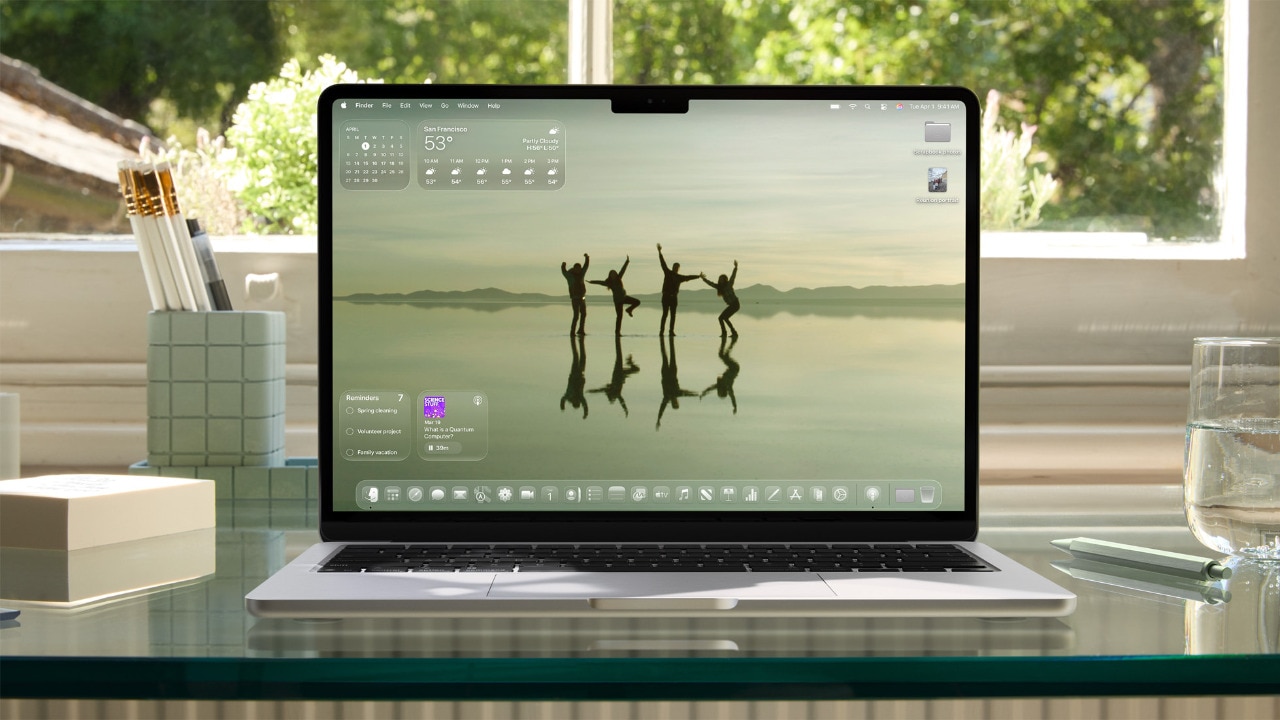
macOS Tahoe Update: Transition to Apple Silicon
Apple has made a significant announcement regarding macOS Tahoe, which will be the last major software update for Intel-based Macs. This revelation was shared during Apple’s WWDC 2025 Platforms State of the Union, with senior director of developer relations Matthew Firlik highlighting the transition.
Matthew Firlik stated that the capabilities of Apple silicon are enabling advancements that were once deemed impossible, indicating that it is the right moment to concentrate all innovations and efforts in that direction. He encouraged developers to assist users in migrating to the Apple silicon versions of their applications if they haven’t already.
Apple embarked on moving to its own M-series custom chips in 2020, concluding this transition with the introduction of the Apple silicon Mac Pro in 2023. The anticipated shift away from Intel has now officially commenced, starting with macOS Tahoe, expected to release later this year.
According to Apple spokesperson Lauren Klug, Intel Macs eligible for macOS Tahoe, such as the 2019 16-inch MacBook Pro, will continue to receive security updates for a minimum of three years.
macOS Tahoe Supported Devices
- MacBook Air (2020 and later, Apple silicon)
- MacBook Pro (2020 and later, Apple silicon)
- MacBook Pro (16-inch, 2019)
- MacBook Pro (13-inch, 2020, four Thunderbolt 3 ports)
- iMac (2020 and later)
- Mac mini (2020 and later)
- Mac Studio (2022 and later)
- Mac Pro (2019 and later)
The forthcoming macOS Tahoe will adopt the Liquid Glass design language that was initially introduced with iOS 26 and will include features such as an enhanced Spotlight search, support for Live Activities, and the introduction of the Phone app on Mac for the very first time.
This transition signifies Apple’s increasing attention towards consolidating its ecosystem around in-house chips, facilitating better integration, superior performance, and enhanced energy efficiency. Developers are encouraged to ensure that their applications are compatible with Apple silicon machines, which now represent the majority of the Mac user base.
Although users of Intel Macs will continue to receive security updates, this development clearly indicates the end of significant innovation for Intel hardware.