


When Deepinder Goyal revealed on January 21 that he would be stepping down from his position as chief executive officer of Eternal to become vice chairman, he described this transition as a planned move towards embracing risk.
In a post on X, Goyal mentioned that this new position would allow him the freedom to pursue “new ideas that involve significantly higher-risk exploration and experimentation”.
This announcement quickly ignited discussions within India’s technology and startup communities. At the heart of this dialogue is a research-grade wearable device named Temple, an ambitious initiative that Goyal has personally financed.
A $25 million investment in brain health
Temple is far from a conventional consumer wearable. Reports indicate that Goyal has committed upwards of $25 million (approximately Rs 225 crore) of his own money into the development and research of this device.
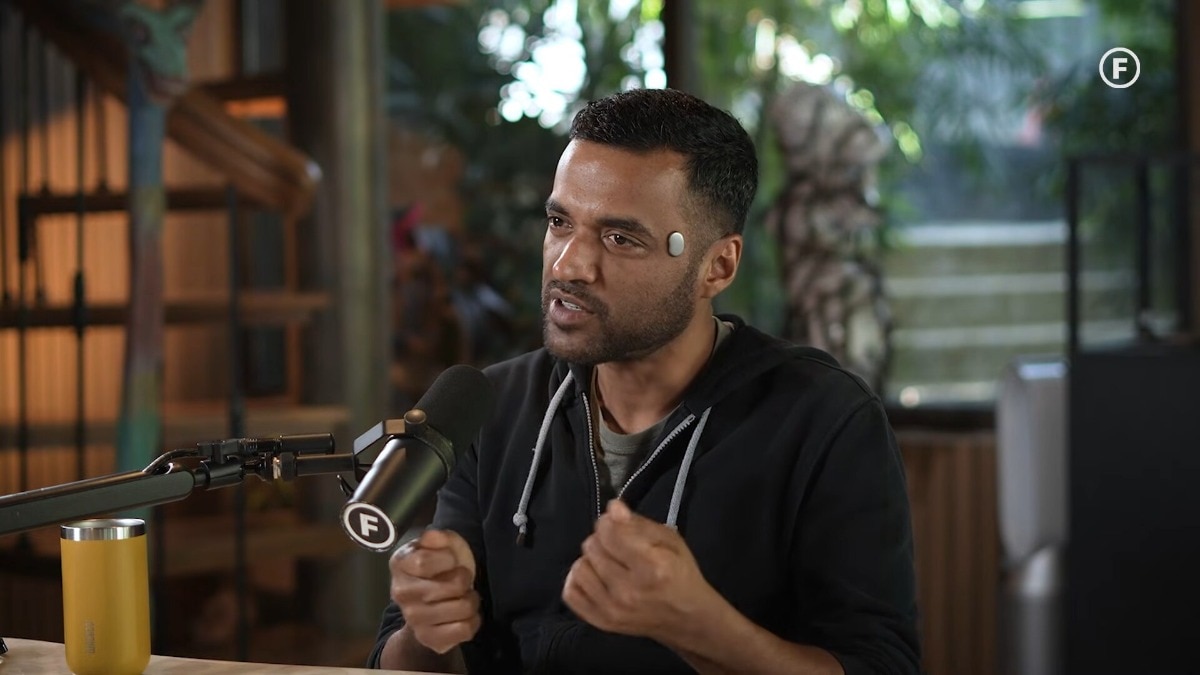
The prototype gained significant public attention when Goyal showcased it while guesting on entrepreneur Raj Shamani’s renowned YouTube series Figuring Out, which sparked widespread curiosity and scrutiny across digital platforms.
Temple is engineered to assess brain health by monitoring cerebral blood flow (CBF) in real time, a metric that indicates the efficiency of blood circulation within the brain. This data holds the potential to unveil new understanding related to ageing, cognition and long-term neurological performance.
The device closely aligns with Goyal’s concept of the Gravity Ageing Hypothesis, a theory proposing that gravity gradually causes blood to pool downward in the body over time, which hinders circulation towards the brain. Based on this hypothesis, diminished blood flow may be a contributing factor to accelerated biological ageing and cognitive decline.
Temple is designed to continuously assess these circulation trends, which could facilitate innovative methods for preventive brain health surveillance.
Scepticism amidst excitement
The increasing visibility of the project has also drawn criticism from medical professionals and researchers, many of whom have raised concerns about the absence of published clinical validation for the underlying science.
However, Goyal clarified on X that, “We haven’t made any public commercial announcements about Temple yet. We haven’t released any official device benchmarking data.”
He mentioned that the research is still in progress and indicated that it may take months before the company considers bringing the wearable to the public.