


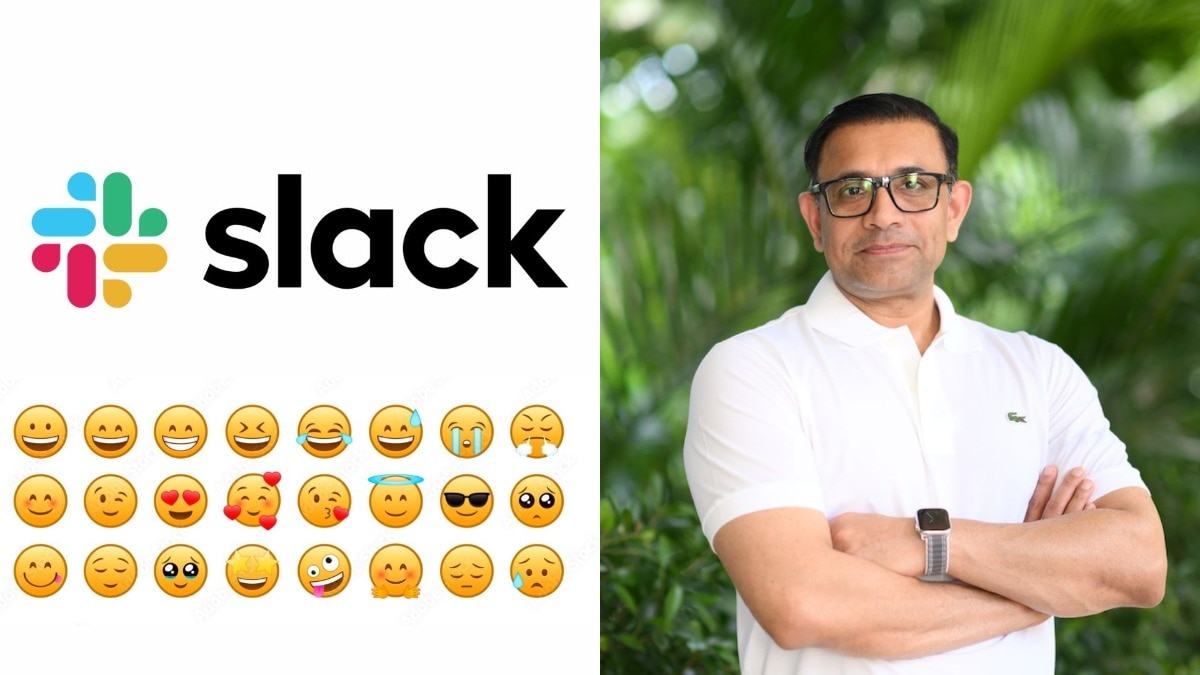
Emojis Transforming Workplace Communication in India
Emojis have become a powerful tool in the modern Indian workplace, especially in an age characterised by remote collaboration and excessive digital content. These symbols are no longer just playful additions to casual messages but have evolved into an essential part of professional interaction in a nation marked by linguistic diversity and generational differences.
Emojis as the New Digital Body Language
According to Himanshu Rajpal, Regional Sales Director at Salesforce India, the rise of digital communication has significantly altered the way teams convey subtleties. As employees increasingly communicate asynchronously, emojis fill the gap left by tone of voice and facial expressions.
Rajpal mentioned that in today’s text-driven workplace, emojis serve as the new digital body language. He explained that as more employees, particularly those who are digital natives, communicate asynchronously, emojis help convey tone, nuance, and emotional context that traditional texts often miss. They act like a quick nod or a friendly smile, allowing individuals to express intentions promptly without overwhelming their messages.
This clarity is essential in an environment inundated with meetings and information overload. Rajpal noted that emojis cut through confusion, clarify intent, and reduce the need for repetitive exchanges.
Bridging Generational and Hierarchical Divides
The workplaces in India often mix traditional values with rapidly changing digital practices. Rajpal states that emojis have emerged as a cultural equaliser.
He observed that emojis bridge generational and hierarchical gaps in Indian organisations. In a culture that values politeness and indirect communication, emojis soften potentially blunt or transactional messages, making them more approachable. For instance, what may seem curt as a simple ‘Done’ in plain text becomes warmer and more collaborative with a checkmark or smile emoji.
By using emojis wisely, leaders create a welcoming atmosphere that encourages younger employees to participate more openly, fostering an inclusive environment where everyone is comfortable sharing their ideas.
Professionalism Versus Informality: Finding the Balance
Many managers often ask how to use emojis while maintaining professional boundaries. Rajpal suggests a strategic rather than a restrictive approach.
He explained that achieving the right balance involves understanding the subtle yet powerful language emojis represent and incorporating them wisely, rather than limiting their use. Leaders can set the example by using emojis to celebrate successes, show empathy, or offer positive reinforcement, while reserving formal language for critical feedback or sensitive topics.
Simple examples include a thumbs-up to acknowledge a task’s completion or a rocket emoji to support a new project. The goal is to enhance communication without compromising professionalism, creating an emotionally intelligent dialogue.
The Distinctively Indian Twist on Emoji Use
In India, the cultural context adds a unique flavour to emoji usage. Rajpal indicated that employees often use emojis in ways that reflect the Indian trait of ‘Jugaad’, meaning clever improvisation.
He noted that emojis capture the essence of this concept in communication. A laughing emoji shared after a joke builds camaraderie that formal language struggles to achieve. Additionally, a celebration emoji used to recognise a colleague’s accomplishment offers an instant public show of support, lifting team morale.
These practices merge modern communication methods with the intrinsic Indian values of warmth and community.
A Friendlier, Clearer Future for Workplace Engagement
Looking forward, Rajpal envisions emojis playing an increasingly vital role in workplace communication, especially for younger employees in digital-first settings.
He highlighted that emojis serve as an essential tool for fostering and maintaining relationships in an environment where nearly half of Gen Z employees report time wasted on deciphering ambiguous messages, as per a joint report by BCG and Snap Inc.
Platforms like Slack enhance this influence, providing features such as emoji reactions and custom icons to strengthen internal culture. Examples vary from personalised approval emojis to light bulb icons for sharing innovative ideas.
Rajpal remarked that emojis are the pixels creating a richer, more human narrative in professional interactions. The future landscape of workplace communication in India is not just about speed; it promises to be friendlier, clearer, and more enjoyable, with emojis paving the way.
As businesses adapt to hybrid work environments and generational transitions, emojis have moved beyond mere novelty and emerged as crucial tools that elevate clarity, foster human connection, and promote a collective spirit.