


Challenges and Opportunities for Indian Entrepreneurs in Digital Advertising
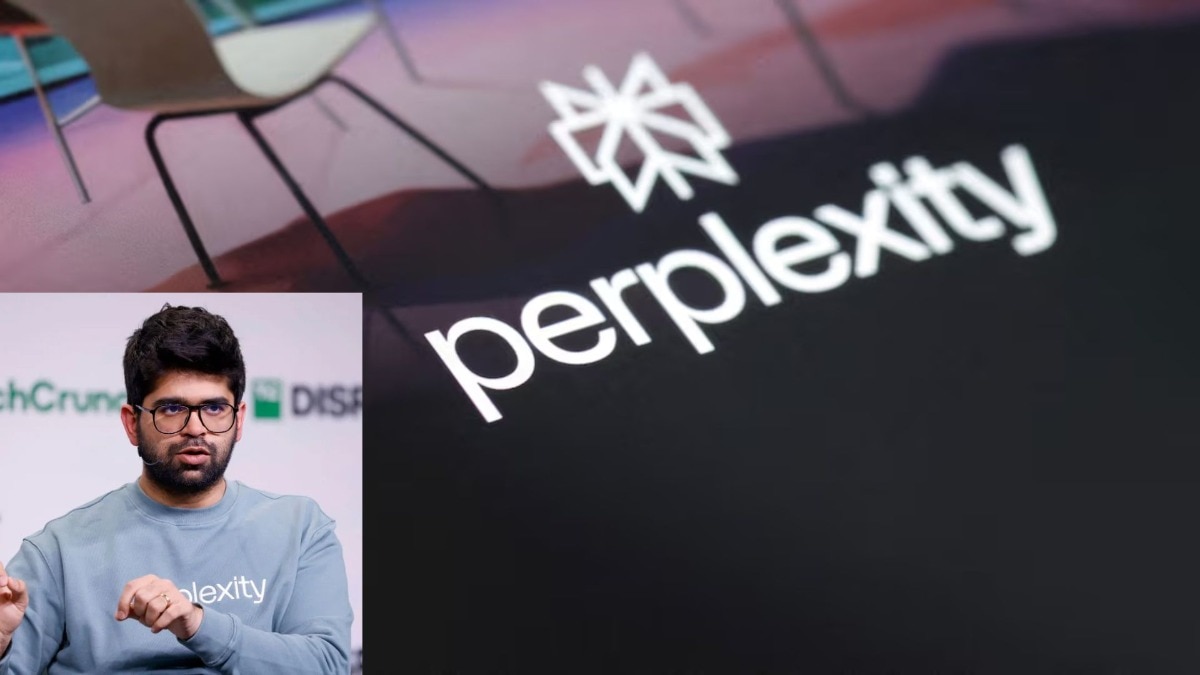
Aravind Srinivas, the CEO of Perplexity AI, has recently expressed his admiration for the audacity shown by Indian companies ready to confront major tech players like Instagram and WhatsApp. During a podcast featuring Nikhil Kamath, co-founder and investor at Zerodha, Srinivas discussed the possibilities for Indian innovators to stake their claim in the digital advertising space, which is largely run by Meta and Google.
His remarks were in response to Kamath’s question regarding the capacity of young Indian entrepreneurs to shake up the digital ad sector and access a portion of the revenue currently secured by the leading firms based in Silicon Valley. Srinivas noted that Perplexity AI is pursuing opportunities in this field, despite facing doubt from critics who regard attempting to rival Google as unwise.
Srinivas mentioned that there is a significant opportunity if Indian companies can develop superior targeting methods compared to those of Instagram, particularly for the Indian audience they intend to reach. He stressed that a robust alternative must present a clear incentive for users to engage and share content on their platform.
Recent statistics from the Registrar of Companies (RoC) indicate that Google India’s gross advertising revenue for FY23 rose by 12.49% to Rs 28,040 crore year-on-year (YoY). Services such as Google Search, YouTube, and Chrome have solidified Google’s lead in India’s digital advertising landscape.
Meanwhile, firms like AstroTalk continue to allocate considerable portions of their advertising budgets to Meta and Google, with around 50% of their spending directed towards Meta platforms (primarily Instagram and Facebook), about 35% towards Google and YouTube, and the remaining 15% towards influencer and celebrity endorsements.
With rising concerns regarding data privacy and security, smaller firms often find it challenging to establish effective consent mechanisms. Srinivas believes this gives well-established giants like Google and Meta a competitive edge, as they possess extensive data resources, creating a substantial barrier for newcomers.
To address these challenges, various companies are experimenting with consent models such as third-party tokenisation and tapping into existing systems like DigiLocker or APAAR ID. However, these approaches are still under development and not yet foolproof.
The software and network-based service sectors play a crucial role in India’s larger Digital India initiative. With ongoing government support for education and the development of a skilled workforce, the enthusiasm for technological advancements remains robust.
According to Statista, Instagram has approximately 229.5 million users in India, while YouTube leads with around 462 million users. These figures highlight a vast potential audience for any new player equipped with the right technology and targeting strategies.