


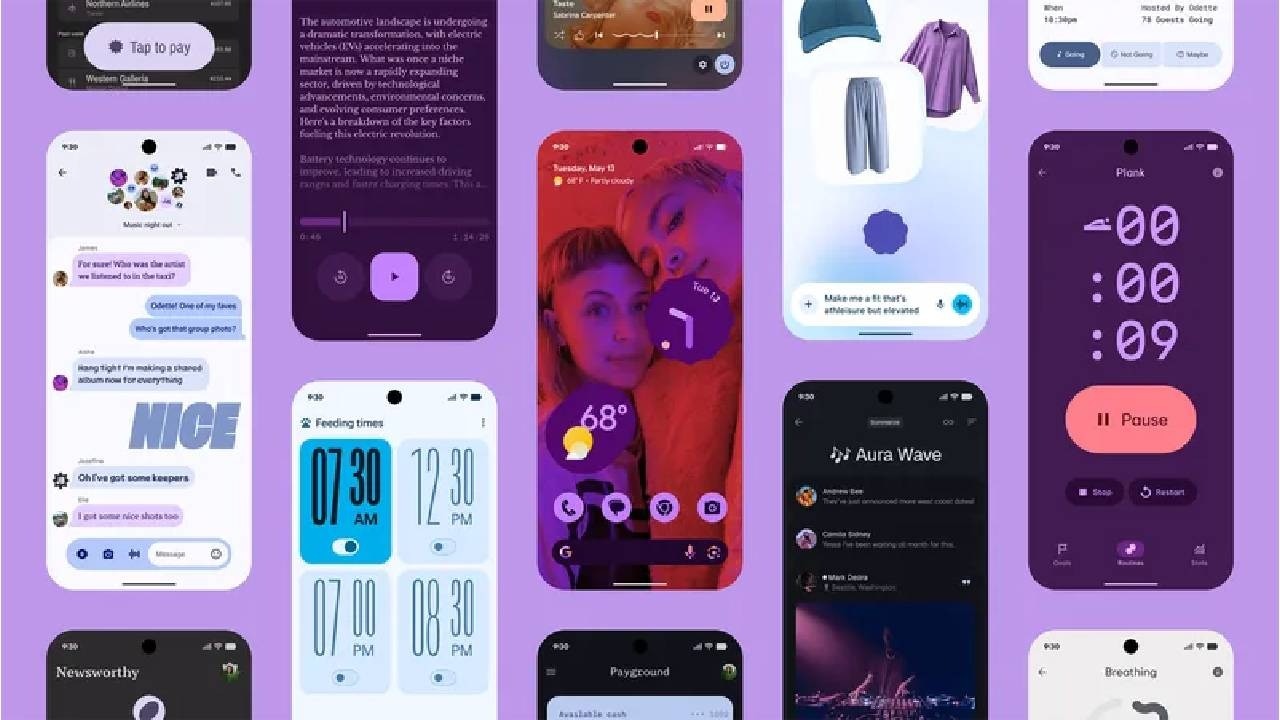
Material 3 Expressive: The New Standard in Android Design
Google has formally revealed Material 3 Expressive, the newest advancement in its Material Design framework, ahead of the anticipated Android 16 launch later this year. This update was showcased during the Android Show virtual event on 13 May 2025, enhancing the “Material You” aesthetics first introduced in Android 12, where personalisation and vibrancy aim to enrich the user experience on Android devices.
You can watch the full Android event streamed by Google here.
Customisation with Dynamic Colours
Material 3 Expressive employs dynamic colour extraction to create custom themes based on your wallpaper. This process samples prominent shades from the lock screen background and applies them throughout system and app interfaces, ensuring that each device reflects individual style. Google’s design team believes this degree of personalisation will deepen users’ emotional connection to their devices.
Typography Enhancements
There have been significant upgrades in typography. Five primary type styles—Display, Headline, Title, Body, and Label—now seamlessly adapt to various screen sizes and contexts, ensuring readability without compromising on style. Developers have the flexibility to select from different corner shapes, ranging from sharp rectangles to rounded forms, allowing UI components to express distinct tones: circular buttons convey friendliness, while squared cards add a touch of formality.
Redesigned Key Components
Important Android components have been updated for a cleaner look. Navigation bars are positioned higher on the screen and have eliminated drop shadows for a sleeker appearance. Floating action buttons now feature boxier shapes in various sizes. Cards come in elevated, filled, and outlined versions, providing designers with innovative methods to structure content hierarchies. Increased padding and more prominent headlines in dialogues enhance scan-ability for prompts.
Live Updates Enhancement
Android’s equivalent to Apple’s Live Activities, known as Live Updates, has been improved. Applications like food-delivery and navigation services can now pin ongoing activities to the lock screen, always-on display, and notification shade, complete with custom icons and interactive progress milestones, ensuring that users stay informed about real-time events.
Aiming for a Younger Audience
With its focus on attracting younger users, Material 3 Expressive features vibrant purples, pinks, and blues, complemented by abstract designs and lively animations. This energetic colour palette seeks to bridge aesthetic gaps with iOS and enhance Android’s allure among Gen Z.
Developer Support and Resources
To facilitate the adoption of this new design language, Google is refreshing its developer toolkit. The Material Theme Builder plugin for Android Studio has been updated, Figma design kits now incorporate the new colour, typography, and shape libraries, and comprehensive codelabs and migration guides are accessible on the Android Developers site. These tools aim to simplify the experimentation and implementation of expressive themes without extensive redesigns.
Launch and Wider Compatibility
Material 3 Expressive will first roll out in the Android 16 Beta, which is set for release for Pixel devices in June 2025, with a broader rollout to other manufacturers anticipated later in the year. Wear OS 6 will also receive aligned visual updates, establishing a cohesive look across both smartphones and smartwatches.
Focused on Usability Improvements
While primarily an aesthetic transformation, Material 3 Expressive aims to enhance usability by effectively directing attention through colour and motion, as well as improving task completion rates and user satisfaction. As Android devices evolve, spanning from foldables to automotive displays, this personalisation-first strategy is set to define the next chapter of Android’s visual identity.