


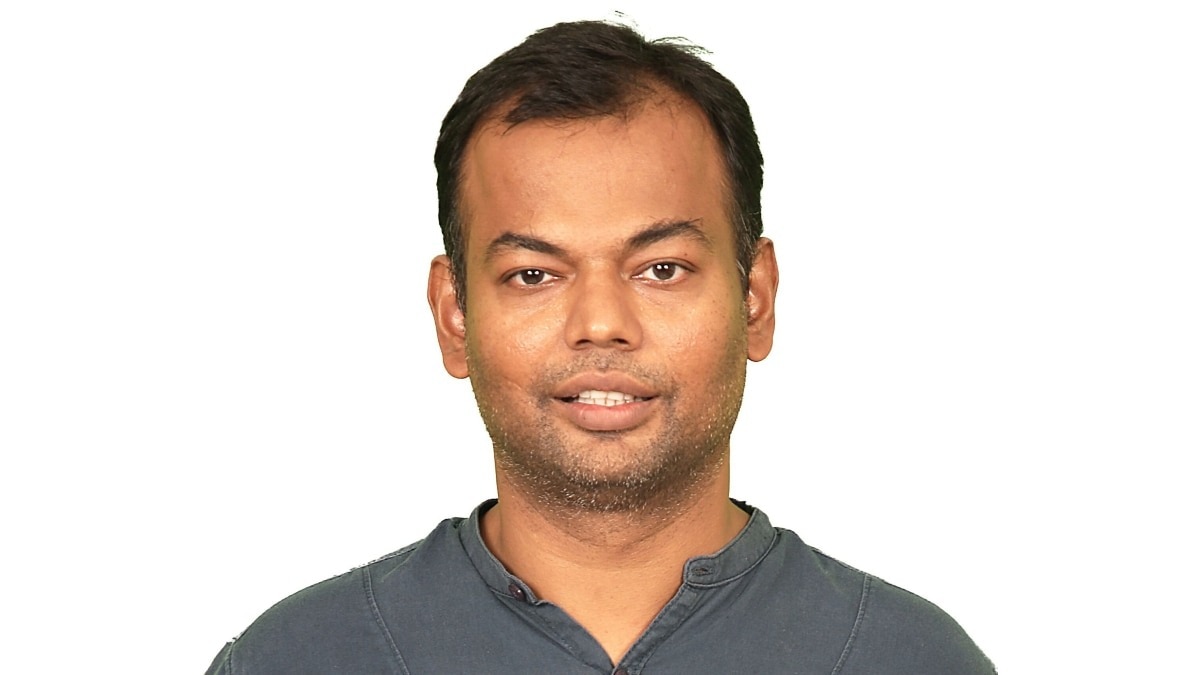
Mitesh Khapra: Influencing AI Accessibility in India
When TIME magazine released its list of the 100 most influential individuals in artificial intelligence, notable figures like Elon Musk and Sam Altman featured prominently. However, among the global leaders in industry and research, one name resonated for its significance: Mitesh Khapra, an associate professor at IIT Madras.
Transforming AI from Academia to National Impact
For Khapra, this acknowledgement goes beyond fame or commercial triumph. He is not at the helm of a billion-dollar AI startup nor leading a technological empire. His influence is rooted in a clear objective: to ensure AI is available to India’s 1.4 billion citizens, in their native languages.
At IIT Madras, where he conducts courses in the Department of Computer Science and Engineering, Khapra has emerged as a driving force in the evolution of AI education, research, and application. His contributions to natural language processing and machine learning have educated countless students, many now occupying significant positions in top AI firms across the globe.
Perhaps his most significant impact is through AI4Bharat, the initiative he co-founded in 2019. AI4Bharat aims to compile and construct open-source datasets and tools that empower AI systems to comprehend and utilise Indian languages. Beneath its straightforward premise lies a monumental task: collecting speech data from numerous districts, standardising this information, and making it available for researchers and companies to access without charge.
This undertaking has not only diminished India’s reliance on English-dominant AI models but has also opened doors for students, engineers, and startups to develop technologies rooted in the nation’s linguistic richness.
The Foundation of India’s Language Initiative
The influence of AI4Bharat reaches well beyond the confines of IIT. It has become an essential component of the Indian Government’s Bhashini mission, an ambitious endeavour aimed at providing digital services in Indian languages through AI. A significant portion of the data powering Bhashini is sourced directly from AI4Bharat.
Khapra has consistently maintained that even if global technology giants utilise these datasets to enhance their AI models in languages like Hindi, Marathi, or Tamil, India stands to gain. His emphasis is upon accessibility rather than ownership, ensuring that the advantages of the AI revolution are not exclusive to English-speaking individuals.
Global Recognition and Its Importance
TIME’s editors characterised Khapra as an individual whose contributions “reshape his nation’s academic research” in the realm of AI. For a nation often lauded for its software exports yet critiqued for its deficiencies in original research, this acknowledgment holds substantial significance.
Being included in TIME’s list transcends personal achievement for Khapra. It embodies a larger transformation: India’s increasing role in the global AI arena, not by mimicking Silicon Valley, but by addressing challenges peculiar to its populace.
Khapra’s narrative illustrates that influence in AI does not invariably arise from unicorn startups or eye-watering valuations. At times, it originates from open-source initiatives, datasets developed district by district, and a commitment to ensuring that the future of AI communicates in every language.