


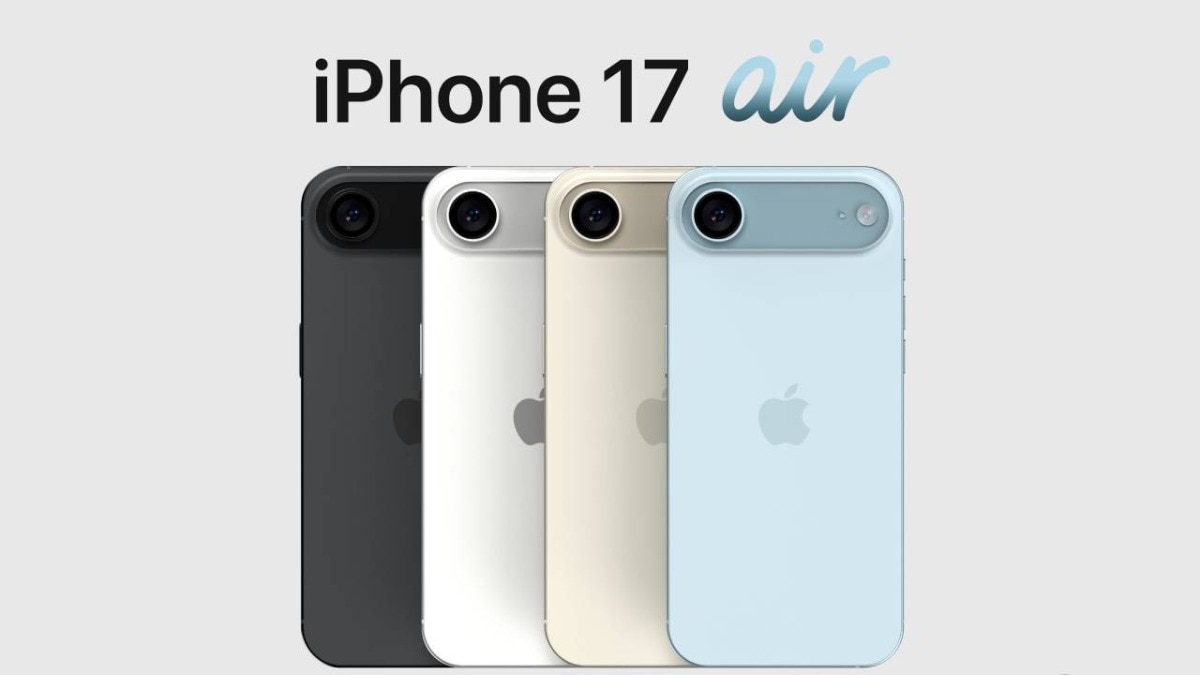
iPhone 17 Air to Revolutionise Mobile Connectivity
The iPhone 17 Air is poised to revolutionise mobile connectivity as it is rumoured to be the first ever iPhone released without a physical SIM card slot globally. Reports suggest this significant change will be unveiled during Apple’s “Awe Dropping” event scheduled for September 9, where the entire iPhone 17 range will be presented.
e-SIM Training for Retail Staff
In preparation for the launch, Apple has mandated retail personnel at Authorised Resellers across the EU to undergo compulsory e-SIM training by September 5. Although this training is specific to the region, the ultra-slim design of the iPhone 17 Air, speculated to be a mere 5.5mm thick, makes the removal of the SIM tray a likely necessity on a global scale.
Evolution of e-SIM Technology
Apple initially introduced e-SIM-only models with the iPhone 14 in the United States, highlighting the technology’s security advantages; digital SIMs cannot be easily removed if a device falls into the wrong hands. As e-SIM adoption grows in international markets, the iPhone 17 Air could represent Apple’s initial move towards a comprehensive global rollout.
Exciting Features of the iPhone 17 Air
In terms of features, the iPhone 17 Air is set to include a 6.6-inch ProMotion OLED display boasting a 120Hz refresh rate. It will also feature a single 48MP rear camera housed in a pill-shaped module and a 24MP front-facing camera. Weighing in at less than 150 grams, it is anticipated to be Apple’s lightest and thinnest iPhone to date; however, this sleek design may mean a smaller battery capacity compared to other models in the series.
Future Prospects for e-SIM Adoption
It is currently uncertain whether the e-SIM only strategy will be exclusive to the iPhone 17 Air or be adopted by the Pro and Pro Max variants as well. Regardless, this device could pave the way for Apple’s transition towards an entirely digital future in mobile connectivity.