


Control Content Rights with OpenAI’s Sora
OpenAI, the organisation that developed ChatGPT, is rolling out innovative features that enable content rights owners to manage how their characters are utilised in the AI video generation application, Sora. Additionally, the company aims to implement a revenue-sharing system for creators who permit the use of their intellectual property.
Granular Control for Rights Holders
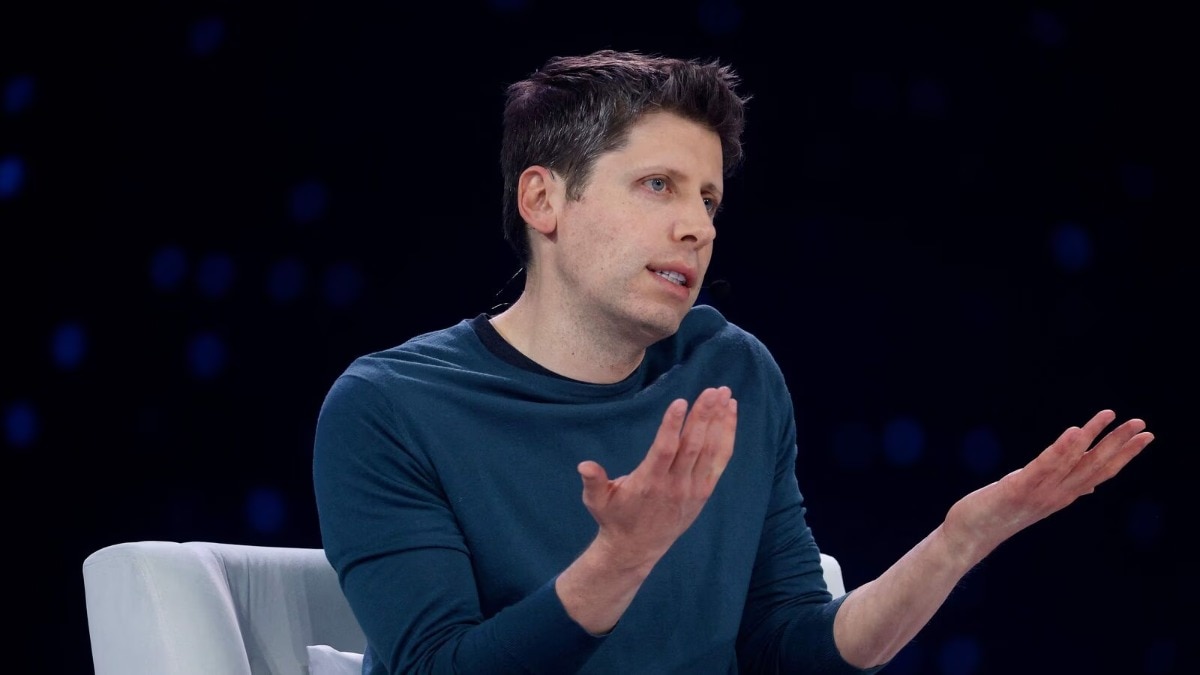
Chief Executive Sam Altman mentioned in a recent blog post that these advanced tools will offer rights holders enhanced management capabilities regarding character creation. Copyright owners, which include film and television studios, will have the option to prevent their characters from being featured in AI-produced content.
Launch of Sora in North America
The introduction of Sora this week, initially targeting users in the United States and Canada, empowers individuals to craft videos lasting up to 10 seconds. The application has quickly gained traction, enabling users to produce AI videos that can include copyrighted elements and share them through social media platforms.
New Revenue-Sharing Model
Altman stressed that the new revenue-sharing initiative will be applicable to copyright holders who allow the use of their characters. He noted that users are generating video content at a significantly higher rate than anticipated, frequently catering to niche audiences, underscoring the need for monetisation opportunities.
He recognised that establishing the revenue-sharing framework may require some experimentation, but OpenAI intends to evaluate multiple strategies within Sora prior to adopting a standard model across its broader product range.
Industry Reactions and Future Outlook
This policy is expected to ignite discussions within Hollywood, where several major studios, including Disney, have reportedly chosen to opt out of showcasing their content in the app, according to sources privy to the situation.
OpenAI, supported by Microsoft, first made a version of Sora available to the public last year, enhancing its foothold in multimodal AI tools and competing with similar video-generation services from Meta and Alphabet’s Google. Recently, Meta launched Vibes, a feature that allows users to create and share short-form AI videos.