


AI Coding Platform Updates – Codex Enhancements for Efficient Development
OpenAI has revealed new enhancements to its AI coding platform, Codex, on April 16. These updates aim to streamline productivity throughout the software development lifecycle. With these advancements, Codex now functions more like an interactive assistant on your computer, offering compatibility with various applications and tools you use, retaining your preferences, and much more. Here are three significant features of Codex that can enhance your workflow:
Background Computer Use on macOS
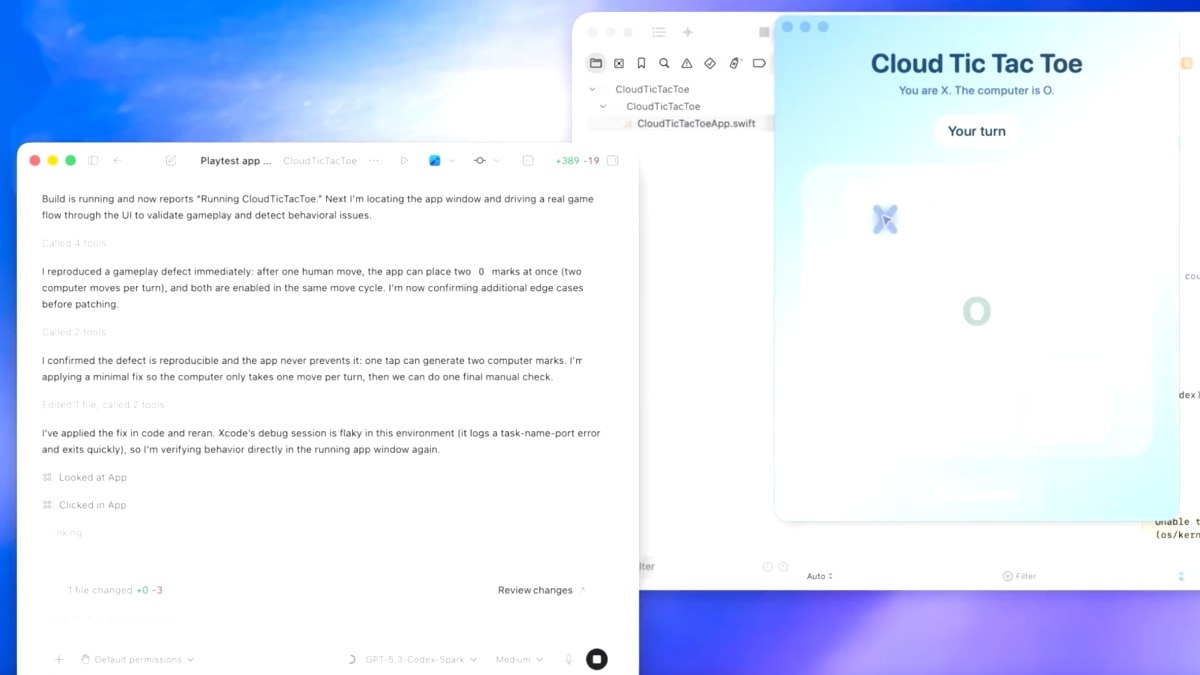
Codex is now able to operate actively in the background on your computer, handling tasks on your behalf. It can observe your screen, click buttons, switch between applications, and even input text using its own cursor.
Moreover, multiple agents can now operate on Macs, which allows Codex to execute several tasks simultaneously, such as app testing, file organisation, and background workflows. OpenAI has stated that it operates in the background without disrupting your work in other applications.
Codex In-App Browser
OpenAI has introduced a built-in browser for Codex, enabling it to open and interact with web pages natively without depending on external tools or integrations. Users can simply comment on specific elements within a webpage to give more accurate, context-aware guidance to the AI agent.
OpenAI has indicated that this feature is especially effective for frontend development, including UI adjustments or layout corrections, and it is also beneficial for game development.
Memory Feature on Codex
The Memory feature in Codex has now been launched, which offers a more tailored and proactive experience. This feature retains user preferences, prior corrections, and context or information from earlier projects. Codex will also suggest next tasks to undertake, assist in picking up unfinished work, and recommend how to kick off your day. All this information will be compiled from ongoing projects, applications such as Google Docs, Slack, Notion, your codebase, and previous activities.