


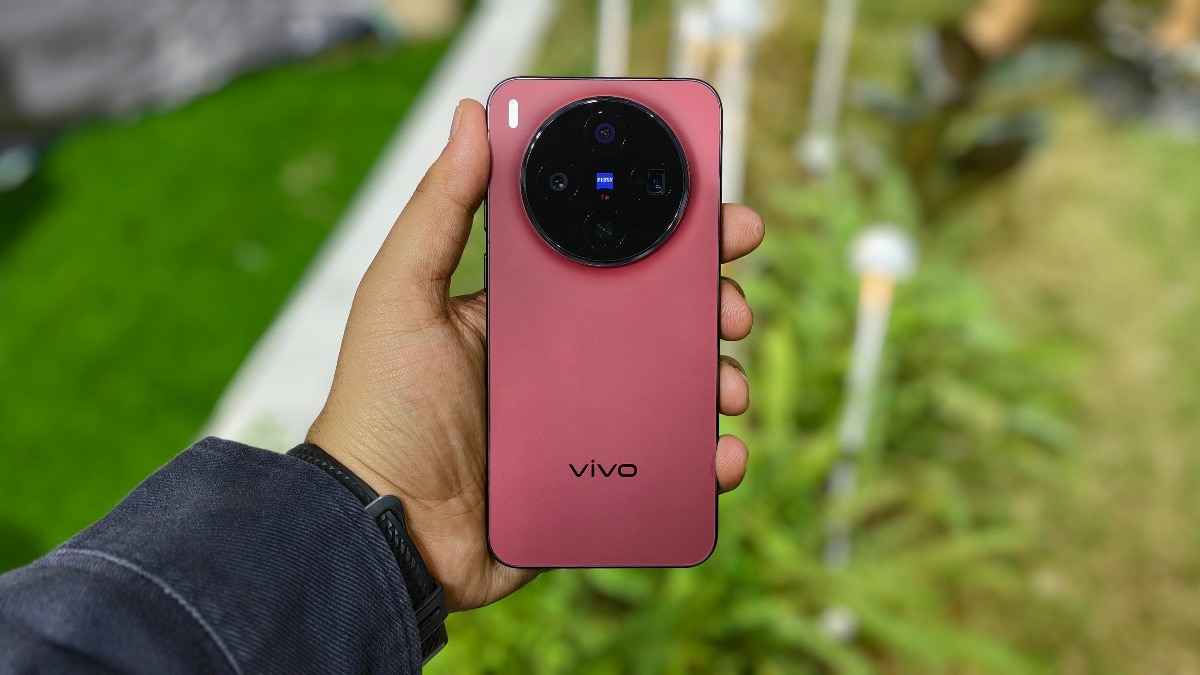
Vivo X300: The Compact Powerhouse for Photography Enthusiasts
In an age where smartphones are becoming increasingly larger, Vivo has taken a bold step. The Vivo X300 emerges as a compact powerhouse, offering flagship specifications without sacrificing performance, effectively merging the larger X series with the ‘Mini’ variant.
Nevertheless, the X300 is not merely a smaller variant of its Pro counterpart; rather, it stands out as an imaging device intended for those seeking DSLR-quality photography that fits easily into a pocket. With that in mind, is there more to this device than just a remarkable camera? Has it compromised other features to achieve this?
Explore the answers in our review of the Vivo X300.
Display & Design
The first thing that stands out about the Vivo X300 is its ergonomic design. Weighing just 190g and measuring 7.95mm thick, it feels extremely light and easy to handle. The back features a premium, soft-touch finish that is resistant to fingerprints, while the 3D unibody design ensures a secure and comfortable grip without digging into the hand. The phone is available in three colours: ‘Summit Red’, ‘Elite Black’, and ‘Mist Blue’, with the ‘Mist Blue’ variant being particularly appealing.
On the front, you will find a 6.31-inch 8T LTPO AMOLED display. Boasting a 1.5K resolution and a peak brightness of 4,500 nits, the screen remains easily readable even under direct sunlight. The sleek 1.05mm symmetrical bezels contribute to an edge-to-edge appearance, allowing for an immersive experience during movies and gaming. It serves as an excellent example of creating a compact flagship that doesn’t compromise on functionality.
Camera: The ZEISS Revolution
The essence of the X300 lies in its camera setup, co-developed with ZEISS. This collaboration has matured to a level where the results are consistently stunning, making one reconsider how they managed without such an exceptional camera system. The focus is on the impressive 200MP ZEISS main camera (Samsung HPB sensor), equipped with a fast f/1.68 aperture, and what differentiates the X300 is its ability to capture quick moments reliably.
While many smartphones struggle with focus or motion blur, the X300 excels. Thanks to advanced imaging algorithms and the dedicated V3+ chip, even photographs taken in haste or from a moving vehicle are surprisingly sharp.
The ZEISS APO Telephoto lens (50MP) is equally remarkable, featuring 3x optical zoom and a macro mode that captures intricate details. The colour quality and detail were so impressive that several portraits were printed and framed, appearing indistinguishable from professional studio images.
Here are some samples:
Vivo X300 Camera Samples
Performance
The power behind the X300 is the MediaTek Dimensity 9500 chipset, built on a 3nm process. Coupled with up to 16GB of LPDDR5X Ultra RAM and UFS 4.1 storage, the device operates smoothly across various tasks.
Testing the device with demanding graphics-intensive games like Genshin Impact and COD Mobile on the highest settings revealed no stutters or lag; there were no frame drops whatsoever.
MediaTek has crafted one of its finest chips for this smartphone, and the outcomes demonstrate this fact. The Dimensity 9500 is indeed a premier flagship chipset.
Another noteworthy achievement of this device is its impressive thermal management. Despite its compact design, Vivo has managed to keep the device cool during prolonged gaming sessions. There are no significant drawbacks; this smartphone performs at a top-tier level, competing effectively with any flagship available today.
Battery
Upon initially unpacking the device, the general expectation was that a smaller battery would be fitted within due to its compact size, which might not last long. However, the X300 exceeded expectations with a 6,040mAh battery, consistently providing more than a day’s worth of usage.
The charging speed is impressive. With a 90W wired charger included, the phone can be topped up in under 30 minutes. The 40W wireless charging capability is a luxury rarely found in devices of this size. On an average day filled with photography, videography, and social media usage, it was common to end the day with 30% to 40% of battery remaining, often extending usage into the next day.
UI & Software
The software experience is propelled by OriginOS 6 (based on Android 16). Previously, Vivo’s software was a point of criticism, but OriginOS 6 offers a smooth and visually appealing experience. The new “Origin Island” feature enhances notifications, and the overall animations are fluid and effortlessly responsive.
Vivo has also pledged five years of software updates, ensuring that the X300 remains relevant and secure over time. The inclusion of an ultrasonic fingerprint sensor (functional even with wet fingers) adds a layer of convenience, complementing the premium integration of software and hardware.
Final Thoughts
The Vivo X300 stands out as a compelling flagship option for photography enthusiasts who wish to avoid the bulk of traditional cameras. It effectively bridges the divide between professional-grade camera capabilities and mobile convenience. After utilizing the device for almost two months, it can be confidently stated that there are no compromises with this smartphone.
For those in search of a phone that delivers DSLR-quality images, remains smooth under heavy loads, looks stunning, and includes an upgraded, seamless UI, the X300, priced at Rs 75,999, undeniably stands in a league of its own.