


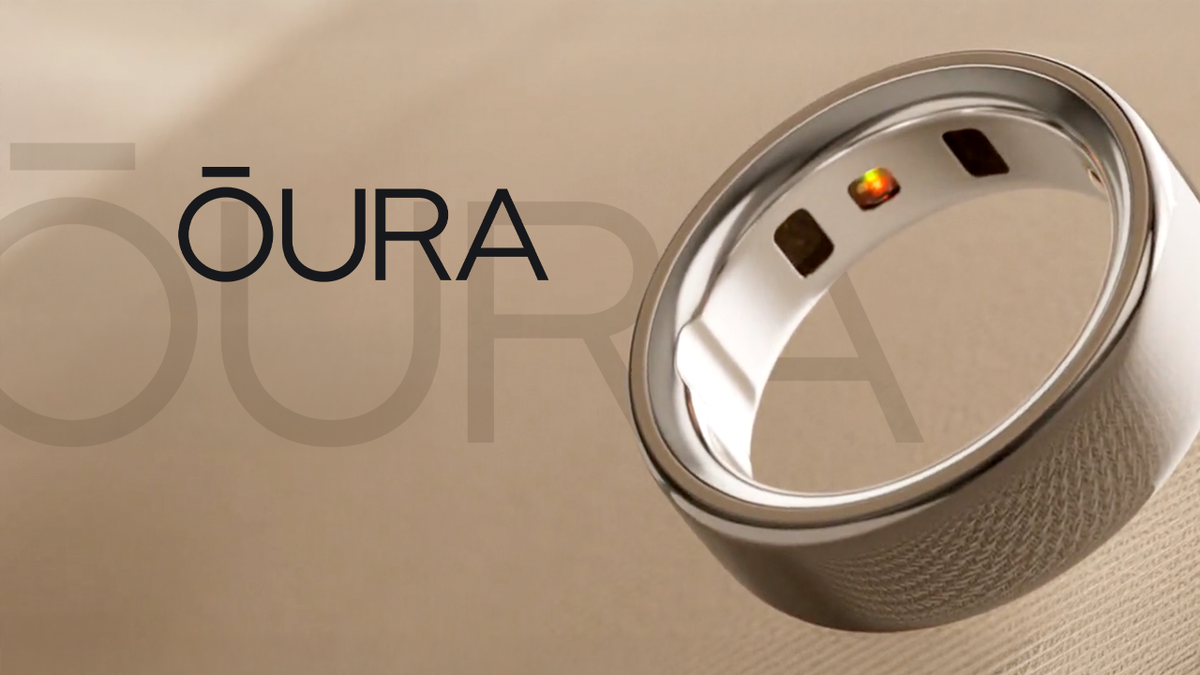
Oura Health, the innovative smart ring maker, is currently facing a lawsuit filed by its former CEO Harpreet Singh Rai in a California federal court. Rai claims wrongful termination and breach of contract, stating that the company dismissed him to sidestep granting him equity valued in the millions. This legal action arrives at a time when Oura is contending with numerous other legal conflicts globally.
Oura Health is entangled in disputes with Ultrahuman in both the United States and India, while also being sued by past promoters and initial investors earlier this July. The complaint reveals that Rai was assured a 5% ownership stake contingent upon raising €10 million, approximately $11.55 million. He contends he attained this target yet was unjustly terminated before fully receiving the stock options.
Rai’s relationship with Oura began as a customer before he got involved with the company. Established in 2015 via a Kickstarter campaign, the company saw Rai meeting founder Kari Kivela in a Whole Foods in New York in 2016. Following their encounter, he invested $1 million during Oura’s Series A fundraising round, subsequently introducing additional investors including future board member David Shuman.
In 2017, Rai stepped into Oura as president, starting off as an independent contractor with an annual compensation of £100,000 and approximately 5% equity. By 2018, he ascended to CEO, guiding the company through significant fundraising efforts, including a $5 million round in 2018 and a $28 million Series B round in 2019. His employment contract stipulated that his equity was to revert to 5% after the Series B round, with a vesting period of 42 months. Rai asserts that the board reassured him that the grant would proceed.
According to the lawsuit, during 2021, as his initial options neared full vesting, board chair Eurie Kim suggested lowering his stake to 3%, with future boosts linked to valuations of $5 billion and $10 billion. A few weeks post Oura’s launch of its third-generation ring in October 2021, Rai states that he was ousted from the company despite not resigning.
Rai is pursuing equity compensation amounting to millions alongside $225,000 in severance. His attorney, Eric Rosen from Dynamis LLP, remarked that Rai was pivotal to Oura’s advancement. Recently, Rai took up a new position at Loop, a health and insurance startup based in Mumbai, as President of the Healthcare vertical.
In May, Oura publicly claimed that Ultrahuman had copied its smart ring design and patents, which resulted in a US directive prohibiting Ultrahuman rings from entering the market. In response, Ultrahuman has initiated a lawsuit in Delhi, arguing that Oura replicated its sensor technology and health features.
Additionally, several prominent endorsers of Oura, including Drew Brees, Peter Attia, and marketer Gordy Bal, contend that the firm promised them stock options for their investment, advisory roles, or promotional services, only to later deny these commitments. They argue that the CEO of Oura authorised these arrangements, yet the company later contended that the board had never approved the option grants, making them void. Consequently, these conflicts have intensified into a series of overlapping lawsuits and arbitration proceedings.