


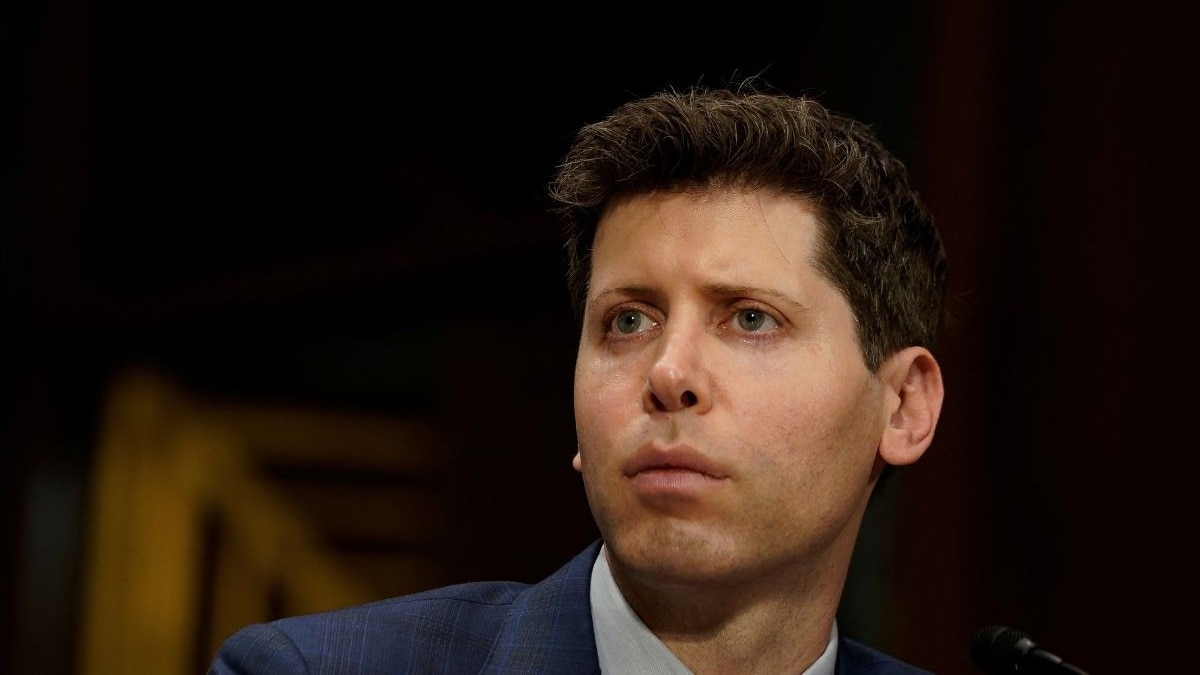
The realm of artificial intelligence has reached an unmissable milestone in computing history. The moment when machines began to converse indistinguishably from humans has seemingly gone unnoticed by many, yet this evolution signifies a profound change. According to Sam Altman, CEO of OpenAI, this shift is merely the beginning of a future in which artificial intelligence not only mimics human conversation but also emulates human thought and discovery.
Altman pointed out that the general perception of AI often revolves around chatbots and improved search engines. However, he noted that we now possess systems capable of surpassing even the brightest human minds in some of our most complex intellectual tasks.
From Chatbots to Discovery Engines
AI’s development has progressed from executing brief human tasks to managing challenges that previously required hours of effort — and soon may extend to days or even weeks. The dramatic decline in the costs associated with intelligence, estimated at 40 times lower annually, is catalysing this transformation.
By the year 2026, OpenAI anticipates the emergence of systems capable of making minor scientific discoveries, with major breakthroughs expected by 2028. Altman acknowledged the uncertainty surrounding systems capable of achieving tasks that might take humans centuries to complete, hinting at a significant cognitive advancement on the horizon.
Society’s Co-evolution with AI
Despite the rapid advancements in AI technology, Altman is confident that daily life will maintain a relatively stable trajectory. He remarked that society tends to find ways to evolve alongside technology. The patterns in how people live tend to persist even with more advanced tools at their disposal.
Altman envisions AI as a transformative force that could lead to abundance, transforming sectors such as healthcare, climate modelling, and education, while also redefining employment and economic structures. He suggested that the essential socioeconomic contract may need reevaluation, stressing that in an era of widely distributed abundance, life could become significantly more fulfilling.
Safety, Oversight and the Need for ‘AI Building Codes’
OpenAI’s strategy, as emphasised by Altman, is grounded in the notion that safety fosters empowerment. He argued that while the benefits could be extensive, the potential risks associated with superintelligent systems could be disastrous. The company advocates for shared safety protocols among leading AI labs, similar to established building codes or fire safety regulations.
Altman proposed essential principles for responsibly navigating the future of AI, including:
- Shared standards and transparency among leading AI labs.
- Public oversight in proportion to AI’s capabilities.
- An ecosystem for AI resilience, akin to internet cybersecurity frameworks.
- Ongoing impact assessments by both laboratories and governmental bodies.
- Empowerment of individuals, ensuring they can use AI on their own terms.
Building a Resilient AI Future
As AI approaches the threshold of superintelligence, Altman argued that collaboration between nations and leading developers will be crucial. He highlighted the necessity of coordinated efforts to prevent threats such as bioterrorism, effectively manage self-improving systems, and ensure accountability to public institutions.
He stated that accountability should be a primary focus but recognised that the path to achieving it might differ from previous approaches.
Ultimately, Altman perceives AI as a fundamental utility, comparable to electricity and clean water, which should be both widely accessible and aligned with human objectives. He expressed that the primary goal should be empowering individuals to successfully reach their aspirations.