


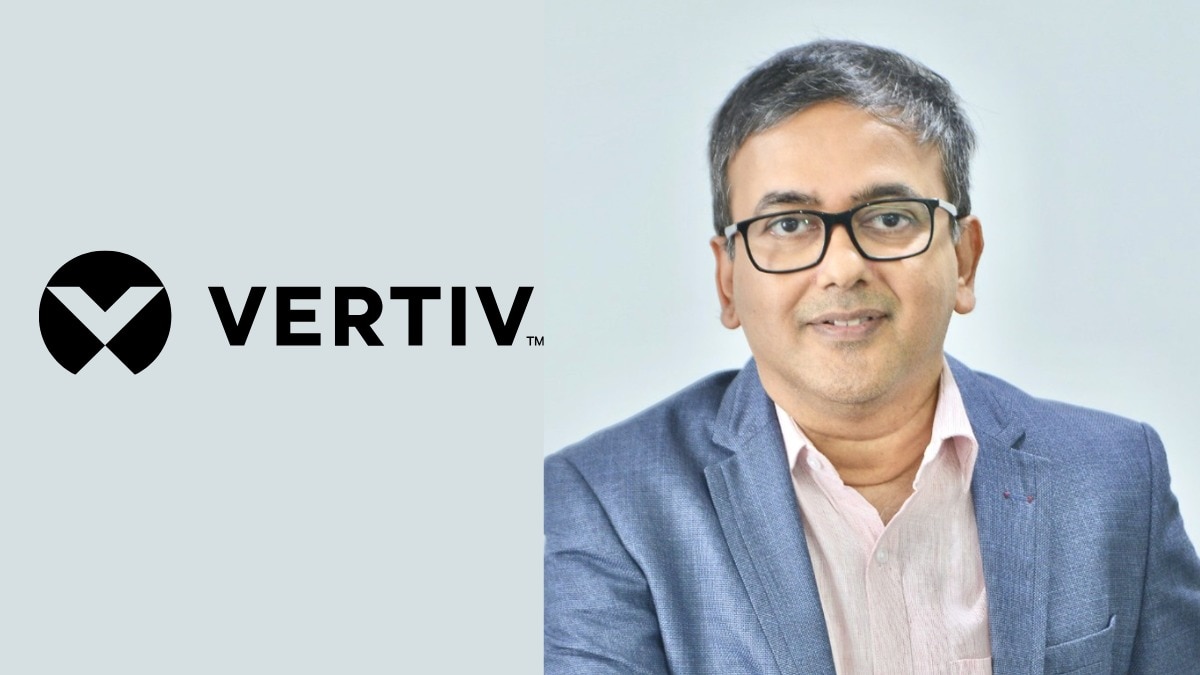
India’s Data Centre Expansion Powered by Vertiv
India’s data centre expansion is set to thrive, as Vertiv, a prominent player in critical infrastructure, identifies the country as a pivotal contributor in the global AI landscape. Subhasis Majumdar, the Managing Director at Vertiv India, has stated that the nation possesses a significant advantage in power availability.
Majumdar remarked that the power situation in India is favourable, which plays a crucial role in enabling data centre growth across the country.
Renewable Energy and Its Impact
Highlighting India’s swift progress in renewable energy, Majumdar asserted that renewable sources like solar and wind energy are instrumental. He noted that there is a noticeable increase in renewable capacity, positioning India significantly in this area.
Even though power constraints are a universal challenge for data centres, Vertiv is optimistic that India can mitigate these issues through strategic geographical distribution. Majumdar commented that decentralising data centre infrastructure throughout the country can substantially ease power challenges.
Vertiv’s Role in AI Infrastructure
As a company, Vertiv plays a critical role in the development of infrastructure, actively participating in the expansion of the market. They are heavily engaged in constructing data centres for various enterprises, providing essential power management, cooling, and other crucial systems necessary for their operation.
Majumdar emphasised their commitment to achieving results, stating that Vertiv has a significant presence in India, featuring robust engineering and manufacturing expertise. He pointed out that technology available in the United States is also accessible in India.
Furthermore, the company is positioning itself as a long-standing ally in the journey toward advancing India’s AI infrastructure. Majumdar asserted that Vertiv is well-prepared to accommodate the growing demands of AI workloads in India.
The Revolution of Rack Density
Majumdar also underscored the evolution in data centre rack design, noting that conventional racks operated at around 10–15 kW. Currently, however, AI workloads are driving rack densities above 100 kW. Vertiv predicts that future systems may approach megawatt-scale racks as AI infrastructures develop, fundamentally altering data centre design and cooling methods.
In response, Vertiv is focusing on liquid cooling technologies as a vital solution for regulating energy consumption. Majumdar explained that liquid cooling technology is essential for reducing energy usage, particularly lowering the Power Usage Effectiveness (PUE), a key metric for energy efficiency in data centres.
Additionally, Vertiv is implementing various monitoring and optimisation tools to enhance energy efficiency and forecast consumption trends.
Majumdar conveyed that by optimising liquid flow to chips through innovative measures, it is possible to maximise overall energy efficiency.
Finally, Majumdar confirmed that Vertiv is investing in both manufacturing and engineering to meet current demands and effectively support the development of data centres.