


3nm Chip Manufacturing in India: A Vision for the Future
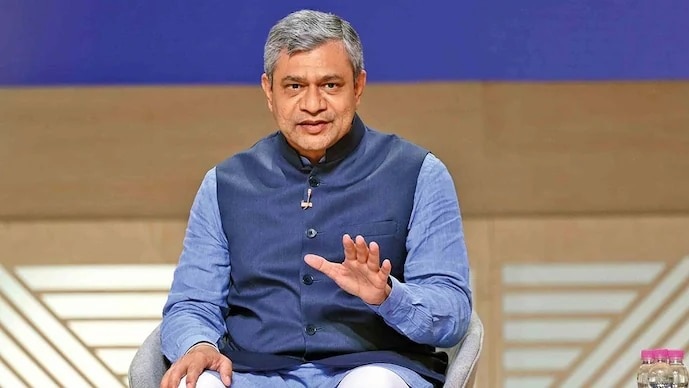
Union IT and Electronics Minister Ashwini Vaishnaw announced on January 27 that the Indian government is targeting the production of 3-nanometre (3nm) chips, advanced processing components essential for today’s smartphones and high-performance computers, within the upcoming decade.
India’s Ambitious Plan
While India has established itself as a key player in chip design, this new initiative aims to excel in the intricate manufacturing processes needed to produce these advanced components domestically by 2032.
Design-Linked Incentive Scheme
The strategy is rooted in the second phase of the Design-Linked Incentive (DLI) Scheme. This programme is intended to provide Indian companies with greater technological independence, aiming for a 70–75% domestic control over the technology integrated into various products.
Transitioning to a Global Producer
By encouraging local expertise, the government seeks to shift India’s role from being a consumer of high-end technology to becoming a significant global producer. Following discussions with 24 chip design firms under the DLI scheme, Vaishnaw shared insights on the timeline.
The minister was quoted as explaining the goals for 2032: “The target for 2032 is to reach 3-nanometre chip manufacturing and design. Design, of course, we are doing even today. But manufacturing — we should reach 3-nanometre.”
Core Chip Categories
To sustain this growth effectively, the government has pinpointed six primary chip categories that will be prioritised: compute, radio frequency (RF), networking, power, sensors, and memory. These categories serve as the essential components for almost every contemporary electronic application.
Milestones for 2029
The roadmap includes an interim objective for 2029. By this year, the government anticipates that India will possess strong capabilities in both chip design and manufacturing, fulfilling a large proportion of national needs.
Collaboration Between Academia and Industry
Vaishnaw emphasised the necessity for teamwork between academia and industry to meet these objectives. “Compute, RF, networking, power, sensor, and memory — we will encourage academia and industry to come up with new ideas, new thoughts and new solutions in these six major categories. As we go into 2029, we will have a significant capability for manufacturing and designing chips essential for approximately 70–75% of all applications in our country,” he noted.
Building a Self-Sufficient Ecosystem
The minister remarked that by concentrating on these six critical systems, India can create a self-sufficient ecosystem where industry and academia collaborate to develop innovative solutions. Every sector, from telecommunications to automotive, depends on a unique combination of these chip types.