


Dementia Crisis in Japan
Japan, renowned for its rapidly ageing demographic, is currently grappling with a significant social issue: a growing dementia crisis combined with a critical lack of caregivers. To address this situation, the country is progressively embracing advanced technology, employing various AI tools and robotic aids to assist both patients and the already overwhelmed care system.
The Scale of the Dementia Challenge
The extent of the issue is alarming. With nearly 30% of the population aged 65 or older, Japan reported over 18,000 elderly individuals with dementia going missing within a single year, leading to unfortunate outcomes for many who were subsequently found deceased. With expenditures in health and social care related to dementia projected to escalate to 14 trillion yen ($90 billion) by 2030, the government is making a definitive shift towards automated solutions.
Technology for Safety
A primary application of technology is in safety management. Throughout the nation, communities are launching extensive GPS-based tracking systems. Local authorities and caregiving networks are distributing wearable devices that can be attached to shoes or clothing, notifying caregivers instantly when an individual departs a designated safe zone. This initiative has established a modern ‘community safety net’, enabling staff in locations like convenience stores to receive real-time alerts to aid in the swift location of missing persons.
AI for Early Detection
In addition to tracking, AI is being utilised for the early identification of cognitive decline. Systems like Fujitsu’s aiGait employ AI to detect subtle alterations in an individual’s gait and posture, which may signify cognitive deterioration, allowing medical professionals to intervene sooner and potentially assist individuals in maintaining their activity levels for longer periods.
Innovation in Robotics
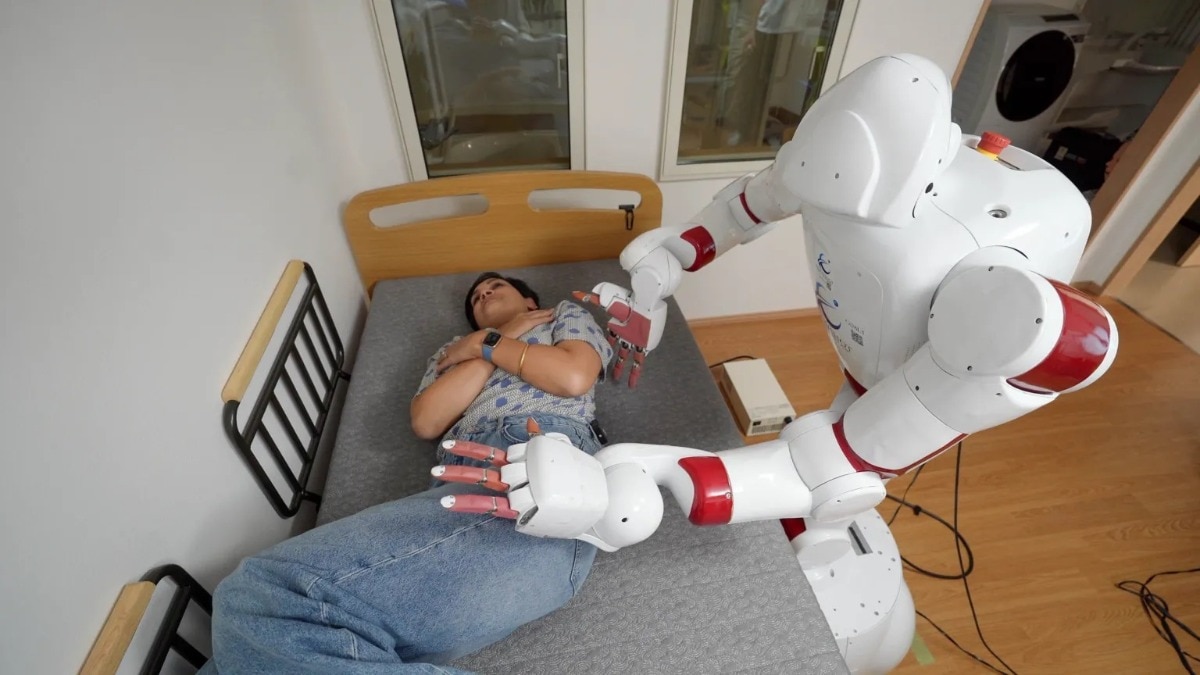
The most prominent technology, however, is the robot. A prototype from Waseda University, known as AIREC, is a 150kg humanoid robot designed for demanding physical tasks. It has been showcased to assist with actions such as rolling a person onto their side, a critical procedure for preventing bedsores, and it can also undertake simple tasks such as folding laundry.
Experts recognise that these sophisticated humanoid robots remain several years away from being widely implemented in care homes and will initially come with a high price tag. It is crucial to note that both researchers and human caregivers emphasize that this technology is meant to complement rather than replace human interaction. While robots can manage routine, time-consuming physical duties and monitoring, the invaluable aspect of human connection and emotional support is vital for the dignity and welfare of individuals living with dementia. Japan’s experience serves as an essential case study for other countries confronting similar demographic challenges.
Dementia in India
India is also experiencing an increase in dementia cases, with approximately 8.8 million individuals over 60 affected by dementia according to recent government reports (2023), and this figure is anticipated to rise to 17 million by 2036. By observing Japan’s advancements, adapting and implementing comparable technologies could prove crucial in addressing this issue domestically.