
Highlights
Fab 52: The Future of Computing in Arizona
Fab 52 marks the beginning of a new era in computing, located in the heart of the Arizona desert. Situated on the outskirts of Phoenix, Intel’s facility appears unremarkable from afar. However, upon closer inspection, one sees how Intel is working to revive its status in the tech industry after facing numerous challenges.
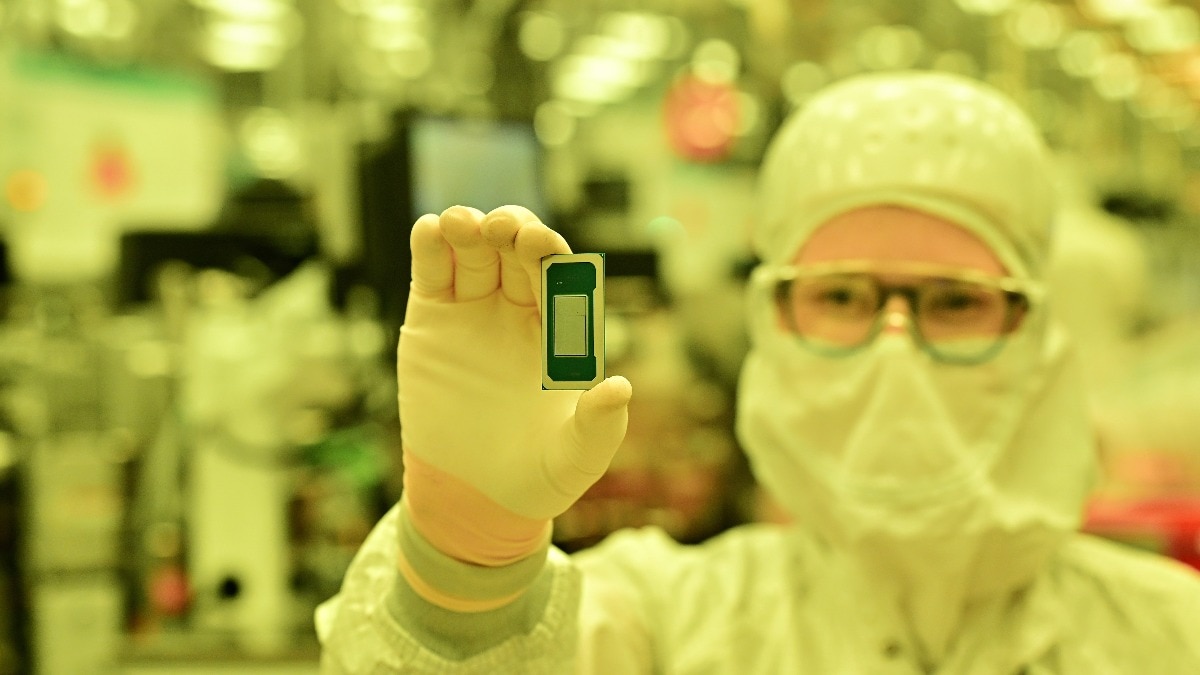
Stepping inside, the atmosphere immediately suggests meticulous engineering. The air is continuously filtered and replaced, ensuring that no dust can settle on a silicon wafer. Just one stray particle could ruin weeks of meticulous work. Visitors must remove all potential contaminants, from fragrances to hair products. After this, they put on a bunny suit, a comprehensive outfit resembling astronaut gear more than typical factory wear.
The silence within the facility is striking. Overhead, robots smoothly navigate along rails, transporting sealed pods of wafers. Engineers tread cautiously around machinery that surpasses the cost of most buildings. The floor is specially designed to reduce vibrations. Every element in this space is controlled, from sounds and movements to air currents.
The Comeback Strategy
Fab 52 forms part of an extensive complex that includes Fab 42 and the evolving Fab 62. Collectively, these facilities represent one of the largest private industrial developments in Arizona’s history. The main objective extends beyond merely producing chips; it aims to restore Intel’s dominance in the semiconductor sector.
Central to this strategy is the new 18A process. This innovative approach will power Intel’s latest processors, notably Panther Lake for laptops and Clearwater Forest for data centres. By implementing RibbonFET transistors and PowerVia power delivery technologies, the company can fit more transistors into less space while reducing power consumption by approximately one-third. Should this process succeed in large-scale production, Intel could reclaim its leading position in the sector. Conversely, should it falter, Fab 52 might stand as an expensive reminder of a lost chance.
An Evolving Industry
For years, Intel set the standard for personal computing. Its chips not only drove the PC boom but also popularised the phrase “Intel Inside” worldwide. However, the industry landscape shifted significantly with the rise of mobile technology, cloud computing, and artificial intelligence. As companies like Nvidia, AMD, and TSMC advanced, Intel lagged due to numerous delays and unmet expectations.
This underscores the significance of Fab 52. The facility commenced limited production earlier this year, aligning with governmental efforts to repatriate chip manufacturing. In the U.S., Intel is crucial to this initiative, as Washington regards it as both an economic strategy and a matter of national security.
The Self-Sufficient Factory
Inside Fab 52, the movement is incessant yet nearly imperceptible. Automated pods, known as FOUPs, seamlessly transport wafers through various stages of production. Every action is meticulously logged and timed, with human intervention remaining minimal until the final stages.
The lithography hall acts as the facility’s central hub. ASML’s massive Twinscan machines use ultraviolet light to project precise patterns onto silicon. Each of these machines costs several hundred million dollars, and Intel has already installed multiple units with more on the way. The air system refreshes the cleanroom environment in under ten seconds, demonstrating the extent of control exercised within the facility.
Silicon, Power, and Pressure
Intel’s ambitions extend well beyond Arizona. The company aims to demonstrate that advanced chip manufacturing can once again flourish in the U.S. The first Panther Lake chips are expected in premium devices next year, with Clearwater Forest processors for data centres to follow in 2026.
The stakes are extraordinarily high. Yield is crucial in this industry; TSMC has invested decades in refining this process. Intel must operate flawlessly, as each misstep could result in significant financial losses.
Amid the Heat
Exiting Fab 52, one is left with not only memories of the machinery but also the ambitions that underpin it all. Each corridor and robotic arm embodies a commitment to the future. Despite past failures, few companies possess the scale or determination to make another attempt.
Within the Arizona heat, surrounded by steel and sand, the belief in a successful comeback resonates. The outcome of this effort will take years to determine. For now, Fab 52 serves as both a manufacturing facility and a powerful symbol, reminding everyone that even cutting-edge technology relies on bold human aspirations.