


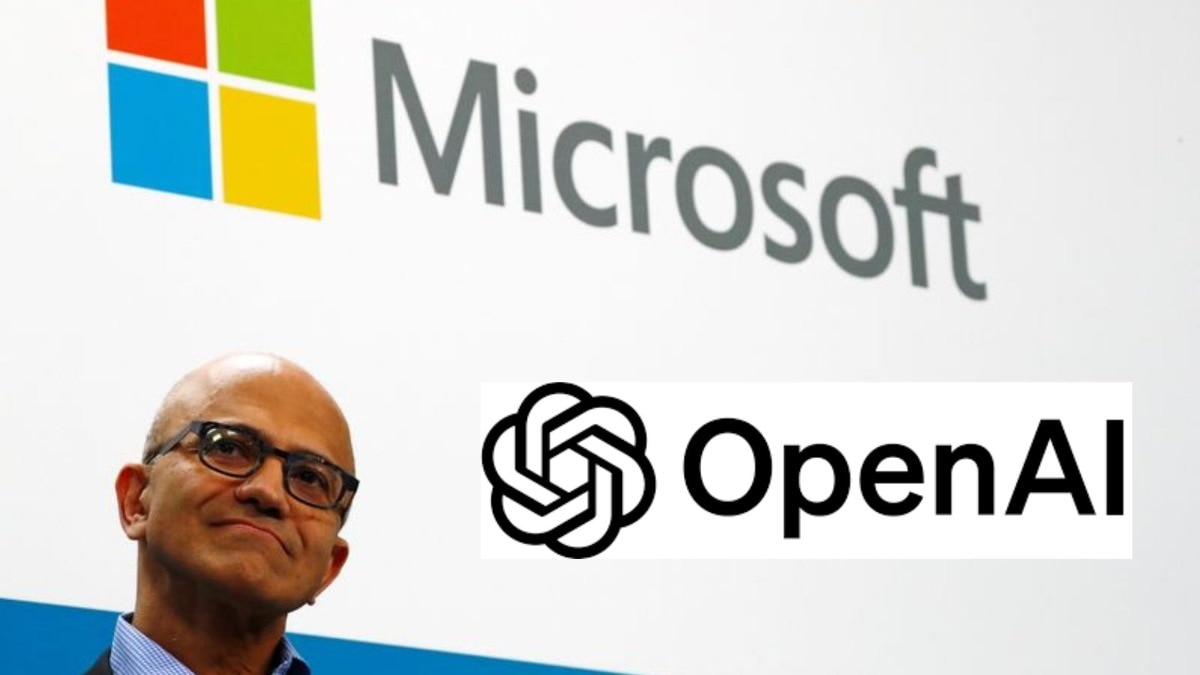
Microsoft AI Models: Enhancing Consumer AI Tools with MAI-Voice-1 and MAI-1-preview
Microsoft AI has made a significant leap by launching its first fully developed homegrown AI models. This development signifies a pivotal step in the company’s artificial intelligence aspirations. The two newly introduced models, MAI-Voice-1 and MAI-1-preview, aim to improve the organisation’s consumer-facing AI tools while lessening its reliance on OpenAI’s technology.
Features of MAI-Voice-1
MAI-Voice-1 is a model dedicated to natural speech generation, capable of creating a minute of audio in less than a second using a single GPU. This model currently empowers features like Copilot Daily, where an AI host narrates news stories and generates podcast-style discussions to clarify intricate topics. Users can explore this model through Copilot Labs, allowing them to customise its voice and speaking style as per their preferences.
Introducing MAI-1-preview
Alongside MAI-Voice-1, the introduction of MAI-1-preview marks another step forward. This text-based foundational model is trained on around 15,000 Nvidia H100 GPUs. Although it is notably smaller compared to competitors such as xAI’s Grok, which employed over 100,000 GPUs, Microsoft asserts that its efficiency-focused strategy prioritises relevant data to minimise computational wastage. Currently, this model is available for public testing on the LMArena benchmarking platform and will soon be integrated into selected Copilot scenarios.
Strategic Direction and Independence
While Microsoft continues to leverage OpenAI’s GPT models, the introduction of these new models is presented as the foundation for a long-term strategy aimed at achieving greater independence. Mustafa Suleyman, the head of Microsoft AI, highlighted the emphasis on developing systems specifically tailored for consumer use rather than enterprise applications. He explained that the company possesses vast amounts of predictive and valuable data from advertising and consumer telemetry, with the objective of creating models that act as effective digital companions.
Future Aspirations for Microsoft AI
Suleyman, who has discussed a prospective “five-year roadmap” for Microsoft AI, articulated the necessity for model training to be efficient and financially viable to ensure sustainability. This comes in light of the escalating concerns regarding an AI investment bubble and the increasing costs associated with development.
Looking forward, Microsoft professes “big ambitions” that extend beyond simply developing larger models. The company envisions orchestrating a suite of specialised systems aimed at addressing varied user needs and contexts. Microsoft believes this multi-model strategy will unlock long-term value and solidify its position in the next stage of AI evolution.