


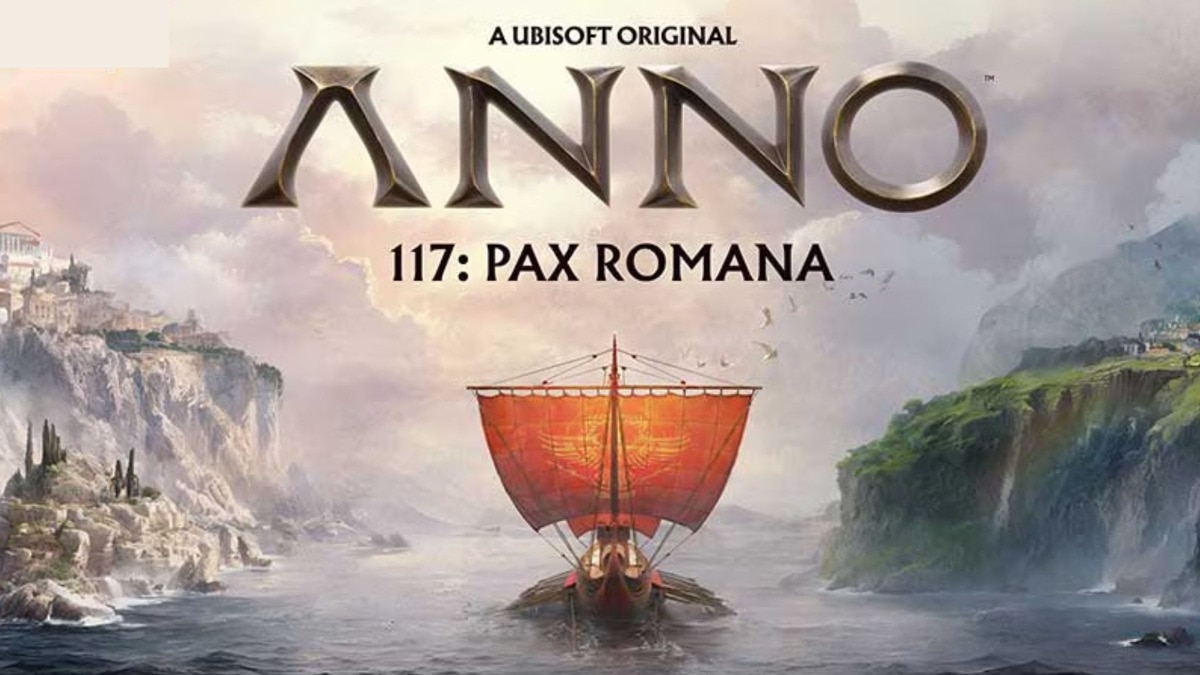
The sun ascends over Latium, casting its glow across the terracotta roofs and lively market streets. Fishermen haul in their catch at the docks, merchants negotiate prices beneath colourful awnings, and freed citizens amble along the meticulously paved pathways that have undergone hours of enhancement. This marks the moment where Anno 117: Pax Romana truly resonates. After years of struggling with previous titles, especially during the less appealing 2205 period, this entry feels like an enthusiastic invitation rather than a daunting task. The experience is stunning, complex, and at times overwhelming, yet it consistently rewards attention.
Ubisoft’s enduring city-building franchise returns in its most ambitious historical period. Rome during its imperial glory sets the stage for political intrigue, trading empires, cultural dynamics, and naval conflicts. Anno 117 encapsulates these factors with impressive clarity, transforming each gameplay session into a rewarding lesson in logistics and community pride.
This game requires patience but offers significant returns when all elements synchronise perfectly.
Highlights
The Rhythm of an Empire
At its core, Anno 117 adheres to the familiar cycle that long-time fans appreciate. The initial phase involves constructing simple homes for the liberti, a freed population that conveniently overlooks the extensive reliance on slavery within Roman society. As their fundamental needs are satisfied, they ascend the social hierarchy, eventually becoming patricians who seek luxuries such as olive oil, amphorae, imported cheese, and other exquisite items.
Progression hinges on satisfying consumption needs, but physical space is also crucial. Higher-class citizens are attracted to prestigious structures like theatres, temples, and public forums, while smoke-emitting charcoal burners and industrial sites negatively impact property values. This leads to a city that naturally stratifies itself without interference, where market streets evolve into wealthy districts, and outskirts are filled with bustling workshops, fisheries, and farms.
This results in an organic sense of locale that many city builders aspire to but seldom achieve. The satisfaction of paving roads is palpable; one upgrade can extend a theatre’s influence across neighbourhoods, enhancing homes’ prosperity in real-time.
Focusing in reinforces immersion. Citizens dressed in flowing togas roam through public squares, musicians perform on corners, and lavender fields sway gently in the breeze. Latium feels like a dynamic postcard. The only visual hiccup occurs in character cutscenes, where the stiff animations and poor lip sync seem outdated.
Across the Sea to Albion
Soon enough, your Roman aspirations expand beyond the warmth of Italy. Ships voyage into the fog-covered cliffs of Albion, an area rich with its own culture, economy, and identity. There was initial concern that Ubisoft might resort to clichéd Celtic mysticism, but Albion is portrayed with respect and authenticity. The true challenge lies in administration: should local traditions be honoured or should Romanisation be imposed?
The choice you make alters your economy. Maintaining Celtic allegiance yields thematic bonuses, while opting for Romanisation introduces new building efficiencies. Blending both approaches results in fascinating hybrid systems, embodying the essence of the game’s cultural narrative.
Where Trade Becomes Theatre
Trade has always been a hallmark of the Anno series, but in 117, it reaches an artistic level. Fulfilling the needs of patricians often necessitates connecting supply chains across multiple islands. Your cheese may come from a distant settlement, while olives are sourced from Latium, and amphora clay is gathered from a small riverside village. Assigning ships to various trade routes allows you to observe them navigating across the map in a delicate dance of commerce.
There was a tendency to micro-manage routes not out of obligation but out of enjoyment. The cheese island was inconveniently distant from urban centres, prompting the creation of a small waystation colony nearby. This settlement transformed into a dedicated cheese storage facility with fisheries to keep locals satisfied. Instead of enduring protracted journeys, ships swiftly moved between points like a streamlined delivery service.
This became a logistics challenge with immense benefits. The moment patricians levelled up following an efficient delivery chain, it felt like crafting a flourishing empire instead of just managing numbers on a spreadsheet.
War at Sea and Land
Anno 117 transcends the notion of a tranquil city builder; it subtly reveals itself to be a competent real-time strategy game. Naval encounters in particular stand out. The contrast between oar-driven and sail-powered vessels is distinctly felt. Battles hinge on positioning, wind dynamics, and precise manoeuvres. The first occasion of trapping a pirate ship in a narrow inlet, cutting off all escape routes, was exhilarating for the individual controlling the fleet.
Land battles are less impressive but serve their purpose effectively. A balanced combination of melee, ranged, and siege units results in satisfying skirmishes when necessary. A notable advantage is that ground conflict can often be bypassed entirely if naval power is robust enough. Anno 117 grants players the liberty to avoid aspects they find less enjoyable.
A Shrewd Emperor and a Simple Diplomacy Layer
Diplomacy is functional rather than intricate, featuring a notable twist. The Emperor interacts differently than other factions, as negotiation is not an option. Instead, he issues demands, and responses shape your reputation with Rome. Accepting requests yields benefits, while defiance unveils paths towards rebellion.
Both extremes culminate in considerable rewards, be it attaining the status of Consul with imperial approval or claiming Proconsular authority, all while raising an eyebrow at Caesar.
The system is uncomplicated but adds flavour, aligning well with the overarching theme.
Campaign: A Warm Up, Not a Main Course
The narrative campaign serves primarily as an extended tutorial. Players can choose between Marcus or Marcia, with Marcia’s path embracing dark humour through a political ruse involving her supposedly deceased husband. While enjoyable, the format is brief, typically clearing in under ten hours, merely hinting at the deeper gameplay available in the primary sandbox mode.
Endless mode is where the true essence of the game resides. Beginning in either Latium or Albion allows players to select difficulty, adversaries, and governor personalities, each presenting unique challenges and alliances.
When the Empire Wobbles
The classic pitfalls of Anno remain present. Large economic systems can collapse if one essential resource is disrupted. A food shortage can result in population decline, leading to fewer workers to produce food, further exacerbating the situation. While clever trade orders occasionally provide salvation, there are moments when the mathematics of empire becomes overwhelming.
A particularly memorable incident arose when a change in the city’s patron deity caused the immediate loss of a vital agricultural advantage. Within minutes, a thriving hub transformed into a financial catastrophe, leading to a swift restart.
While the experience can be harsh, this tension invigorates the gameplay.
Verdict
Anno 117: Pax Romana stands as a remarkable achievement in terms of atmosphere and systems, a city-building title that honours both history and player engagement. Its trade mechanics are exceptional, and naval combat is genuinely thrilling. The cities appear vibrant, colourful, and deeply personal. Despite the occasional economic spiral and a lacklustre campaign, the endless mode offers a creative haven with virtually limitless possibilities.
For those who struggled with previous entries, this may be the breakthrough they have been seeking. Anno 117 is not flawless, but it is generous, thoughtful, and irresistibly captivating. The empire built within its confines feels distinctly personal, and witnessing its success is truly spectacular.