


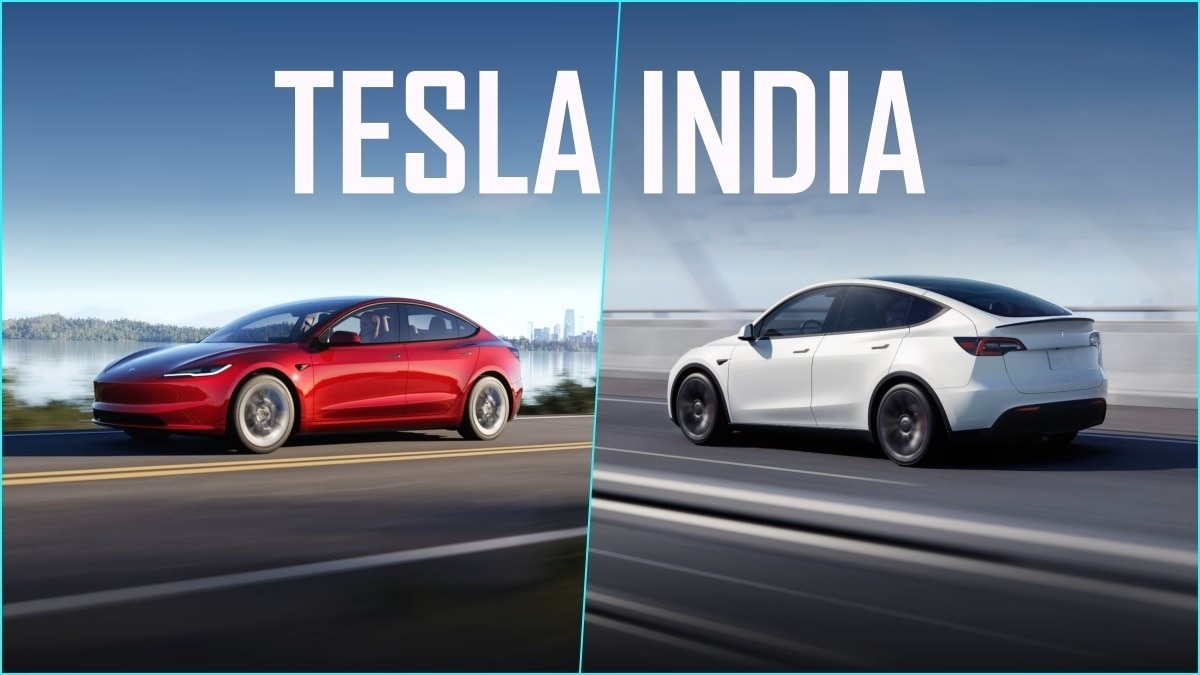
Tesla’s Entry into India: Experience Centre Launch in Mumbai
Tesla has begun its important journey into the Indian market with the inauguration of its inaugural experience centre in Mumbai on July 15. This facility, situated at the Bandra Kurla Complex, signifies the official start of Tesla’s operations in India. This milestone points towards Tesla’s strong desire to tap into the rapidly growing Indian electric vehicle (EV) sector.
Vehicle Imports as a Strategic Move
Commercial shipping data from January to June indicates that Tesla has brought a variety of vehicles, Superchargers, and accessories into India, predominantly sourced from China and the United States. Notably, six units of the Model Y were included among these imports; five units are valued at $32,500 each, while a long-range model is priced at $46,000.
Even with India imposing substantial import tariffs of about 70%, Tesla is continuing with its strategy amid production surpluses and decreasing demand in other key markets. This decision reflects Tesla’s determination to establish a presence in India, in spite of the hurdles created by elevated tariffs and complex logistics. The company’s approach to prioritising imports at this phase displays an assessment of market conditions and consumer tastes, potentially influencing future manufacturing choices.
Focus on Imports Over Local Manufacturing
At this stage, Tesla’s strategy appears to be cautious regarding local manufacturing in India. Although the Indian government has been advocating for the establishment of production plants within the country, Tesla has not yet made such commitments. The firm is seemingly dedicated to presenting imported models to the Indian market. This careful approach might form part of Tesla’s larger strategy to gauge market responses before making significant manufacturing investments. Previously, Elon Musk had cancelled a planned trip to India—where he was anticipated to announce major investments—adding context to Tesla’s current import-centric strategy.
Government Policies and Operational Framework
The Indian government has actively created policies to promote local EV production. Concurrently, Tesla has been assembling its operational structure within the country by recruiting for roles in sales, service, and store management, and is also hiring for positions linked to supply chain and autonomous driving technologies. Former U.S. President Donald Trump commented that if Tesla established a plant in India to circumvent U.S. tariffs, it would be considered ‘unfair’ to the United States, which adds an international perspective to Tesla’s strategic evaluations as it considers both global and local interests.
Positioning Within the Indian Electric Vehicle Market
In the context of the Indian market, Tesla’s initiative to introduce imported models marks a strategic step to position itself within the emerging landscape of electric vehicles. The company’s distinctive advantages and technological innovations are likely to attract Indian consumers, laying the groundwork for potential future growth in the area. Nonetheless, Tesla’s success in India will rely on its ability to navigate regulatory challenges while adjusting to local market dynamics, given that its current emphasis is on generating interest through imported offerings instead of investing in local manufacturing.