


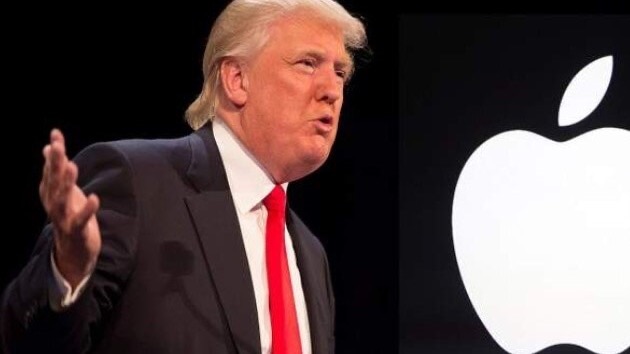
Economic Nationalism: The Case for US Manufacturing by Apple
Economic nationalism is a hot topic, as US President Donald Trump has once again urged Apple to produce iPhones solely within the United States. He asserts that this shift would restore “jobs and factories” that have been lost due to globalisation. However, specialists argue that this notion is fundamentally flawed, suggesting that if it came to fruition, the price of an iPhone could potentially soar to around $3,500 (approximately ₹3 lakh).
Administration’s Position on Domestic Production
In a recent media briefing, White House Press Secretary Karoline Leavitt affirmed that Trump firmly believes the United States possesses the necessary workforce, labour force, and resources for Apple to relocate its operations back home. Leavitt stated that if Apple did not have faith in the US ability to support such a transition, it likely would not have proposed the significant $500 billion investment in the country.
Tariffs and Their Implications
Trump’s advocacy for domestic production coincides with the introduction of steep tariffs by his administration on goods from China, Vietnam, Thailand, India, the EU, and other nations, with tariffs on Chinese products reaching as high as 104% starting this week. He argues that these tariffs would compel corporations like Apple to either absorb the costs or shift their manufacturing operations to the United States.
The Reality of Manufacturing in the US
However, fundamental challenges exist, with many tech analysts dismissing the idea as a “fantasy.” Dan Ives, Global Head of Tech Research at Wedbush Securities, noted in an interview with CNN that establishing a supply chain in the US, complete with manufacturing facilities in locations such as West Virginia and New Jersey, would lead to exorbitant prices for iPhones, potentially reaching $3,500. Ives estimated that shifting just 10% of Apple’s supply chain back to the US could cost the company approximately $30 billion and take three years to implement. The current ecosystem is highly integrated across countries, including China, Taiwan, and South Korea. A comprehensive Apple supplier list reveals that materials, including rare earth elements, are sourced from 79 nations, with many unable to be extracted within the United States.
Skills Gap and Challenges Ahead
In addition to logistical hurdles, there is a significant skills gap to address. Apple CEO Tim Cook highlighted in 2017 that the advanced tooling required for their products is scarce in the US. He expressed doubt about filling a room with tooling engineers in the United States, contrasting it with the abundant availability of such professionals in China. US Secretary of Commerce Howard Lutnick supported this viewpoint, labelling the notion of relocating millions of low-skill assembly roles to the US as unrealistic, given the vast workforce required for intricate iPhone production.
Apple’s Manufacturing History
Apple has previously explored domestic manufacturing, most notably with the assembly of the Mac Pro in Texas during Trump’s initial term. However, that initiative encountered significant setbacks, including delays, budget overruns, and a lack of skilled labour. Currently, it is reported that the company is allocating part of its US investment to produce servers for its private cloud systems rather than consumer products like the iPhone.
Responses to the Tariffs and Future Projections
While Apple has not publicly addressed the latest round of tariffs, it is reportedly stockpiling iPhones and increasing exports from India. Reports indicate that five planeloads of iPhones were flown from India to mitigate any potential cost increases.
Predictions regarding the cost of a US-manufactured iPhone vary widely. MIT previously estimated an increase of $100 to $200, but more recent analyses from Ives and Counterpoint Research indicate price surges between 30% and 300%, depending on the extent of supply chain relocation.
While Trump remains confident in Apple’s ability to make this transition alongside the US, many industry insiders maintain that the financial implications, logistical complexities, and realities of the workforce paint a decidedly different picture.