
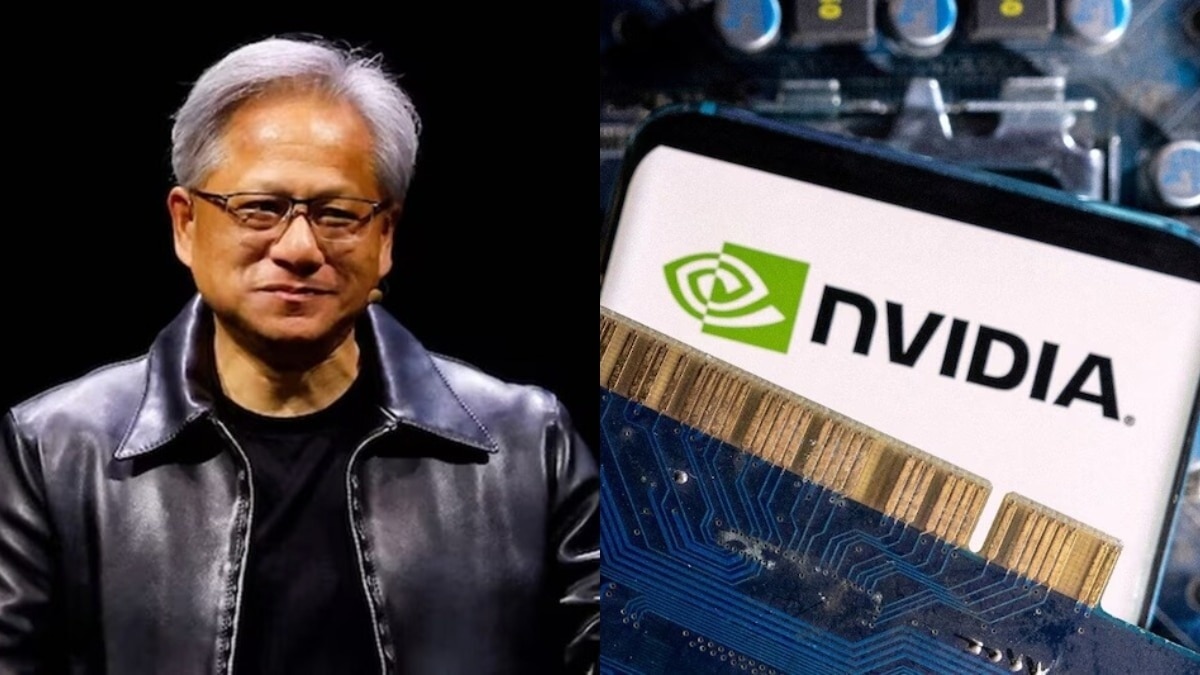
Nvidia’s Jensen Huang has stated that the global race for supremacy in artificial intelligence will not conclude with a single defining moment. In a discussion on The Joe Rogan Experience, Huang drew comparisons between the current AI competition and significant technological rivalries from history, citing innovations from World War II and Cold War defence initiatives.
Huang articulated that there has always been a technological rivalry, likening the quest for AI dominance to the Manhattan Project. He clarified that the primary difference lies in the rate of advancement. Rather than a single groundbreaking breakthrough, artificial intelligence is developing through ongoing, incremental improvements that might seem minor alone but ultimately become revolutionary when viewed over time.
He highlighted that AI systems have achieved nearly 100-fold improvements in capability in merely the last two years, prompting concerns surrounding autonomous weaponry and machine decision-making that could exceed human ethical standards.
Huang contended that a significant portion of this rapid progress is focusing on safety and dependability. He mentioned that these advancements make AI systems “more beneficial and less prone to errors”, addressing worries that unregulated development could spiral out of control.
Moreover, Huang advocated for the U.S. military’s role in AI development, suggesting that defence involvement can provide necessary structure and accountability, ensuring that the technology is integrated into national security measures rather than left to clandestine, unregulated entities.
Rogan brought up prevalent fears regarding AI outpacing human discernment and the potential vulnerabilities of modern encryption due to quantum computing. Huang countered these more dire predictions, asserting that AI will remain “just ahead” and reminding the audience that history includes many instances where society reacted with alarm to new inventions, only to adapt as regulations and societal norms took shape.
Ultimately, Huang does not foresee a scenario in which one nation or corporation achieves definitive victory. Instead, he illustrated a future where artificial intelligence becomes an unobtrusive backbone, seamlessly integrated into everyday life. In his perspective, AI is likely to serve as a reliable computing foundation that enhances sectors like healthcare and transport, operating without drawing significant attention to itself.