
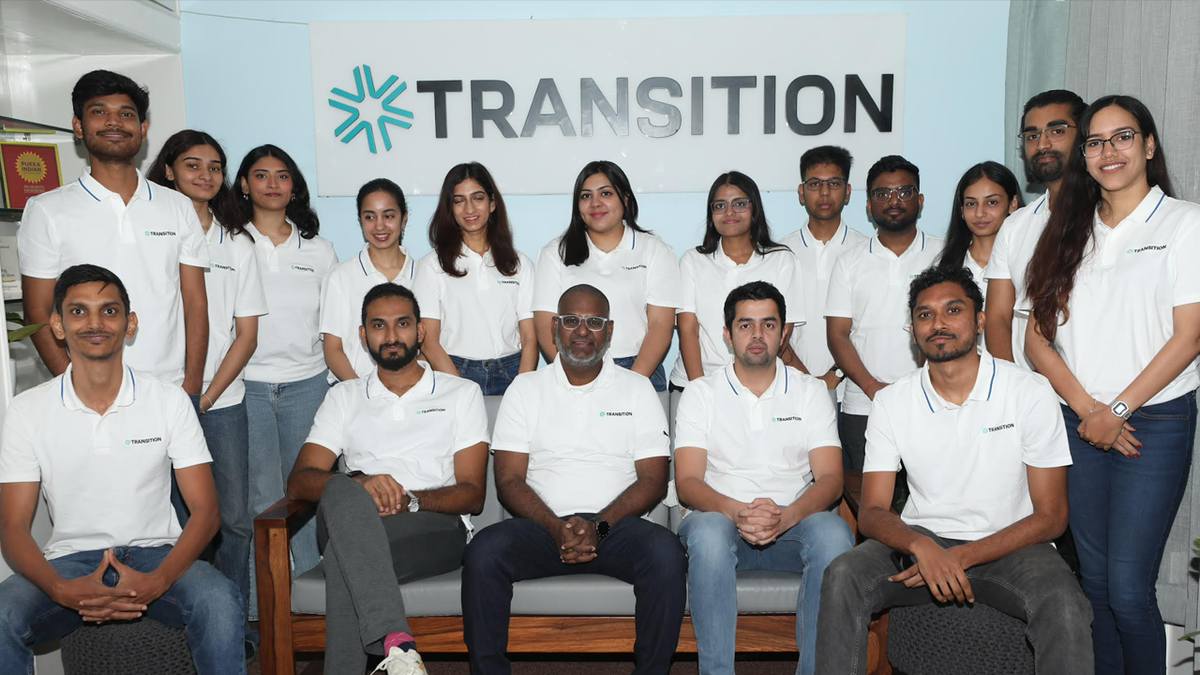
Transition VC Announces Fund Close for Energy Transition Investments
Transition VC has revealed the successful close of its inaugural fund at Rs 700 crore (around $77 million), surpassing its original goal of Rs 400 crore. This fund is supported by a broad community of institutional investors, corporates, family offices, strategic partners, and industry leaders.
According to Transition VC, the robust network of limited partners enhances the firm’s capabilities, aiding in thesis development, enabling the early identification of emerging trends, and enriching the quality of deal flow. For founders, this LP network serves as an authentic commercial accelerator, facilitating the conversion of pilots into purchase orders, granting access to both domestic and global markets, and actively shaping adoption pathways.
Investment Strategy of Transition VC
Transition VC aims to invest during the post-product, pre-PMF phase, and is intentionally crafting a portfolio with complementary companies rather than competitors. This approach empowers founders to exchange insights, collaborate on supply chains, and share talent throughout the portfolio.
Support for Startups and Portfolio Goals
So far, Transition VC reports having assisted 17 startups via Fund I, with an goal of building a final portfolio of up to 25 companies. The firm has supported ventures such as CIMware, Comminent, Matel, EMO, Hydgen, Dynolt, and Promethean. It indicates that over half of the fund has already been allocated, with plans to invest the remaining resources into founders developing robust solutions across the energy transition landscape.
Founders and Mission of Transition VC
Transition VC was co-founded by Raiyaan Shingati and Mohammed Shoeb Al and focuses on energy transition-related investments. The fund is dedicated to providing early-stage catalytic capital towards shaping the future of energy in India, supporting engineering-driven companies that are developing infrastructure for the transition through electrification, energy storage, industrial decarbonisation, alternative fuels, and next-generation manufacturing.