
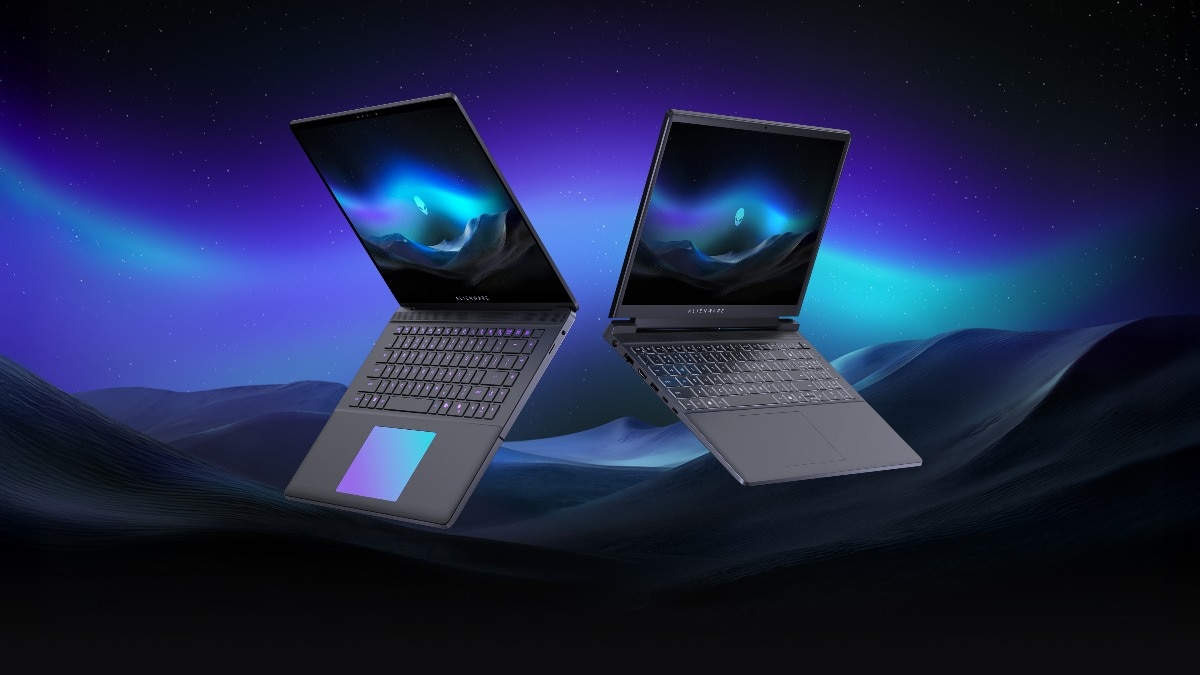
Future of Alienware: Thinner, Inclusive, and Handheld Possibilities
In a revealing discussion with Startup Superb, Matt McGowan, Head of Product for Dell’s Gaming Business Unit, provided insights into what lies ahead for Alienware. The vision features devices that are thinner, more inclusive, and potentially handheld in the future.
Transition from Bulkiness to Portability
McGowan directly acknowledged the noticeable shift from Dell’s once heavy “Area 51-style” laptops to more compact machines such as the m16 R2. He also clarified the integration of the budget-friendly Dell G-Series within the premium Alienware range, admitting that even his children use older G-Series laptops due to the high price of Alienware’s flagship models.
The End of Chunky Laptops
Discussing the transition away from hefty desktop replacements to sleek designs akin to Razer’s Blade series or the MacBook Pro, McGowan was candid about the engineering hurdles that come with optimising heat and performance in slimmer designs.
A journalist highlighted Alienware’s past reputation for bulky laptops. McGowan jokingly referred to them as “Chunk-saurus,” confirming plans for a new high-performance AMD product that aligns with a slimmer aesthetic. He noted the challenges of balancing performance and wattage, alongside maintaining portability. McGowan stated that he carries an m16 R2 daily but finds it somewhat heavy with limited battery life, and improvements are expected in future designs.
Alienware for a Broader Audience
A significant topic during the briefing was Dell’s decision to merge the budget-friendly G-Series features into the Alienware brand. Journalists raised concerns about whether this approach diminishes the premium identity associated with Alienware. McGowan defended this shift as essential for expanding the brand beyond affluent enthusiasts.
He explained how Alienware was becoming less prominent as the market grew more rapidly in lower price segments. He pointed out that high-end products like the Area 51 are costly to manufacture and purchase, sharing that his own children play on older Dell G-Series models because he didn’t want to invest £2,000 in Alienware devices.
Emphasising early brand loyalty, he expressed that he wishes for consumers to perceive Alienware as accessible, regardless of their financial situation. He stated that the objective is not to lose customers merely due to budget constraints.
The Potential Handheld Market
With competitors such as ASUS (ROG Ally), Lenovo (Legion Go), and Valve (Steam Deck) leading the handheld gaming market, Dell has noticeably been absent since presenting the “Concept UFO” prototype years ago. When questioned about the potential for an Alienware handheld, McGowan was cautious yet receptive.
He remarked on the evolving nature of the handheld market, admitting that he wasn’t entirely convinced about its longevity last year. However, with growing stability, Dell is now considering options and continuing to explore innovations in the labs. He cautioned against creating a product that merely follows the trend.
AI Innovations Beyond Gaming
While the briefing lacked the typical AI jargon synonymous with tech gatherings, McGowan outlined an evolving vision for AI that goes beyond mere performance enhancement (DLSS) into gameplay dynamics.
He indicated that developers are now contemplating the broader applications of TOPS (Trillions of Operations Per Second). McGowan enquired about how to enrich NPC interactions within games and integrate more natural language through voice and text, suggesting that these areas represent the next frontiers for AI technology and its role in enhancing user experience.