
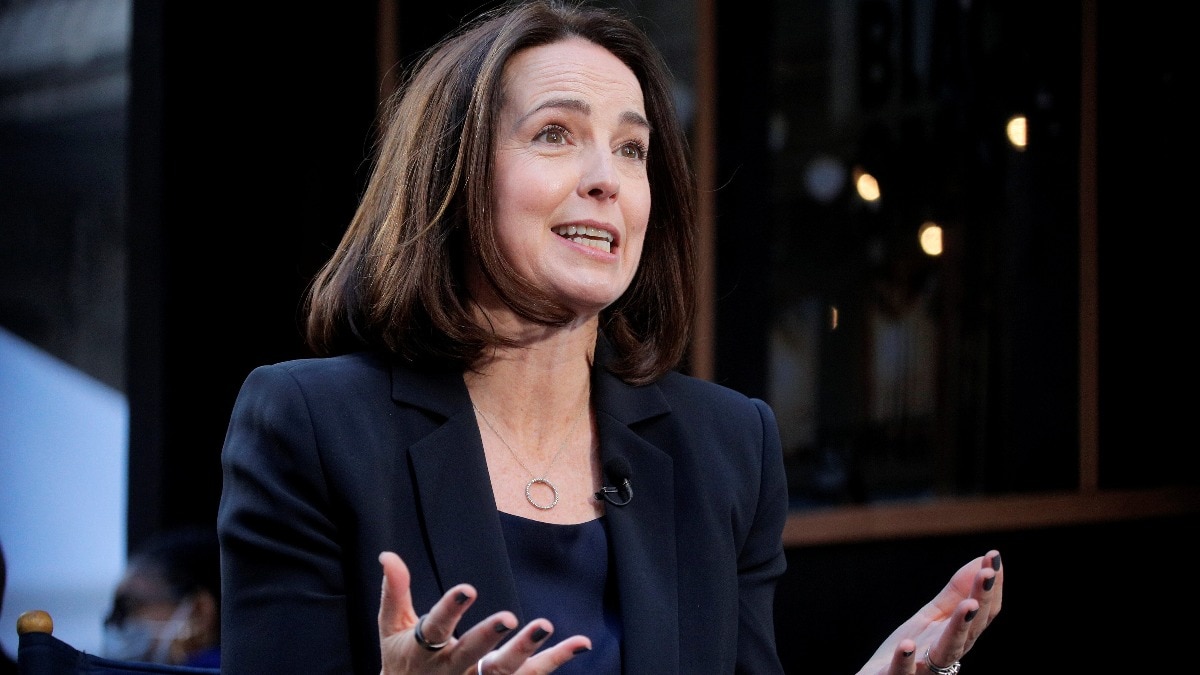
OpenAI, the prominent AI startup, is gearing up for an initial public offering (IPO) and may reserve a portion of its shares specifically for retail investors, rather than focusing solely on large institutions. This information was shared by Chief Financial Officer Sarah Friar during an interview with CNBC. The anticipation surrounding OpenAI’s IPO is significant, with expectations of it being a highly publicised event.
Demand from Everyday Investors
Friar disclosed that OpenAI assessed the interest of regular investors during its recent funding phase, discovering a substantial demand from individual investors. As a result, the company is considering putting aside some shares for retail investors when it proceeds with its IPO.
Insights on SpaceX IPO
In the conversation, Friar also touched on the upcoming SpaceX IPO, projected to become public around June 2026. She mentioned that the company is planning to allocate around 30% of its shares to retail buyers. The excitement around such companies is palpable, with Friar expressing hope that individuals will be just as eager to invest in ChatGPT. The consumer branding aspect plays a crucial role in this enthusiasm.
Recent Funding Highlights
OpenAI recently completed a funding round valued at $122 billion, an increase from the $110 billion valuation posted in February. The current valuation of the company stands at $852 billion, positioning it as one of the most valuable enterprises in Silicon Valley.
Future Financing Strategies
Friar emphasised that, given the company’s scale, continuously raising equity is not a sustainable approach. She stated the necessity to transition from equity financing.
Concerns About IPO Readiness
Despite the positive outlook, Friar expressed concerns regarding OpenAI’s potential timeline for going public. CEO Sam Altman has projected 2026 for this milestone, citing risks related to substantial expenditures and questioning whether the company is appropriately prepared for an IPO.
Financial Commitments and Risks
Additionally, Friar highlighted OpenAI’s significant financial obligations, which include plans to invest over $600 billion in cloud infrastructure over the next five years and an additional $200 billion before achieving a positive cash flow. The slowing revenue growth adds an element of risk to such extensive spending.
Advantages of Going Public
In her recent interview, Friar also outlined the advantages of becoming a public entity, as it would enable OpenAI to raise additional capital through mechanisms such as convertible debt and investment-grade loans. This transition will assist the company in securing substantial funds for enhancing its computing capabilities.