
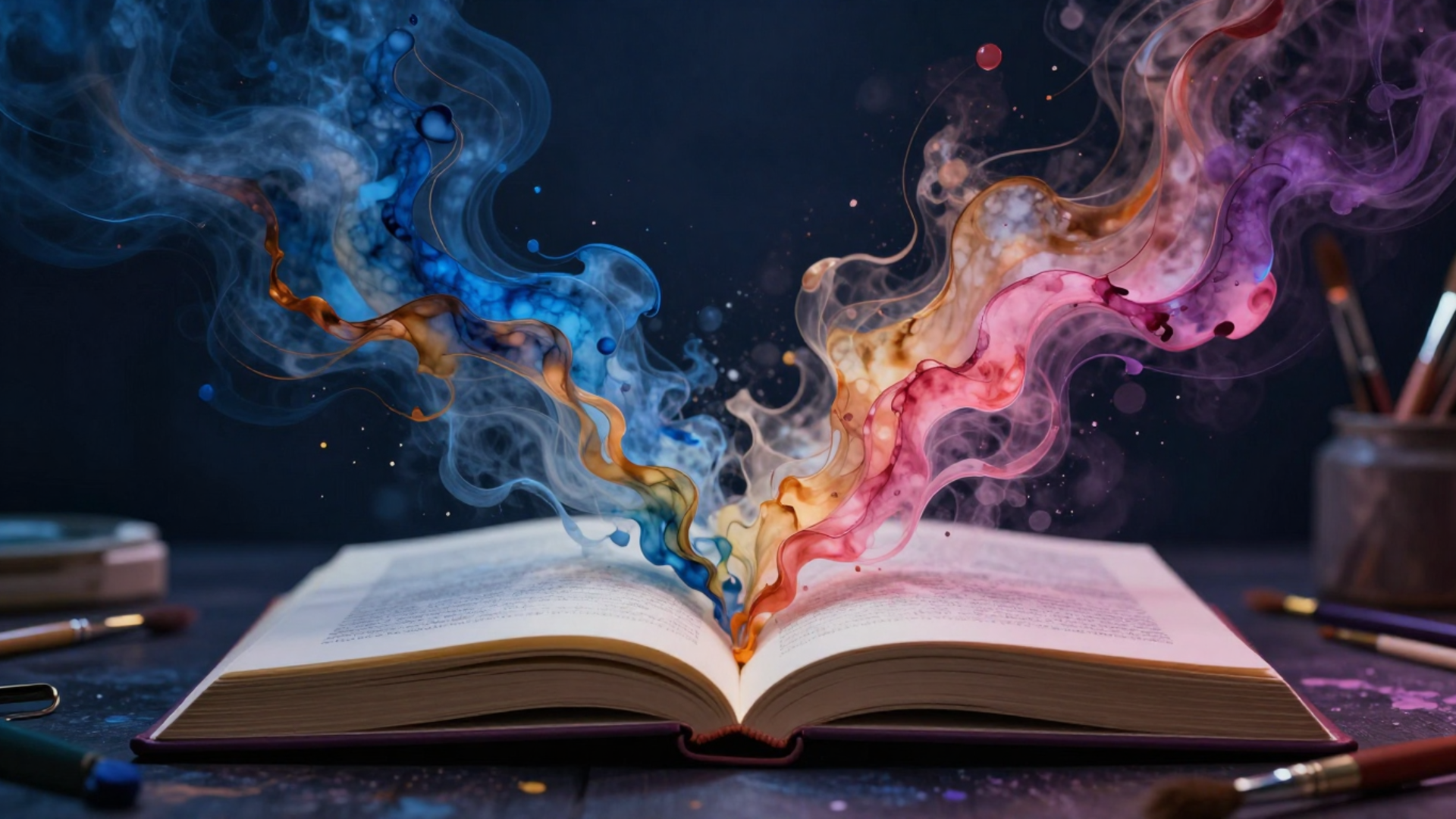
Art and Emotions: A Deep Exploration
Art has always transcended simple colours, shapes, sounds, or words. It serves as a unique language that articulates what individuals often find hard to convey. A single painting can encapsulate sorrow, a melody can evoke memories, and a narrative can unearth emotions buried within the human psyche. For centuries, creators have harnessed their works to digest experiences, gain self-awareness, and forge connections with others.
Understanding the Link Between Art and Emotions
The connection between art and emotions has intrigued psychologists, philosophers, and writers alike for generations. Some theorise that art reflects our internal worlds, while others view it as a significant instrument for healing, self-exploration, and emotional communication.
6 Books Exploiting the Connection Between Creativity and Emotion
The Story of Art by E.H. Gombrich
The Story of Art discusses the journey of artistic evolution and illustrates how human emotions, beliefs, and experiences have moulded artistic movements through history. Gombrich articulates that art is not generated in a vacuum; every artwork conveys the emotions and societal circumstances of its era. From primitive cave art to contemporary masterpieces, this book exemplifies how creators have employed their artistry to express a vast array of feelings, from hope to despair.
Ways of Seeing by John Berger
Ways of Seeing scrutinizes how individuals interpret visuals and how art shapes our understanding of ourselves and our society. Berger contests the notion that perception is merely a passive experience, asserting that emotions, backgrounds, and experiences influence how art is perceived. A single artwork can convey various feelings and meanings depending on the viewer. This work delves into how paintings express emotions beyond their mere visual aspects, urging readers to delve deeper into the ties between art, perception, and human feelings.
The Art Spirit by Robert Henri
The Art Spirit delves into the emotional and personal aspects of artistic creation. Henri postulates that authentic art emerges from self-awareness and the expression of genuine emotions. Rather than dwelling solely on technical dexterity, he accentuates the significance of passion, observation, and individuality. Henri motivates artists to craft pieces that mirror their feelings and lived experiences, emphasising that art gains meaning through the personality and emotions of its creator.
Art as Therapy by Alain de Botton and John Armstrong
Art as Therapy investigates how art can facilitate an understanding of emotions, relationships, and daily challenges. The authors underline that art can fulfil practical emotional needs. For instance, a certain painting may evoke the concept of patience, while a sculpture might symbolize strength. This book positions art as a valuable source of comfort, reflection, and emotional development rather than just a medium for admiration.
The Power of Art by Simon Schama
The Power of Art examines the lives and works of significant creators while illustrating how their emotions influenced their artistic paths. Schama portrays artists as figures who responded to personal dilemmas, historical events, and various human experiences. Their work commonly reflects emotions like suffering, ambition, love, and creativity. This book highlights how art can retain emotional significance, allowing future audiences to connect with the sentiments embedded in noteworthy creations.
The Emotional Life of Your Brain by Richard J. Davidson and Sharon Begley
The Emotional Life of Your Brain investigates the neuroscience behind emotions and how brain function moulds responses to various experiences, including artistic expression. While the focus is primarily on scientific exploration, the book sheds light on why humans are instinctively inclined towards artistic pursuits. It illustrates how emotions affect attention, memory, and perception — critical aspects of artistic experience. By understanding emotions through a scientific lens, readers can better appreciate the profound impact of art on the human psyche.
How Art Connects Us with Our Emotions
Art provides an avenue for exploring feelings that may not be conveyed through conventional conversation. Whether through the efforts of artists or the experiences of observers, art bridges the gap between internal sentiments and external expression. These books uncover that art transcends beauty or mere creativity; it is fundamentally about grasping human experiences, retaining memories, processing emotions, and discovering connections with others. Through various forms including paintings, narratives, and music, individuals uncover novel ways to comprehend themselves and the world that surrounds them.
[ad_1]