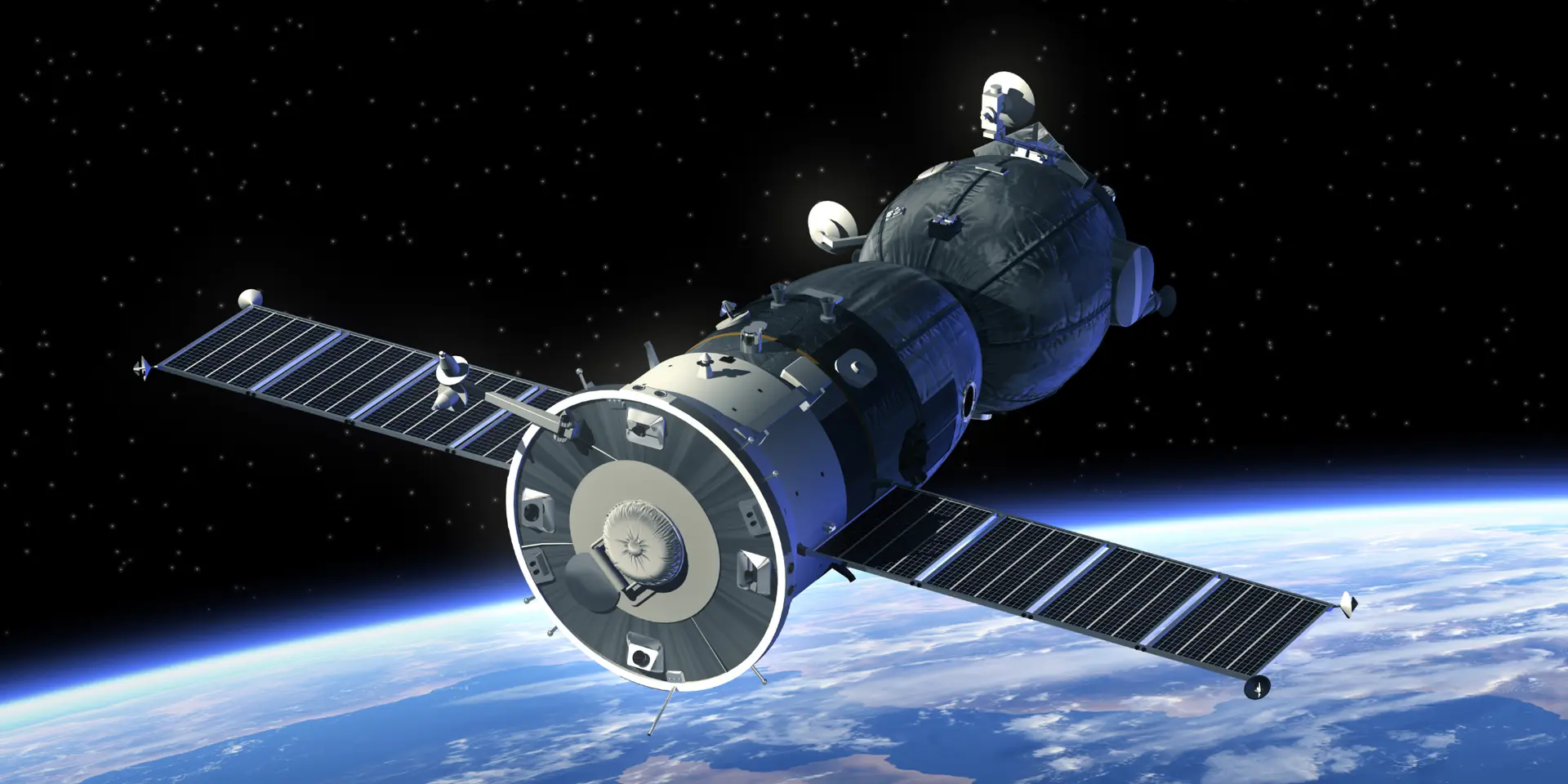
The Indian Space Research Organisation (ISRO) is preparing to launch its LVM3 rocket in March, which will transport a communication satellite for the US-based company AST SpaceMobile. This firm is working to provide space-based cellular broadband network services directly to smartphones.
Highlights
Key Highlights of the Mission
- The commercial LVM3-M5 mission scheduled for March will deploy the BlueBird Block-2 satellites, as outlined in an official announcement.
- This announcement follows a review led by Science and Technology Minister Jitendra Singh, who met with senior officials including outgoing ISRO chairman S Somanath, his successor V Narayanan, and Pawan Kumar Goenka, Chairman of the Indian National Space Promotion and Authorisation Centre (IN-SPACe).
During the discussions, Narayanan, who will assume his role on January 14, unveiled a strategic plan aimed at enhancing ISRO’s global presence.
Upcoming Launches
In addition to the LVM3 mission, several more launches are on the horizon:
- The joint NASA-ISRO satellite, designated NISAR, and
- The navigation satellite NVS-02, both set to launch in February on different GSLV rocket missions.
Future Milestones in Space Exploration
India’s commitment to space exploration is poised to reach significant achievements with various ambitious projects, including:
- The inaugural “uncrewed” orbital mission under the “Gaganyaan” programme, and
- The uncrewed orbital test mission for Gaganyaan, crucial for the ongoing development of India’s human spaceflight programme, focusing on system validation for crew safety and recovery.
Furthermore, ISRO is planning two GSLV missions, a commercial launch of the LVM3, and the highly awaited collaboration with NASA involving the NISAR satellite, all set for the upcoming months.
Details of GSLV Missions
The GSLV-F15 mission in January will launch the NVS-02 navigation satellite, bolstering the NavIC constellation and enhancing India’s positioning and navigation capabilities through the use of domestically developed atomic clocks. In February, the GSLV-F16 mission will carry NISAR, a state-of-the-art Earth observation satellite developed in partnership with NASA. NISAR will feature advanced radar imaging technology to provide essential data for sectors such as agriculture, natural disaster management, and climate monitoring.
Singh commended ISRO for its impressive advancements in fostering innovation and boosting India’s profile as a key player in global space exploration. He emphasised the vital importance of public-private partnerships in advancing the nation’s space ambitions.