Highlights
The Impact of Skilled Trades Shortage on the Labour Market
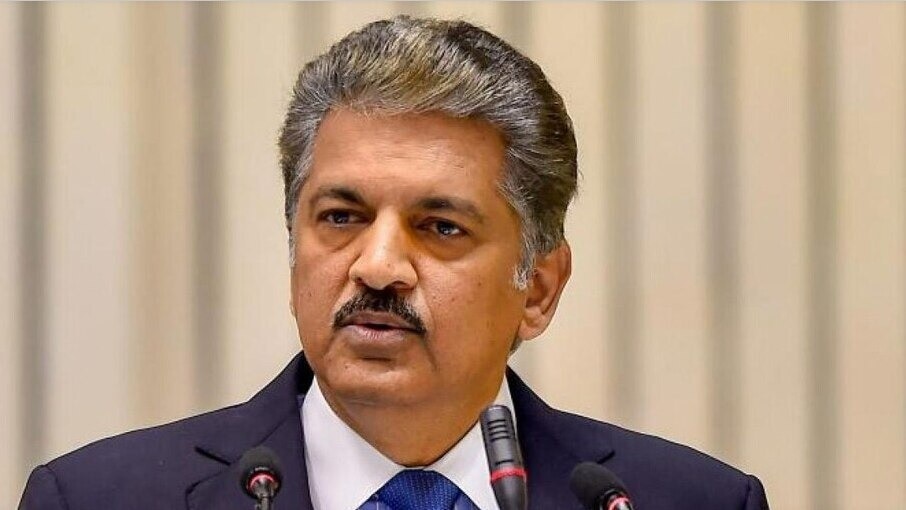
Skilled trades shortage is challenging the labour market’s dynamics more urgently than fears around AI taking over white-collar jobs. Anand Mahindra, Chairman of Mahindra Group, raised this concern in a post on X, emphasizing that the shortage of trained workers in vital sectors poses a greater challenge than AI-related disruptions.
In sharing a report featuring Ford Motor Company CEO Jim Farley, Mahindra pointed out that while society speculates about the future of white-collar roles, the immediate issue is far more pressing. He remarked that society is too focused on the potential of AI displacing white-collar jobs to recognize the critical issue of workforce scarcity in skilled trades.
Societal Imbalance Over Decades
Mahindra highlighted that the labour gap can be traced back to cultural decisions made over the years. Society has historically elevated degrees and office-based jobs, resulting in a generation being directed away from valuable, hands-on professions. Ironically, these are the very positions that AI cannot replicate—ones requiring judgement, dexterity, practical experience, and mastery gained through apprenticeships.
He questioned whether society might soon rethink what constitutes a dream career, suggesting that the true beneficiaries in the age of AI might be those capable of building, repairing, and maintaining crucial systems.
Unfilled Essential Roles
Farley recently disclosed that Ford alone has 5,000 mechanic positions available, many offering salaries around $120,000 per annum, yet there are no candidates. The situation is far-reaching; over one million roles in plumbing, electrical work, trucking, manufacturing, and factory operations across the US remain unfilled.
Farley described this as a “serious problem” for the nation, warning it has escalated beyond specific industries and is affecting vital manufacturing capacity, emergency services, and key infrastructure.
Federal data supports his worries. As of August, there were more than 400,000 open manufacturing positions nationwide, despite an unemployment rate rising to 4.3 percent—indicating that the issue is not a lack of jobs, but a visibly diminishing pool of skilled workers.
Musk Voices Concern
Elon Musk, the CEO of Tesla, SpaceX, and Starlink and the richest person globally, also addressed the growing crisis. He stated there is a significant shortage of individuals capable of performing challenging physical tasks or willing to undergo training for such roles, adding his influential voice to this pressing concern.
A New Kind of Revolution
In a notable analogy, Mahindra referenced Karl Marx, asserting that Marx envisioned workers rising through struggle, but never contemplated that they would become too skilled, too scarce, and too vital to replace. He characterised this transition as a “revolution not through violence…but through value-discovery,” arguing that the increasing scarcity and necessity of skilled workers could shift the global labour hierarchy significantly.