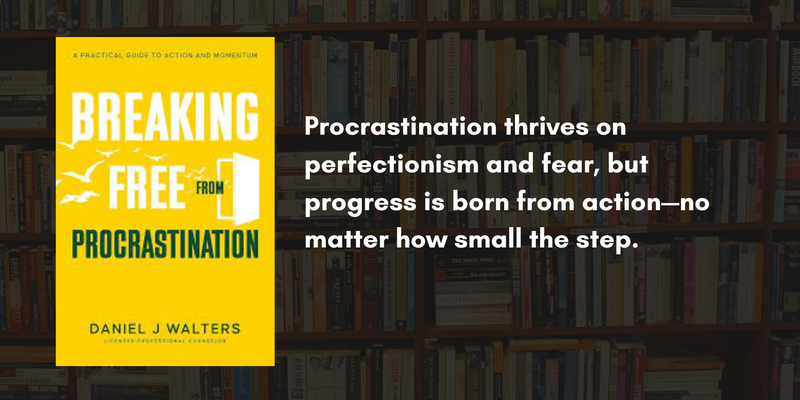
Breaking Free from Procrastination: Strategies for Overcoming Delay
Procrastination affects everyone at some point—whether it’s delaying tasks due to social media distractions, binge-watching series, or simply postponing actions until tomorrow. This common challenge can significantly impact students with deadlines and professionals in busy jobs. While occasional delays might seem trivial, persistent procrastination can significantly diminish time, opportunities, and personal development. In his insightful book, Breaking Free from Procrastination, Daniel J. Walter provides valuable guidance on how individuals can successfully overcome procrastination. With practical advice and psychological insights, Walter enables readers to liberate themselves from the grip of delay, fostering a more productive and focused life.
In today’s fast-paced world, immediate action can often be the key to achieving success. The question arises: how can one break the cycle of procrastination?
5 Lessons for Overcoming Procrastination
1. Understand the Root Causes of Procrastination
The first lesson Walter emphasizes is recognizing the underlying reasons for procrastination. This behaviour is not solely the result of laziness or inadequate time management; deeper issues like fear of failure, perfectionism, or overwhelming anxiety about tasks often contribute. Walter urges readers to explore these psychological factors. Is a task being avoided because it feels intimidating? Or is there anxiety surrounding its completion? Identifying the roots of procrastination provides clarity for addressing these issues directly.
How to apply this lesson:
- Reflect on personal reasons for delaying tasks, such as fear or lack of interest.
- Break larger projects into smaller, more manageable steps.
- Challenge negative beliefs and aim for small accomplishments as a start.
2. Focus on Small, Achievable Goals
Walter highlights the significance of concentrating on small, attainable goals to combat procrastination. Large projects can seem daunting, which often results in avoidance. Setting smaller, more manageable objectives makes tasks feel less overwhelming and more feasible.
How to apply this lesson:
- Divide larger tasks into smaller, actionable components.
- Celebrate minor achievements to build momentum.
- Maintain focus on one task at a time to reduce distractions.
3. Implement the 5-Minute Rule
A powerful technique Walter recommends is the 5-Minute Rule. This straightforward rule encourages individuals to commit to a task for just five minutes. Frequently, the most challenging part is simply beginning. Once engaged, most find they wish to continue working beyond the initial five minutes. This technique mitigates the mental barriers encountered when initiating tasks, fostering the habit of immediate action.
How to apply this lesson:
- Set a timer for five minutes and dedicate full attention to the task.
- If the desire to stop arises after five minutes, allow a brief pause; however, it’s common to continue working.
- Apply this rule to both smaller and larger projects to alleviate the pressure of starting.
4. Create a Productive Environment
The surroundings significantly influence habits and productivity. Walter urges the creation of a workspace that minimizes distractions and fosters concentration. Whether working from home, an office, or studying, the environment can either facilitate focus or lead to diversion.
Begin by decluttering workspaces, silencing unnecessary notifications, and establishing clear boundaries with those nearby. An organized and distraction-free environment signals readiness to concentrate and accomplish tasks.
How to apply this lesson:
- Designate a specific area for work or study to train the brain to associate that space with productivity.
- Eliminate distractions like phones or use applications to block social media.
- Organize the workspace to ensure easy access to essential items, reducing disruptions.
5. Overcome Perfectionism and Fear of Failure
A frequent trigger for procrastination is the fear of not achieving perfection. Walter asserts that perfectionism hinders progress, causing individuals to postpone tasks until conditions are ideal. However, awaiting the perfect moment often leads to inaction.
Walter encourages embracing the notion that progress surpasses perfection. It is more advantageous to commence imperfectly and enhance along the way than to never begin. Acknowledging that mistakes are integral to growth and learning is essential.
How to apply this lesson:
- Acknowledge that mistakes are unavoidable and beneficial for learning.
- Prioritize progress over perfection; take decisive action even if the results are flawed.
- Establish realistic expectations, allowing for development and improvement.