


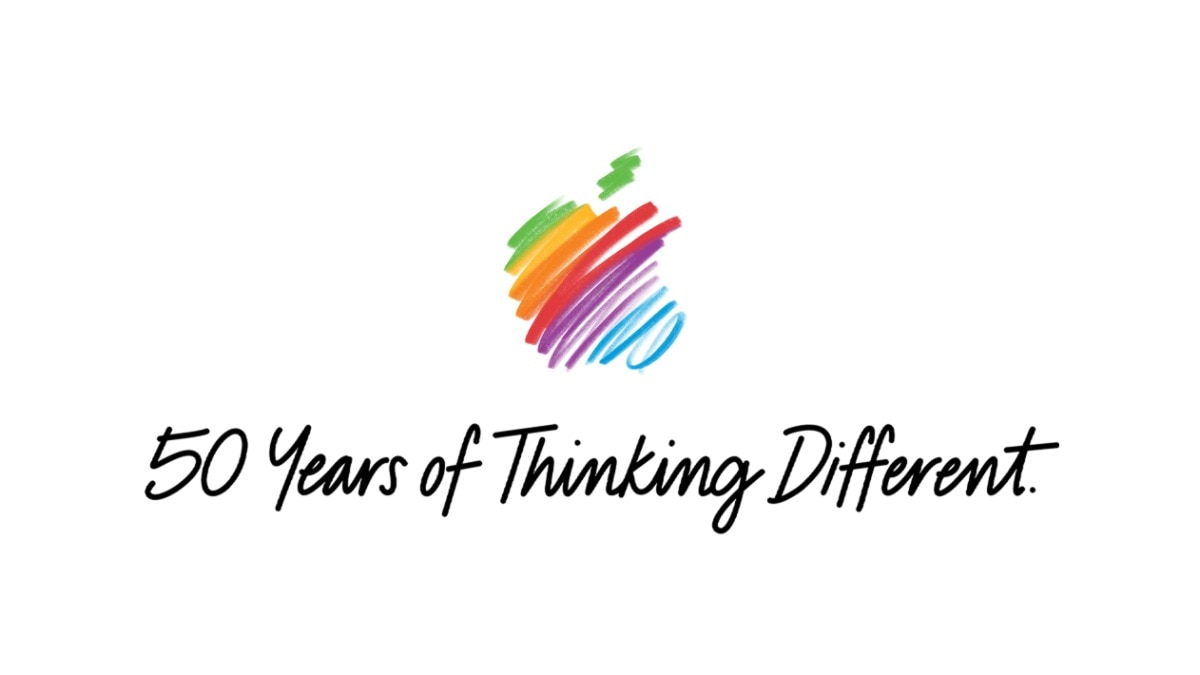
Apple Inc: Celebrating 50 Years of Innovation
On April 1, 2026, Apple Inc marks its 50th anniversary, commemorating an incredible journey from a garage in Los Altos, California, to becoming a leading force in the technology landscape. From the very first Apple I to its advancements in Artificial Intelligence (AI), the company has significantly evolved.
The foundation was laid by Steve Jobs, Steve Wozniak, and Ronald Wayne, who established Apple Computer Company to create personal computers. Now, half a century later, the organisation is known as Apple Inc and is spearheaded by Chief Executive Tim Cook, who has played a vital role in shaping its current identity.
Tim Cook remarked in a letter celebrating the anniversary that the company has spent five decades reimagining possibilities and empowering individuals with innovative tools. He emphasised that progress is driven by those who think differently.
From Founding to Future: Apple’s Five Decades
The 1970s: The Birth of Apple
Apple’s Chief Executive Officer, Steve Jobs, along with co-founder Steve Wozniak, created a minimal personal computer known as the Apple I, which was hand-assembled and did not include any monitor, keyboard, or casing. Despite this simplicity, it caught the attention of many buyers.
Within a year, Apple released the Apple II, a consumer-ready product featuring a colour display and keyboard, generating millions in revenue and establishing Jobs and Wozniak as pioneering technology leaders.
The 1980s: The Macintosh Revolution
In 1984, Apple introduced the Macintosh, transforming the personal computer market with its user-friendly interface, mouse-driven navigation, icons, and application windows. However, internal disputes led to Steve Jobs leaving Apple in 1985.
The 1990s: Steve Jobs’ Comeback and the iMac Launch
The 1990s were challenging for Apple, marked by financial difficulties and shifts in leadership. In 1997, Jobs returned to the company after it acquired NeXT, marking a transformative phase.
In the subsequent year, Jobs implemented numerous changes, focusing on design, software, and user experience.
1998 saw the introduction of the first iMac, known as the iMac G3, featuring a colourful and translucent design.
The 2000s: iPod, iTunes, and iPhone Innovations
The Y2K era heralded some of Apple’s finest years for product launches and innovation. In 2001, the company unveiled the iPod, its first MP3 player capable of storing 1,000 songs, paired with iTunes.
In 2007, Apple changed the game with the launch of its first smartphone, the iPhone, which introduced touch controls and seamless internet connectivity.
During the launch, Jobs highlighted that they were not releasing three separate devices but an all-in-one product, which they named the iPhone.
Within a year, the App Store was established, creating a new global software development economy. The MacBook Air was also unveiled in 2008.
The decade concluded with the introduction of the iPad.
The 2010s: Tim Cook’s Leadership, Apple Watch, and More
Steve Jobs passed away in 2011 following a long struggle with pancreatic cancer, leading to the elevation of Tim Cook from COO to CEO. Under Cook’s leadership, Apple reached the milestone of being the first trillion-dollar company by August 2018.
From 2015 to 2020, Apple introduced personal devices like the Apple Watch and AirPods, alongside services such as Apple Music, Apple TV+, Apple Arcade, iCloud, and Apple Pay. This era saw Apple transitioning from solely hardware manufacturing to providing a comprehensive ecosystem of devices, software, and services.
The decade culminated in the launch of Apple Silicon, starting with the M1 chip, marking the transition from Intel processors to Apple’s proprietary chips.
The 2020s: Leading the Premium Market, Vision Pro, and Beyond
In the early 2020s, Apple enhanced its Silicon chip offerings, and recently introduced its fifth-generation M-series chips for MacBooks. The M5-powered Macs have set a new industry standard for performance, efficiency, and AI capabilities.
By 2024, Apple ventured into spatial computing with the launch of its Vision Pro headset, integrating Augmented and mixed reality experiences for users. The introduction of Apple Intelligence, featuring a suite of AI-driven capabilities, is yet to reveal its full potential.
In 2025, the company unveiled the iPhone 17 series, which included its sleeker-than-ever iPhone Air. Additionally, Apple reintroduced a budget-friendly line with the e-series iPhones, the latest being the iPhone 17e.
This year, Apple entered a new price bracket for Macs with the launch of MacBook Neo, now available for just Rs. 69,990.
As Apple approaches its 50th anniversary, the company continues to expand its portfolio of products and services, including advancements in AI. Furthermore, Apple is growing its retail presence globally, with a significant focus on India, which is becoming a crucial hub for its manufacturing operations.