


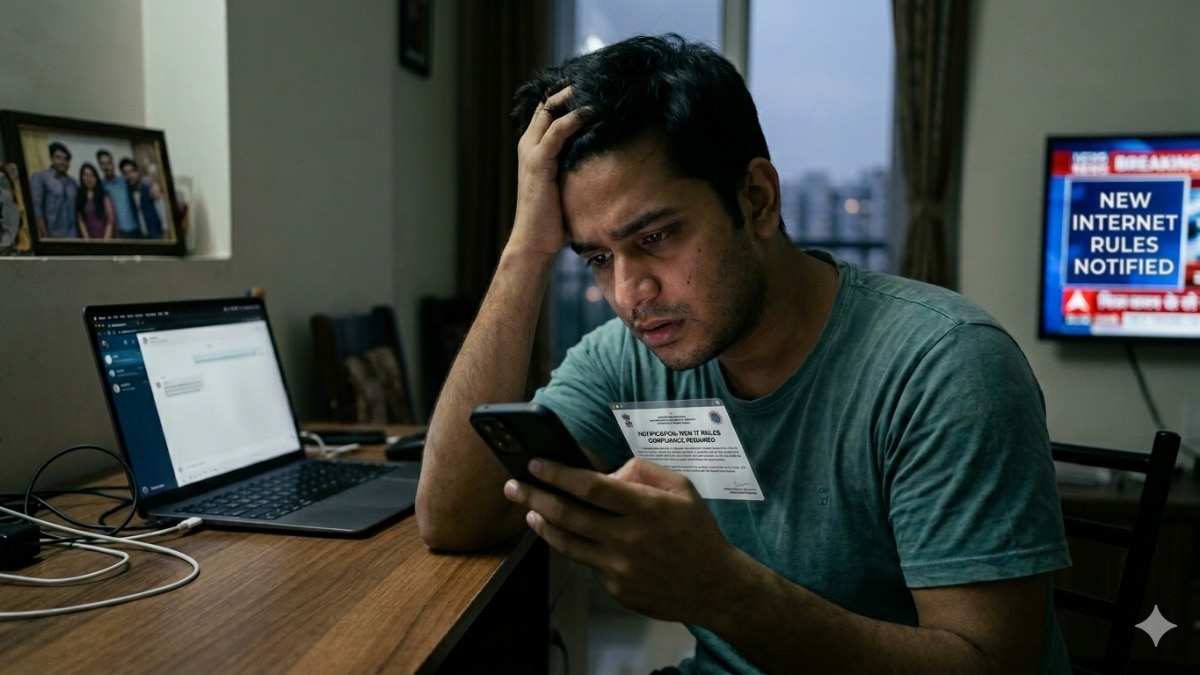
Significant Amendments Proposed for Digital Media Regulations
The Ministry of Electronics and Information Technology (MeitY) has put forward new amendments to the Information Technology (Intermediary Guidelines and Digital Media Ethics Code) Rules, 2021. These changes could profoundly impact how news and current affairs content is disseminated online.
The draft changes, introduced on March 30, aim to broaden regulatory oversight beyond conventional digital news publishers to encompass individual users, influencers, and content creators. This could potentially subject millions to government scrutiny.
The proposal is available for public consultation until April 14, 2026.
What Changes Are Being Proposed?
At the heart of the proposed amendments lies an expansion of Part III of the IT Rules, which governs the Code of Ethics and establishes a three-tier oversight mechanism for digital news publishers.
Previously, this framework applied exclusively to registered news publishers, aggregators, and similar entities. Individual users were exempt from these regulations. The draft proposal eliminates that distinction, indicating that anyone posting content classified as “news and current affairs” could now fall under the same regulatory framework.
This essentially positions ordinary users and influencers on equal footing with publishers concerning compliance obligations.
Enhanced Government Oversight
The proposed amendments would also enhance the authority of the government’s Inter-Departmental Committee (IDC), granting it the power to review, modify, or mandate the removal of content considered problematic.
Moreover, the committee could initiate investigations into such content. This represents a shift from platform-driven moderation to more direct governmental oversight.
The ministry has defended this move as a strategy to combat misinformation, including fake news and AI-created deepfakes, which have become more prevalent and sophisticated.
Implications for Platforms
These changes could notably escalate compliance challenges for major social media companies like Meta Platforms, Google, and X Corp.
Under the proposed rules, these platforms would need to adhere to government advisories and directions as part of their “due diligence” obligations. Non-compliance might lead to the loss of safe harbour protections under Section 79 of the IT Act, making them liable for user-generated content.
Implications for Creators
India’s creator economy, which is estimated to encompass between 2 to 2.5 million active digital creators and generate revenue between $20–25 billion, could face direct repercussions.
Many of these creators produce opinion-driven content, commentary, and on-the-ground reporting. Under the proposed rules, such activities might be categorised as publishing news, even if the creators do not consider themselves journalists.
This overlap between individuals and publishers could heighten legal exposure and compliance responsibilities for independent creators.
Concerns Raised by Critics
Digital rights advocates have expressed significant concerns about the proposed amendments. The Internet Freedom Foundation (IFF) has referred to these changes as “digital authoritarianism,” raising alarms about increased state control over online expression.
The IFF stated that the expansion of Rule 8(1) to encompass Rules 14, 15, and 16 aims to extend the blocking powers of the Ministry of Information and Broadcasting (MIB) to both intermediaries and users who do not identify as publishers yet post news and current affairs content online.
Fifteen days remain for stakeholders to respond to these proposed amendments, which critics argue could transform online discourse in India. They note that what is labelled as “clarificatory” quietly expands censorship powers, intensifies data retention, and targets platforms to over-remove content.
Concerns highlighted by the organisation include risks related to surveillance, data retention, platform independence, and freedom of expression.
Deepro Guha, Partner at The Quantum Hub, has reiterated similar concerns, emphasising that the amendments could lead to increased scrutiny of individual content creators, potentially resulting in heightened censorship.
Next Steps
The draft amendments are still in the consultation phase, with MeitY encouraging input from various stakeholders, including platforms, civil society organisations, and individual citizens.
Feedback on the draft rules can be sent via email to itrules.consultation@meity.gov.in.