


India’s Electronics Value Chain Expansion
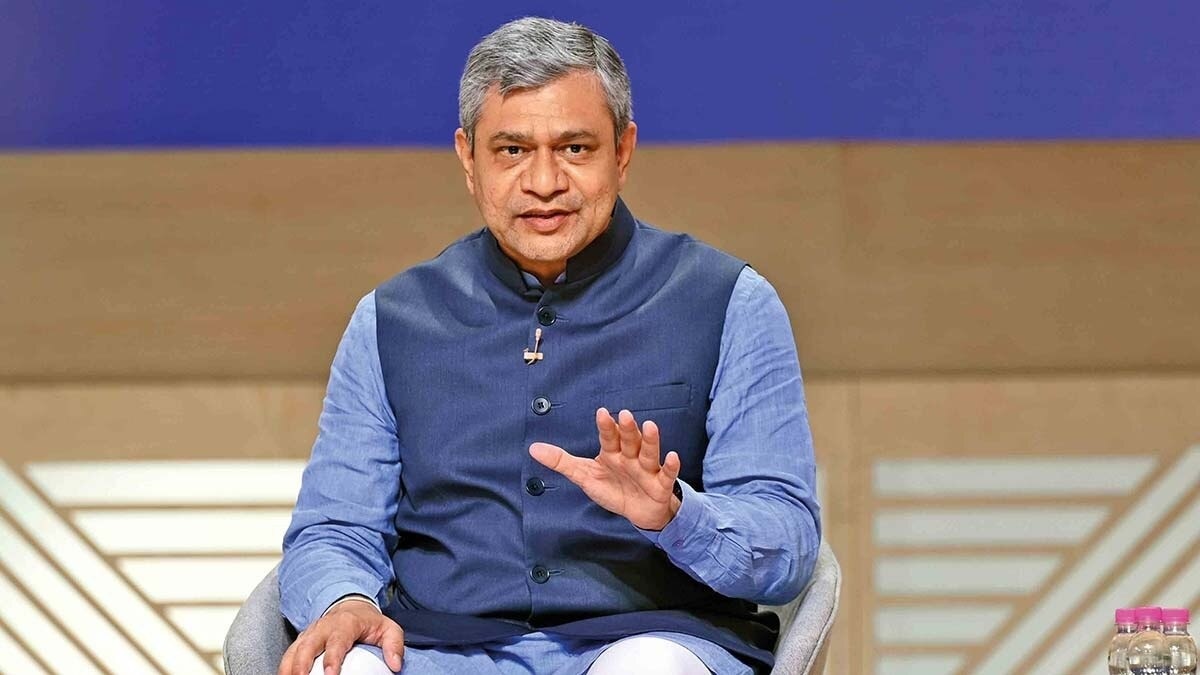
India’s electronics value chain is poised for global expansion as Union IT Minister Ashwini Vaishnaw announced on March 30 the endorsement of 75 innovative projects under the Electronic Components and MSME (ECMS) programme. This initiative involves an investment of Rs 61,671 crore and is expected to generate around 65,000 direct jobs nationwide.
Strategic Shift in Manufacturing
During a recent press briefing, Vaishnaw emphasised the transformative journey of manufacturing in India, stating that the country has transitioned from producing finished products to building robust modules and, now, internal components of electronic devices. He pointed out that India is now focusing on the “heart” of devices rather than merely their exteriors.
Local Production of Rare Earths and High-End PCBs
Vaishnaw disclosed plans for the approval of a unit dedicated to rare-earth permanent magnets while local production of high-end flexible Printed Circuit Boards (PCBs), vital for compact electronics, is set to commence. He stated that the technology behind these advancements is Indigenous.
In-House Manufacturing of Critical Components
Additionally, six applications for the production of capital equipment and essential components such as inductors and transducers for the electric vehicle ecosystem will now be produced domestically. Vaishnaw remarked that previously imported items will now be manufactured in India.
Reduced Dependence on Imports
This initiative is aimed at lessening India’s reliance on Chinese supply chains and enhancing the country’s goals in clean energy and defence sectors. Vaishnaw mentioned that the new approvals are projected to satisfy around 61% of the domestic demand for capacitors, an increase from 35% previously. Moreover, domestic manufacturing of relays is set to meet all demand, with surplus enabling India to become a global supplier.
Local Demand Fulfilment
Currently, 25% of the domestic requirement for rare earth magnets will be met through local production, while metalised films crucial for capacitor manufacturing will cover 44% of domestic volume. Furthermore, PCBs are expected to fulfil approximately 50% of the domestic demand, with inductors covering 5% and SMD passive components addressing 2%.
Step-by-Step Process Towards Exporting
Vaishnaw characterised the process as methodical and stepwise, enabling India to emerge as an exporter while significantly reducing imports.
Micron’s Second Manufacturing Plant
Vaishnaw also mentioned the inauguration of Micron’s first plant on February 10, with plans to inaugurate the second plant by March 31. He highlighted the swift transition from groundwork to actual production, which took just 19 months, showcasing India’s manufacturing prowess and governmental commitment to progress.
He expressed that this development illustrates the nation’s potential and reflects meticulous planning by the government.