


Proposed IT Laws for Big Tech and User-Generated News Content
On March 30, the IT Ministry introduced stricter regulations for major technology firms and user-generated news content. According to the proposal, news shared by users on social media platforms will now come under governmental oversight, allowing authorities the ability to review, modify, or even remove such posts.
Overview of the IT Proposal
The proposal makes it clear that Part III (Rule 8) of the IT regulations will apply not only to established news publishers and social media websites but also to individual users, such as influencers or content creators, who produce news or current affairs material. Previously, these rules were exclusively targeted at publishers.
Impact on User-Generated Content
This new regulation effectively incorporates user-generated news content into the applicable legal framework; however, it does not impose direct regulations on individual users.
Changes for Social Media Giants
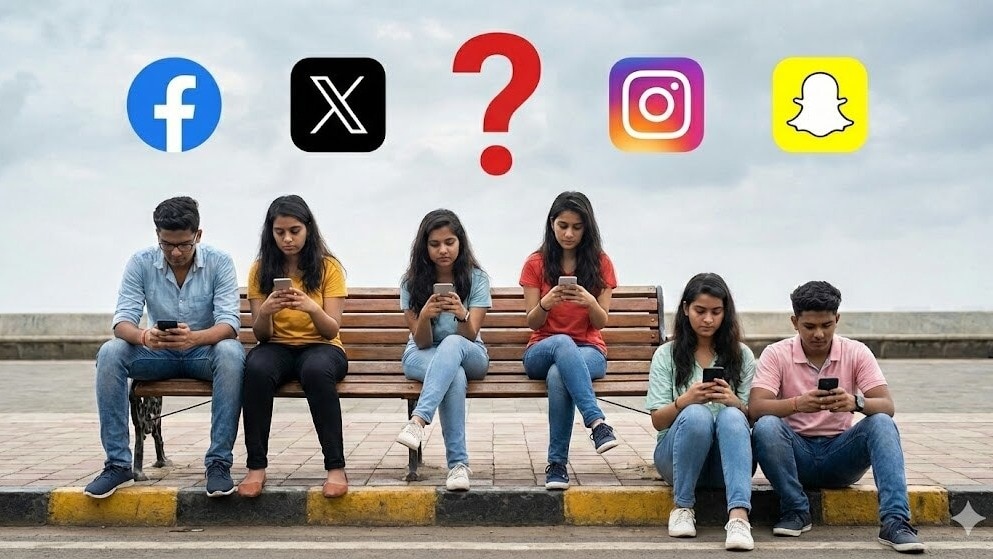
Additionally, the ministry has suggested modifications to IT laws that will require major social media platforms, including Meta, Google, and X (formerly Twitter), to adhere to government advisories and clarifications as part of their due diligence responsibilities.
Consequences of Non-Compliance
Under the freshly proposed regulations, failure to comply may result in these companies losing their legal protections within the country or potentially being held accountable for user-generated content. Furthermore, the ministry is encouraging public feedback on this proposal until April 14.
Clarifications and Legal Certainty
The ministry document indicated that the amendments are intended to be clarifying and procedural, aimed at enhancing legal certainty, fortifying the enforceability of directives from the Ministry, and ensuring strong oversight of content hosted by intermediaries, particularly pertaining to news and current affairs.
Recent Developments in IT Regulations
In recent times, the Indian government has been implementing various changes to its IT legislation and advisories, all in alignment with safeguarding its citizens’ interests. Notably, the government has shortened the period platforms must remove flagged content from 36 hours to just three hours and has introduced fresh regulations concerning AI-generated content and deepfakes.
Concerns from Digital Rights Groups
However, the Internet Freedom Foundation has publicly expressed concerns regarding the new IT rule proposal through a detailed post on X. The digital rights organization notes that binding advisories could complicate the distinction between guidance and law, thereby increasing government authority over platforms and online content.
Implications for Freedom of Speech
The IFF articulated that these amendments arrive amid a climate of anxiety and heightened government-directed censorship, particularly concerning political discourse online. They highlighted that any Rule 3(4) requiring adherence to Ministry advisories would face similar challenges as they impose substantial new requirements not initially considered in the IT Act.
With the introduction of this proposal, the IFF has voiced apprehension about potential threats to freedom of expression, platform autonomy, and user rights, stressing that these changes could undermine due process.