Highlights
High-Bandwidth Memory and the Impact on AI Technology
The global technology sector is undergoing a significant transformation, driven by the rising demand for Artificial Intelligence (AI) technology. To support these AI models, businesses are requiring High-Bandwidth Memory (HBM), necessitating increased wafer capacity needed for the production of DRAM. Consequently, manufacturers are shifting focus towards AI-grade chips, resulting in a memory shortage impacting smartphones and PCs. Industry analysts forecast that this shortage may lead to a price increase for consumer electronic devices ranging from 5 to 20% by the year 2026.
Notably, major memory-chip producers such as Samsung, SK Hynix, and Micron have already fully allocated their HBM production capacity for 2026 to satisfy the demands of AI firms like NVIDIA and OpenAI. An IDC report indicates that AI data centres will require substantial memory resources, with the projected shortage persisting until at least 2027.
Impact on Consumer Electronics
This shift is set to have repercussions for consumers, with anticipated increases in the prices of laptops, phones, PCs, and gaming consoles in 2026. Additionally, upgrading RAM or storage will likely become more expensive. The report pointed out that this marks the end of an era characterised by inexpensive and readily available memory and storage, at least in the medium term.
Potential Specification Cuts in Devices
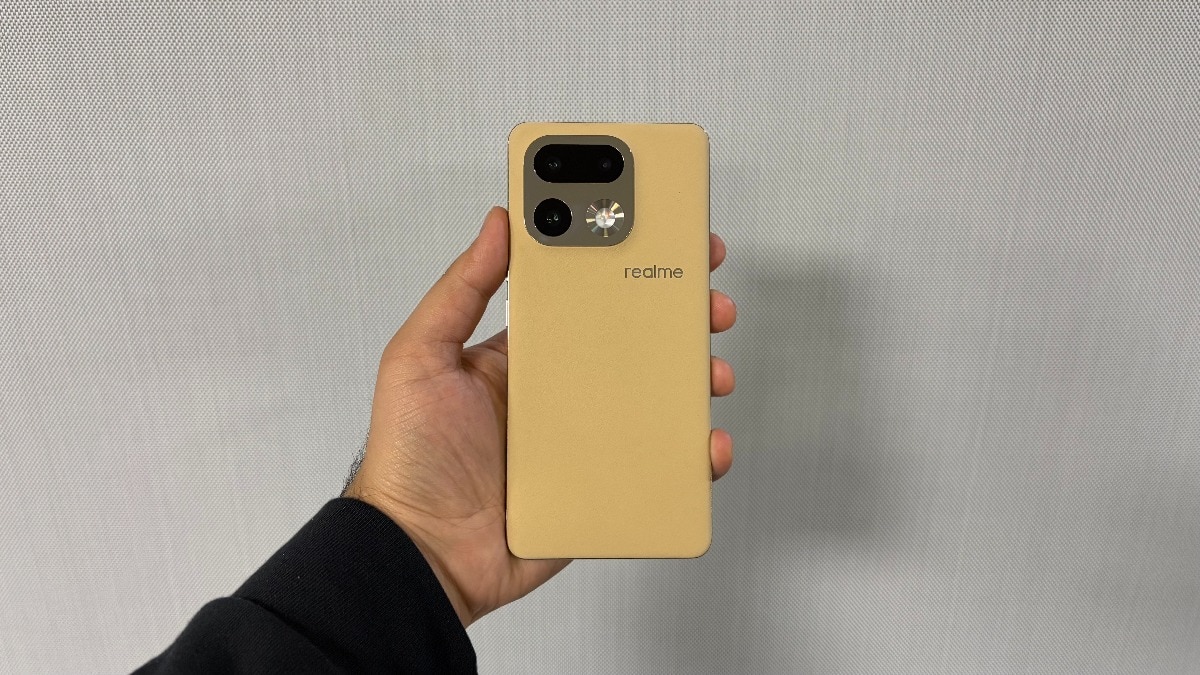
In order to manage pricing and sustain sales figures, Smartphone and AI PC manufacturers may consider launching devices with modified specifications in 2026. For example, a model originally equipped with 16GB of RAM might be reduced to 12GB to comply with budget constraints. This situation could also prolong consumers’ decisions to purchase new devices in the coming months.
Several laptop manufacturers, including Asus and Dell, have already indicated price increases for higher memory versions, beginning this month. Dell reportedly intends to raise prices from $55 to $765, which could notably affect the accessibility of AI PCs and premium gaming laptops.