“`html
Neuralink Brain Implant: Noland Arbaugh’s Life Transformation
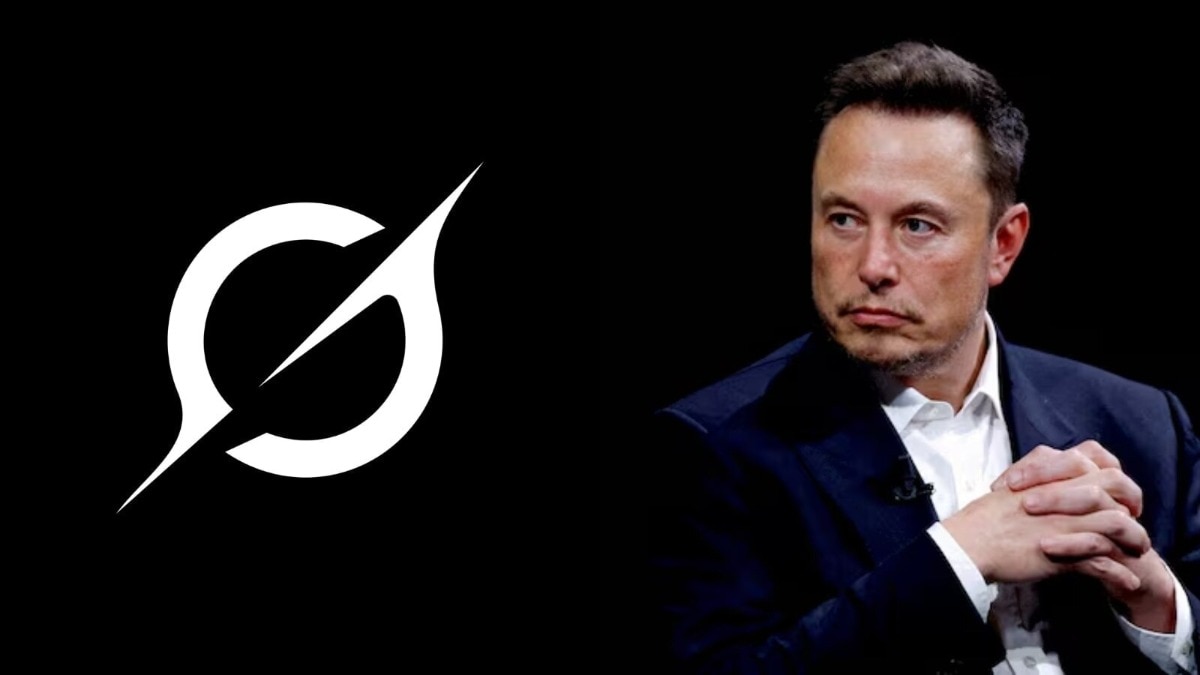
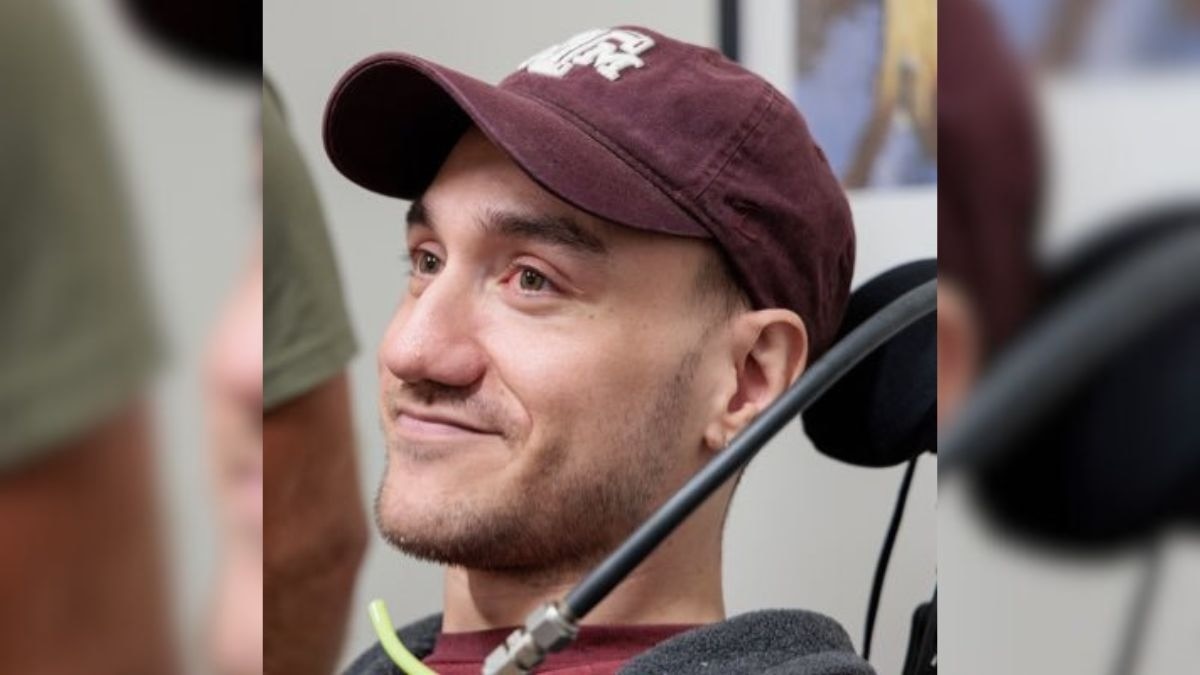
Eighteen months after being the first individual to receive the Neuralink brain implant from Elon Musk, Noland Arbaugh has shared how this innovative device has significantly improved his daily life, granting him increased independence and a revitalised sense of purpose.
Arbaugh, now aged 31, experienced paralysis from the shoulders down due to a swimming accident in 2016, which left him with no movement or sensation below the injury site. In 2024, he underwent a surgical procedure conducted by a robotic system that implanted the Neuralink device in his brain. This coin-sized chip connects over a thousand miniature electrodes to his neurons, enabling the system to detect and interpret electrical signals, and convert them into digital instructions.
With this brain-computer interface (BCI), Arbaugh can now control a computer cursor through thought, type on a display, and engage with various connected devices. He reports utilizing the system for up to ten hours each day, allowing him to study, read, and even enjoy video games such as Mario Kart. Additionally, he uses it to manage regular electronics, including his television and air purifier.
The technology has ushered in new possibilities for Arbaugh. He has enrolled in a community college in Arizona and is contemplating plans to establish a business, in addition to participating in paid speaking engagements. He remarked that he feels he has potential once more. Arbaugh noted that he has always possessed potential, but now he is discovering ways to realise that potential in significant manners, as he expressed to Fortune.
However, his journey has not been devoid of challenges. Shortly after the surgery, some of the device’s ultrafine threads retracted from his brain tissue, resulting in a loss of much of its initial functionality. Arbaugh opted not to reveal this issue immediately, believing that doing so would have been unwise and could jeopardise trust in the project before Neuralink engineers had the chance to address it. Fortunately, the device was subsequently recalibrated and much of its functionality was restored.
Prior to receiving the implant, Arbaugh described his life as lacking direction. He reported that he would often stay awake all night and sleep throughout the day, not wanting to disturb anyone or interfere with their plans. Now, he states that the technology has provided him with control and motivation, despite the apparent risks from the beginning. He noted that he decided that even if the procedure didn’t succeed, or if something went severely wrong, it would ultimately assist others in the future.
In reflecting on his changed life, Arbaugh humorously suggested that the implant categorises him as a cyborg. Nevertheless, he clarified that he still views himself as an ordinary person.
Neuralink, initiated by Musk in 2016, stands as one of the few firms working on brain-computer interfaces. While the technology remains experimental and is currently limited to clinical trials, Arbaugh’s experience underscores both the potential and obstacles associated with integrating human cognition with digital systems.
“`