Highlights
India AI Impact Summit 2026: Embracing AI Development
India AI Impact Summit 2026 highlights the commitment of the Indian government to evolve from a consumer-focused landscape to a developer-driven environment. With a strong emphasis on establishing sovereign AI infrastructure, Qualcomm advocates for a hybrid deployment model that utilises both on-device intelligence and cloud computing. This strategy aims to enhance scalability and foster the widespread adoption of affordable AI across the country.
Shifting Towards Real-World AI Deployment
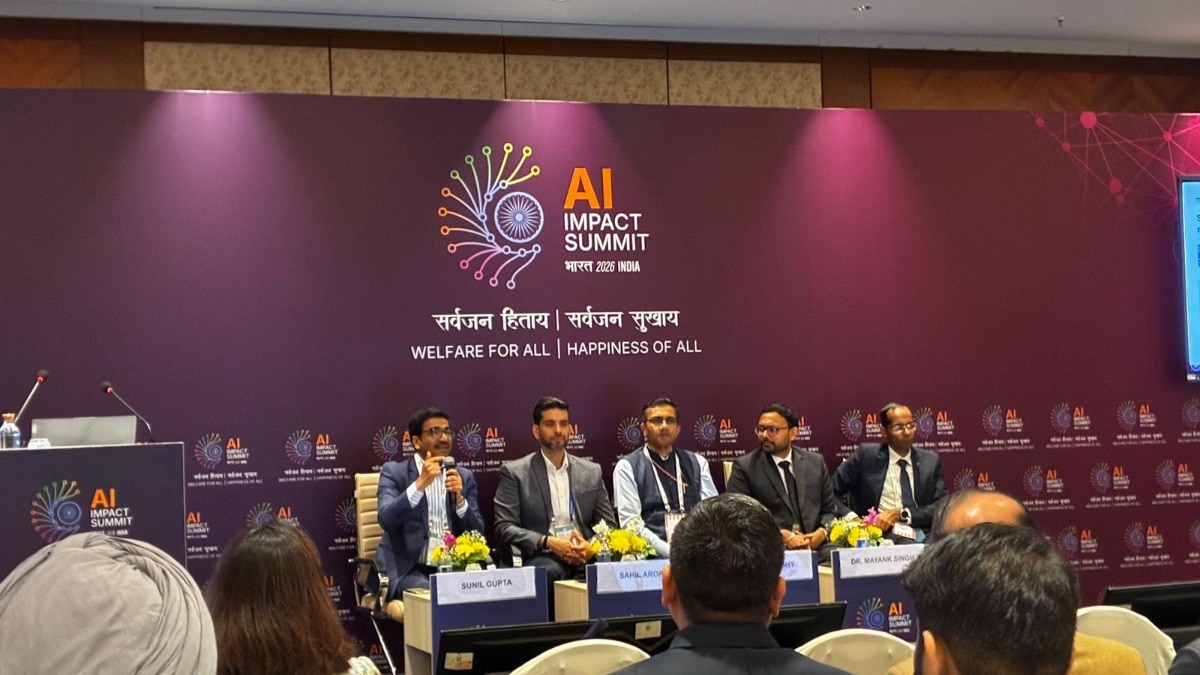
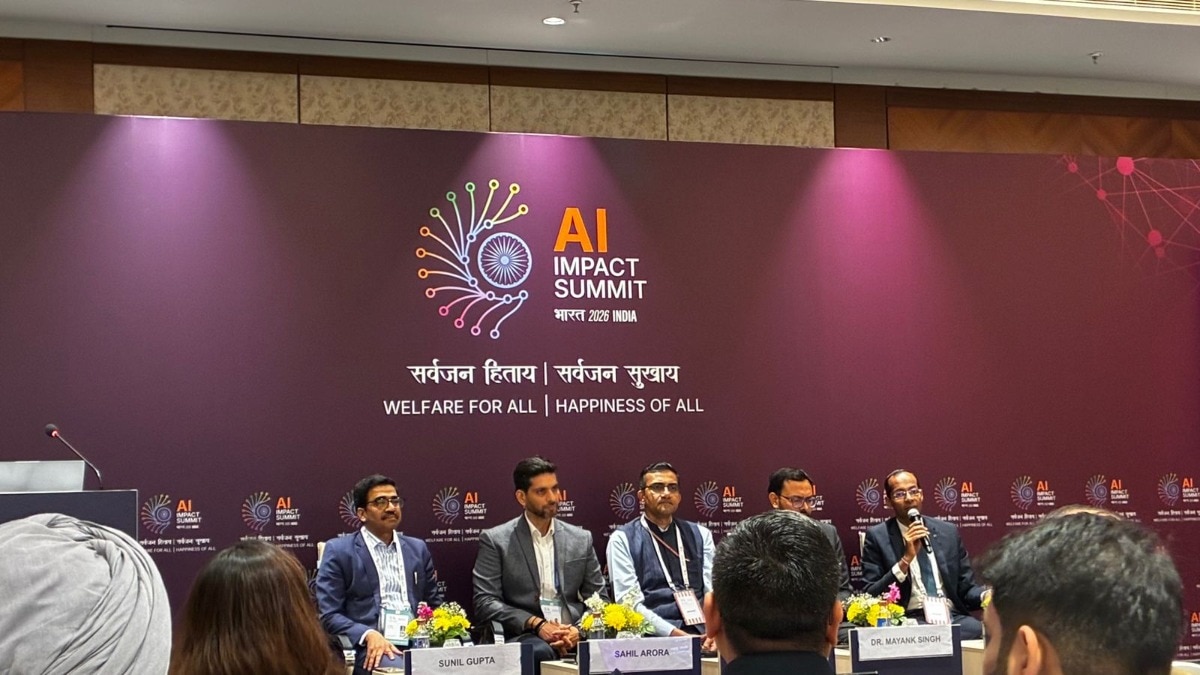
During his address at the India AI Impact Summit 2026, Sahil Arora, who serves as Business Head, AI & Data Centres at Qualcomm, elaborated on how the company envisions the progression of AI in India—from research and model training to real-world application accessible to citizens.
AI Must Operate Where Users Are
Arora expressed that Qualcomm’s vision extends beyond smartphones, despite the company’s stronghold in edge-device computing. He noted that while Qualcomm has traditionally catered to consumers via smartphones, the company is now branching out into data centres. The continued emphasis remains on optimising performance per watt and achieving efficient operation of large language models on both devices and cloud platforms.
According to Arora, achieving scalable AI in India necessitates a departure from exclusive reliance on cloud deployments.
Real-World Capability of AI Models
He highlighted the capability of on-device execution for models with 7 billion to 10 billion parameters, alongside functionalities such as Automatic Speech Recognition (ASR) and Text-to-Speech (TTS).
Arora pointed out that small ASR models operating directly on devices can reduce the dependency on cloud resources, thereby lessening compute requirements, enhancing connectivity efficiency, and minimising latency. This approach is pivotal given the scale of India.
Digital Transformation Paving the Way for AI
Arora further discussed India’s digital evolution through initiatives like UPI and Aadhaar, suggesting that the nation may be on the brink of its next significant AI-enabled transformation.
The accomplishments in UPI and Aadhaar are commendable, yet he stressed that AI accessibility hinges on affordability.
In his view, massive AI models may not be essential for the majority of applications in a country like India. He mentioned that a range of 40 to 50 billion parameters represents an optimal size for effective operations in the Indian context.
Hybrid AI Architecture for Future Deployments
Arora underscored the inevitability of a hybrid model for AI deployment in India, which harmoniously integrates edge devices with centralised computing.
With components like GPUs and NPUs embedded in various devices—from mobile phones to vehicles—the realisation of extensive deployment is set to take place. The essence of successful AI in India lies within this hybrid framework optimising both device capabilities and cloud resources.
His comments resonate particularly during a time when India is amplifying its GPU infrastructure through the India AI Mission, while industry stakeholders are swiftly enhancing domestic data centre capabilities.