


OpenAI Restructures into Public Benefit Corporation with Microsoft Partnership
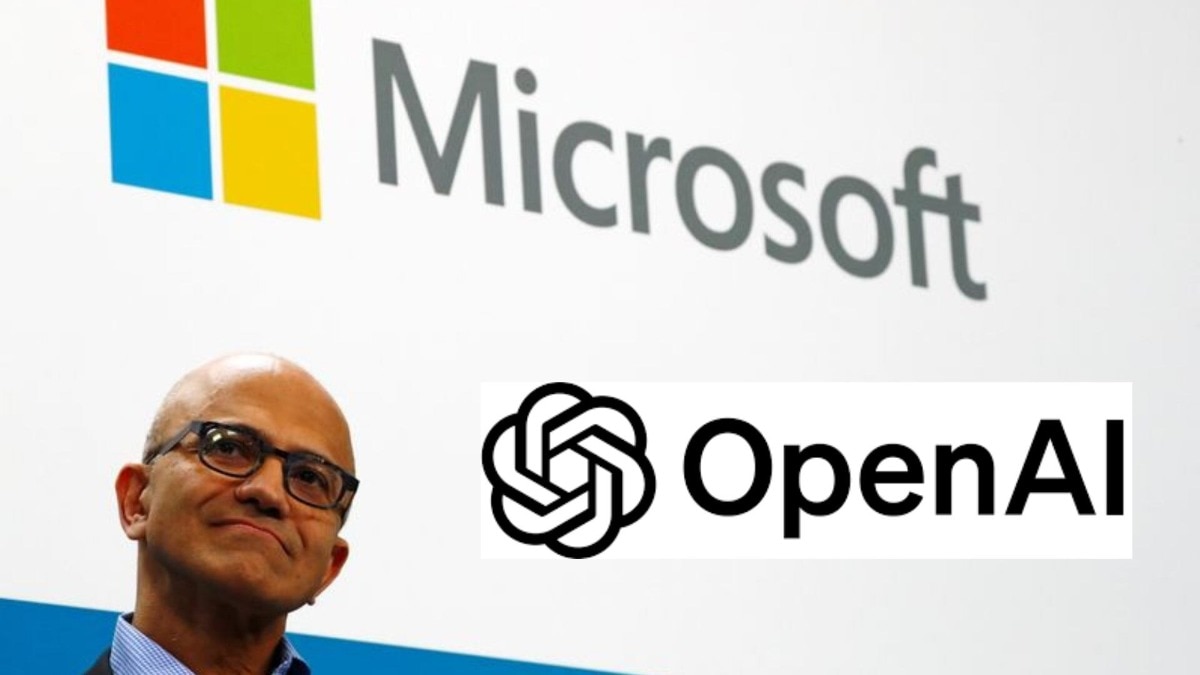
OpenAI, the cutting-edge AI startup, has announced a notable agreement with Microsoft to transition its for-profit segment into a Public Benefit Corporation (PBC). This strategic shift may enable OpenAI to secure additional funding and prepare for an eventual public offering.
Bret Taylor, the Chairman of the OpenAI Board, detailed in a blog post that this new structure will allow OpenAI’s nonprofit parent company to persist and oversee the operations of the organisation. Additionally, the nonprofit will obtain a stake in the newly formed PBC, valued at over $100 billion. Further specifics regarding this agreement were not made public.
Both companies stated jointly that a non-binding memorandum of understanding (MOU) has been signed to further their collaboration. They are actively striving to finalise contractual arrangements in a definitive agreement.
Should regulators in California and Delaware approve this transition, OpenAI could gain significant flexibility in attracting investment while ensuring nonprofit oversight. Nevertheless, the governance model remains unconventional, akin to the structure that enabled the nonprofit board to briefly remove CEO Sam Altman in 2023 before reinstating him days later due to board resignations.
Presently, Microsoft enjoys preferential access to OpenAI’s technology and serves as its primary cloud provider. Since Microsoft’s initial investment in 2019, OpenAI has experienced exponential growth and sought avenues for diversification. Recently, OpenAI committed to a $300 billion cloud collaboration with Oracle commencing in 2027 and has partnered with SoftBank for its Stargate data centre initiative.
Reports suggest negotiations between Microsoft and OpenAI have been tense. Microsoft showed interest in technology from Windsurf, an AI coding startup OpenAI attempted to acquire earlier this year, but the acquisition fell through. The founders of Windsurf have since joined Google, while their team has moved to another AI company, Cognition.
In a dramatic turn, Elon Musk, who is involved in an ongoing lawsuit against OpenAI alleging that it deviated from its nonprofit mission, made a $97 billion unsolicited takeover offer earlier this year. Although this bid was declined, experts noted that it might have affected the valuation of the nonprofit’s new stake.
Critics, including nonprofit groups like Encode and The Midas Project, caution that this transition could jeopardise OpenAI’s declared mission to ensure that artificial general intelligence serves humanity’s interests. OpenAI has countered these claims, asserting that such organisations receive funding from rivals like Musk and Meta CEO Mark Zuckerberg, a charge that both entities deny.
Taylor confirmed that OpenAI and Microsoft will continue to collaborate with the Attorneys General of California and Delaware regarding the transition, highlighting that regulatory approval remains essential before the PBC model can be implemented.
If the arrangement progresses, the nonprofit stake held by OpenAI in the PBC would exceed the value of Musk’s unsolicited bid, potentially altering the course of the organisation in the fast-paced AI industry.