


Smartphone photography is encroaching on realms traditionally dominated by dedicated cameras, yet now and then, a brand truly challenges the status quo. The Oppo Find X9 Pro is one of the most technologically advanced camera phones available this year, equipped with an impressive 50-megapixel primary sensor, an enhanced ultrawide camera, and a remarkable 200-megapixel periscope telephoto sensor that confidently covers zoom capabilities from 3X to 6X.
However, Oppo felt that this was insufficient.
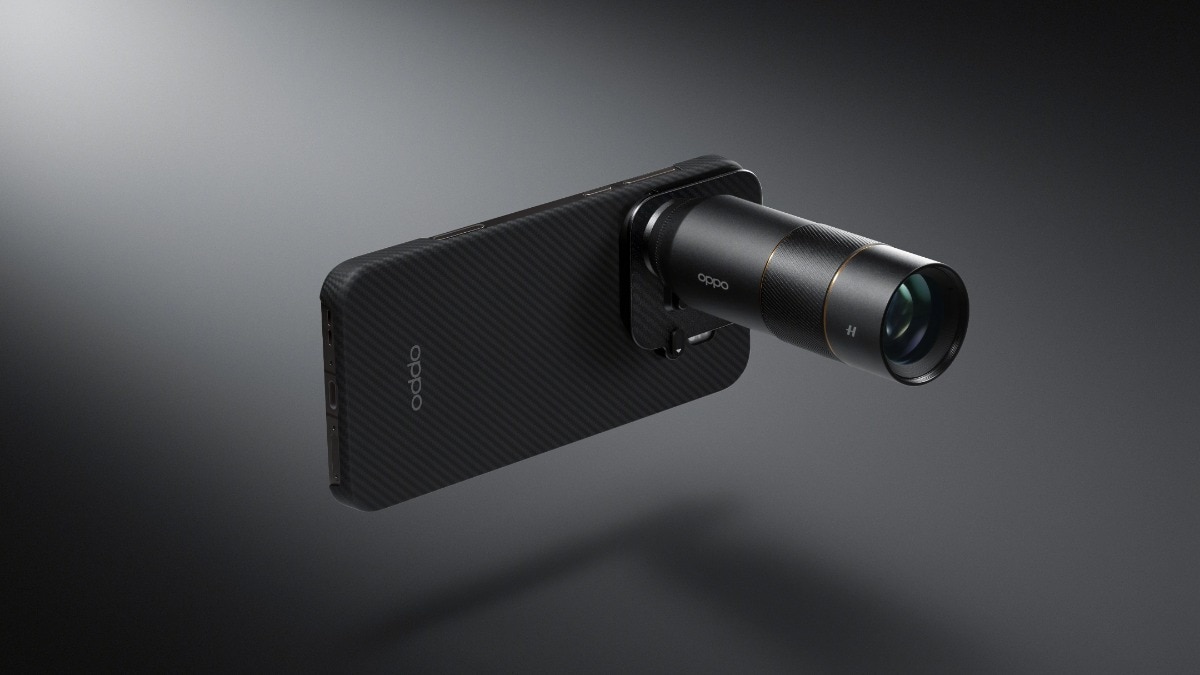
Introducing the Hasselblad Teleconverter Kit. This substantial, specially engineered attachment claims to amplify optical zoom from 3X to an astonishing 9.6X, create a DSLR-like compression effect, and allow for more lifelike portrait perspectives at focal lengths that are typically unattainable on a smartphone. Additionally, the kit enables digital capture of subjects up to 200X, leveraging Oppo’s Lumo Image Engine paired with Hasselblad’s colour tuning.
Over the course of a week spent travelling and snapping street scenes, landmarks, and the occasional cheeky pigeon, it became clear that this is among the most captivating smartphone photography accessories ever encountered. Nevertheless, it is also one of the more impractical ones.
Let’s delve into the positives, negatives, and the wonderfully technical aspects.
Design and Handling: A Phone Transformed Into a Hybrid Camera
Included in the kit are a teleconverter lens, a metal mounting plate that slides on, and a specially designed case with embedded magnets compatible with AirVOOC and various Qi 2 charging accessories. The construction is robust, and attaching the device is seamless. Align, slide, lock, shoot.
Upon attachment, the phone resembles an unusual compact camera and becomes noticeably top-heavy. Extended shooting sessions may lead to wrist discomfort. Since the mount obscures both the primary and ultrawide lenses, users are restricted to solely using the 3X periscope lens while the kit is in place.
A quick-release feature is absent, meaning switching back to the main camera for a broader shot necessitates complete removal of the lens and mounting plate. This can quickly become irritating.
At nearly thirty thousand rupees, a carry case should have been included. Transporting the lens loosely in a bag is far from ideal.
Clearly, convenience is not the focus here. This accessory is designed for intentional photography rather than casual snapshots.
Optical Performance: Remarkable Effects When the Teleconverter is Engaged
The teleconverter operates solely within a dedicated Hasselblad Teleconverter mode, found in the More section of the camera application. From the moment the phone with the kit is lifted, the necessity for this mode becomes evident. Internal corrections are required for the lens’s image projection, so using other modes results in inverted or distorted images.
When in the correct mode, the outcomes are striking.
The kit expands the camera’s optical zoom to 9.6X, which equates to approximately 230mm in focal length. This level of background compression is something that typically challenges smartphones. Portraits appear more authentic, with subject separation reminiscent of a dedicated telephoto lens. Bokeh is beautifully smooth, transitions are natural, and the compression contributes drama without rendering images artificial.
At 10X, 20X, and 40X zoom levels, performance surpasses that of the native sensor. Images exhibit greater detail, colours retain accuracy, and edges maintain their clarity. While resolution at 18 megapixels falls short of the main sensor’s peak, the optical integrity compensates.
The depth of field at extended focal lengths delivers a compact telephoto system that proves delightful for capturing wildlife, concerts, architecture, or anything that necessitates reach.
Digital zoom can be pushed up to 200X. At this extreme level, even slight movements can disrupt framing. Processing becomes aggressive, with shadows being lifted or crushed based on the scene, and textures occasionally resembling an oil painting.
The kit definitely gets users closer, yet this extreme zoom is likely more of a novelty for the average person.
Portraits: A Pocket DSLR for the Skilled Photographer
One scenario where the kit excels is in portrait photography. Using the native sensor at 70mm or 85mm yields outstanding results, but the teleconverter elevates the quality of bokeh to new heights.
Facial features remain sharp, bokeh blooms seamlessly, and there are no edge artefacts or haloing often produced by computational algorithms. Skin tones appear rich, colours stay true, and the entire image possesses a cinematic quality.
This is an experience that photography enthusiasts will truly appreciate. It effectively bridges the gap between smartphones and compact mirrorless systems, delivering a genuinely empowering feeling.
Video: Surprisingly Good and Nearly Cinematic
Video recording is possible with the kit, but only via the dedicated Teleconverter mode. The footage is stable, colours are accurate, and motion appears fluid. Lens flare is well-managed for a telephoto attachment, which came as a pleasant surprise.
The sole limitation is in low-light conditions. Although the kit performs admirably, noise begins to emerge early, and stabilisation struggles in dim lighting.
Regardless, as a specialist tool, the video quality is commendable.
Where the Kit Falls Short: Portability and Versatility
Though the Teleconverter Kit is thrilling, it presents three significant downsides.
Users lose access to the other two cameras while it’s attached.
Since the mount conceals the ultrawide and main lenses, switching between focal lengths becomes impossible without taking apart the setup.
The upper portion of the phone becomes weighty.
Prolonged shooting can be uncomfortable, particularly when capturing at awkward angles.
Should Oppo refine the mounting system, this accessory might increase in practicality. For now, it remains a niche tool for enthusiasts who are willing to endure the extra effort.
Add-on Features: XPan, Master Mode and Smart Scenes Enhance the Experience
The camera software of the Find X9 Pro is brimming with features that complement the telephoto kit.
XPan mode continues to be a favourite among users for storytelling. The cinematic 65 by 24 frame feels perfect for street scenes and panoramic vistas. Master Mode is equally rewarding, providing DSLR-like control over ISO, shutter speed, and focus. When paired with the teleconverter, it offers a wonderfully manual shooting experience.
Smart Scenes are noteworthy as well. The phone intelligently suggests Stage, Fireworks, or Silhouette modes based on lighting conditions. While using the teleconverter at concerts, Stage mode preserved many shots by effectively managing flares and exposure spikes.