Highlights
India and AI: Embracing Open Source for Future Growth
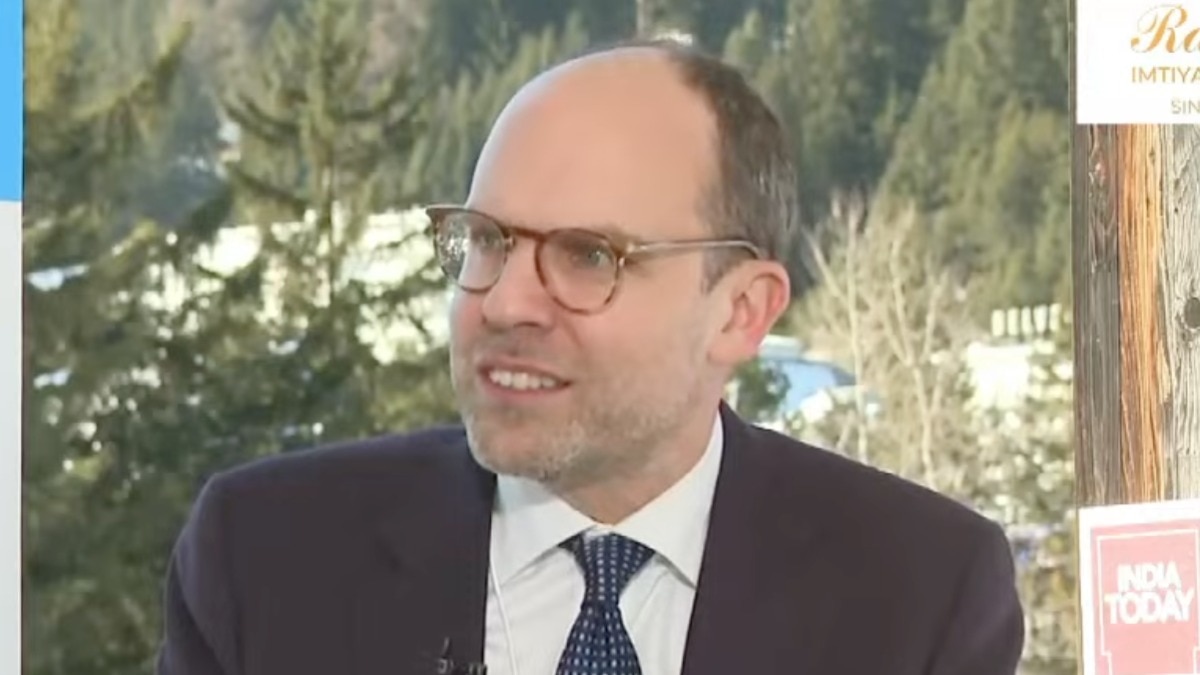
India should not fully commit to large language models (LLMs) and is encouraged to adopt an open-source approach, stated Carl Benedikt Frey, a professor at Oxford University, during discussions at the World Economic Forum in Davos. He cautioned that it is still uncertain if the current leading AI methods will remain dominant in the long run.
Strategic Positioning for AI Leadership
According to Frey, who holds the Dieter Schwarz Associate Professorship in AI & Work at the Oxford Internet Institute and is a Fellow at Mansfield College, India is well-placed to become a significant player in the global AI landscape. He advocates for diversifying research efforts beyond existing trends, rather than focusing solely on LLMs.
Frey suggests a strategy that emphasises open-source models applicable in sectors where India already excels. He also recommends greater investment in various research areas, including small language models and symbolic AI, while market opportunities are still available. Frey noted that if India chooses an independent path and makes informed decisions, it could establish itself as an AI leader.
Concerns About the AI Bubble
Frey raised serious concerns regarding the possibility of an AI market downturn, indicating a “fifty/fifty chance” that the AI bubble may burst by the following year. He pointed out a decline in AI usage since last summer and mentioned that current market valuations do not reflect the potential surge in practical applications needed to support them.
Changes in Job Market Dynamics
Addressing worries about job losses linked to AI, Frey provided an alternative outlook on the future workforce. He argued that AI is currently lowering entry barriers in knowledge-based jobs, which could ultimately benefit India’s economy given the existing wage disparities.
Frey expressed that as AI helps narrow these productivity gaps, more organisations might shift work to India. He highlighted that hiring rates in India’s service sector have been increasing, contrasting with a decline in these rates in Europe and North America.
Watch the full video here: