Indian Travellers Lead in AI and Biometric Tech Adoption
A recent study conducted by Amadeus demonstrates that Indian travellers are at the forefront of integrating artificial intelligence and biometric technologies, aiming to enhance travel experiences to be more efficient, personal, and enjoyable.
The report, titled Connected Journeys: How Technology Will Transform Travel in the Next Decade, analysed responses from 9,500 global travellers across seven regions, including India, China, Singapore, France, Spain, the UK, and the US. It investigates the impact of emerging technologies on travel and hospitality.
AI Adoption Among Indian Travellers
According to the findings, Indian travellers are increasingly utilising generative AI for trip planning, with adoption increasing from 17 per cent last year to 26 per cent this year. Among those who have employed GenAI for their travel plans, 97 per cent reported beneficial outcomes. Nearly half (49 per cent) indicated that it helped them save time, while 45 per cent discovered hidden gems, and 44 per cent noted a more creative and enjoyable planning experience.
Loyalty Programmes Influence Travel Behaviour
The research highlights the role of loyalty programmes in shaping travel patterns. A staggering 92 per cent of Indian travellers belong to at least one loyalty scheme, with 47 per cent stating it drives them to travel more frequently for leisure and 46 per cent opting for upgrades.
Global Trends in AI Usage
Globally, the report indicates that travellers are leaning more on AI for informed decision-making, with usage increasing by 64 per cent compared to the previous year. Approximately 64 per cent of respondents expressed willingness to pay for an AI travel assistant to provide in-trip updates, and 17 per cent indicated they would allocate up to five per cent of their trip’s total value for such assistance.
Challenges with AI Technology
However, 25 per cent of respondents expressed dissatisfaction with outdated or incorrect AI-generated information, and the same proportion felt that the technology did not accurately reflect their preferences.
Insights from Industry Leaders
Decius Valmorbida, President of Travel at Amadeus, commented that the rapid increase in Generative AI usage signifies a strong demand for more personalised travel experiences. He emphasised the pressing need for the industry to collaborate effectively to meet high expectations. At Amadeus, there is recognition of the potential to work across the travel ecosystem to ensure that AI adds real value, simplifying processes, boosting confidence, and enhancing the overall journey experience.
Mani Ganeshan, Senior Vice President and Head of APAC Engineering at Amadeus India, noted that in a digital-first landscape like India, the swift embrace of GenAI in travel decisions is unsurprising. Travellers are not merely receptive to innovation; they have come to expect it. AI-driven tools like intelligent itinerary suggestions, real-time rebooking, and hyper-personalised travel planning make the entire travel process seamless from custom planning to biometric boarding.
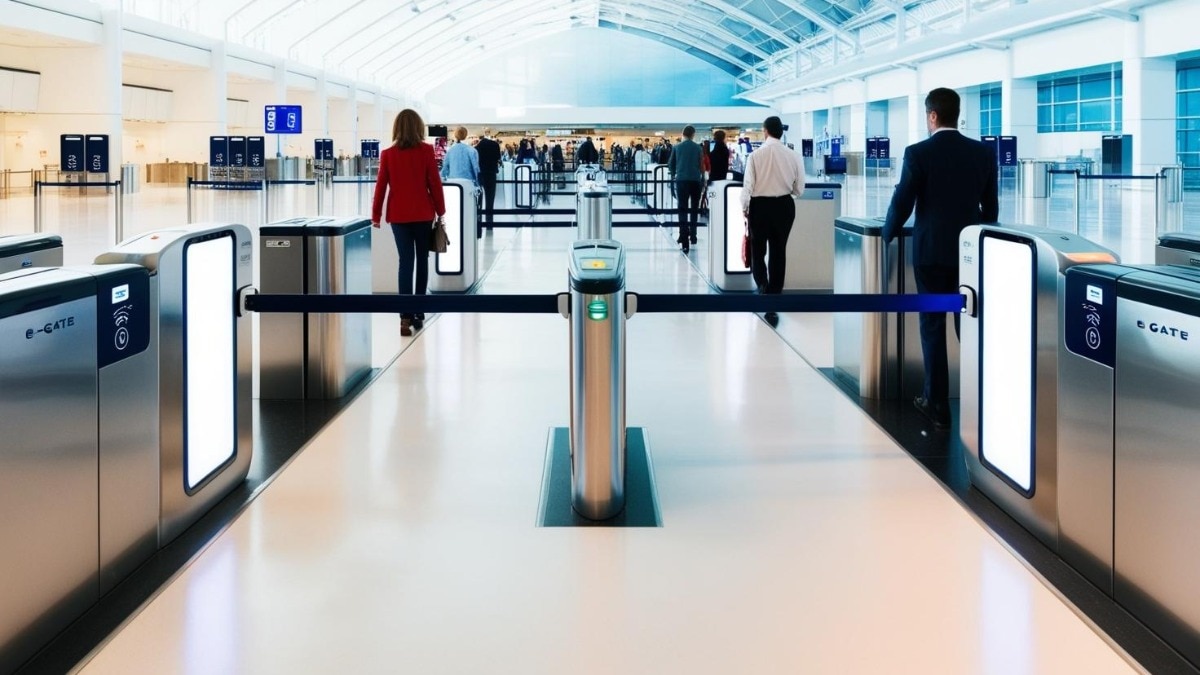
Ganeshan also mentioned that solutions such as DigiYatra have significantly reduced airport entry-to-boarding times to mere minutes, paving the way for scalable and secure biometric travel solutions throughout India.
Addressing Travel Anxiety with Technology
The study further highlighted that 90 per cent of Indian air travellers experience some level of anxiety while travelling, with concerns peaking around security checks, packing, and potential flight delays. Despite this, many are receptive to technological solutions that could alleviate these apprehensions.
Two-thirds of global respondents showed interest in remote baggage check-in, while 74 per cent of Indian travellers prefer biometric entry points for a smoother airport experience, surpassing the global average of 69 per cent. The increase in contactless payments, mobile wallets, and UPI positions India as a key market for AI and biometric travel innovations.
Technological Tools Reducing Travel Anxiety
Other technologies contributing to reducing travel-related anxiety include real-time notifications via mobile applications (29 per cent), digital wallets for document management (27 per cent), smart luggage tracking systems (26 per cent), and integrated super apps (26 per cent).