Highlights
Copyright is at the forefront of discussions as Japan’s Content Overseas Distribution Association (CODA) represents top publishers and studios, including Studio Ghibli. CODA has formally requested OpenAI to halt the usage of copyrighted content for training its AI models without obtaining prior consent.
Impact on Studio Ghibli
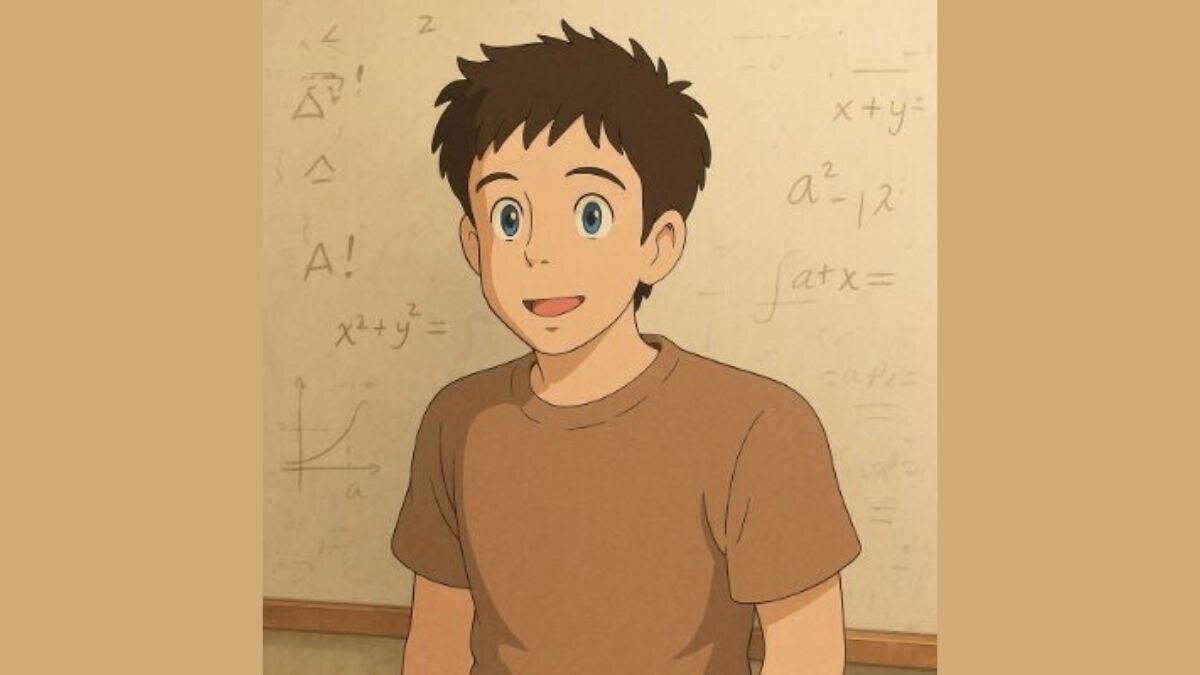
Studio Ghibli, famed for creations like Spirited Away and My Neighbor Totoro, has expressed significant concern regarding AI image generation tools that recreate its unique hand-drawn aesthetic. Following the launch of OpenAI’s image generator in March, users have increasingly encouraged the software to reimagine selfies and pet images in a “Ghibli” style. Notably, OpenAI CEO Sam Altman even altered his profile picture on X to showcase a “Ghiblified” version of himself.
Reflections from Hayao Miyazaki
Hayao Miyazaki, a key creative figure at Studio Ghibli, has refrained from directly commenting on the recent wave of AI-produced iterations of his artworks. Nonetheless, back in 2016, after being introduced to AI-generated 3D animations, he expressed his deep disapproval. The filmmaker articulated his feelings by stating that such innovations were utterly repulsive.
He remarked that he could not find any interest in watching these productions and firmly believed they represent an affront to life itself.
CODA’s Concerns over AI Practices
The correspondence issued by CODA emerges amidst escalating dissatisfaction from Japanese media creatives regarding the training processes of AI models. With OpenAI poised to broaden access to its Sora video generator, CODA has stressed the need for the company to abstain from utilizing the creative outputs of its members for machine learning purposes unless explicit consent is provided.
OpenAI’s Controversial Approach
OpenAI has previously come under fire for what many critics label a “use first, apologise later” methodology regarding copyrighted material. The company’s tools have enabled users to generate AI interpretations of iconic characters and notable public figures, sparking grievances from entities like Nintendo and the estate of Dr. Martin Luther King Jr.
Legal experts assert that while OpenAI could choose to comply with these requests voluntarily, a refusal could prompt impacted rights holders to initiate legal action. Globally, the framework of copyright law has yet to adapt to the rapid advancements in AI technology.
Potential Legal Implications
CODA contends that these actions may constitute a blatant infringement of Japan’s copyright legislation, potentially establishing a legal benchmark for AI data training and the ownership of creative works.