Tesla’s Expansion Efforts in the Indian Market
Tesla is intensifying its expansion in India’s automotive market, focusing on retail and manufacturing initiatives.
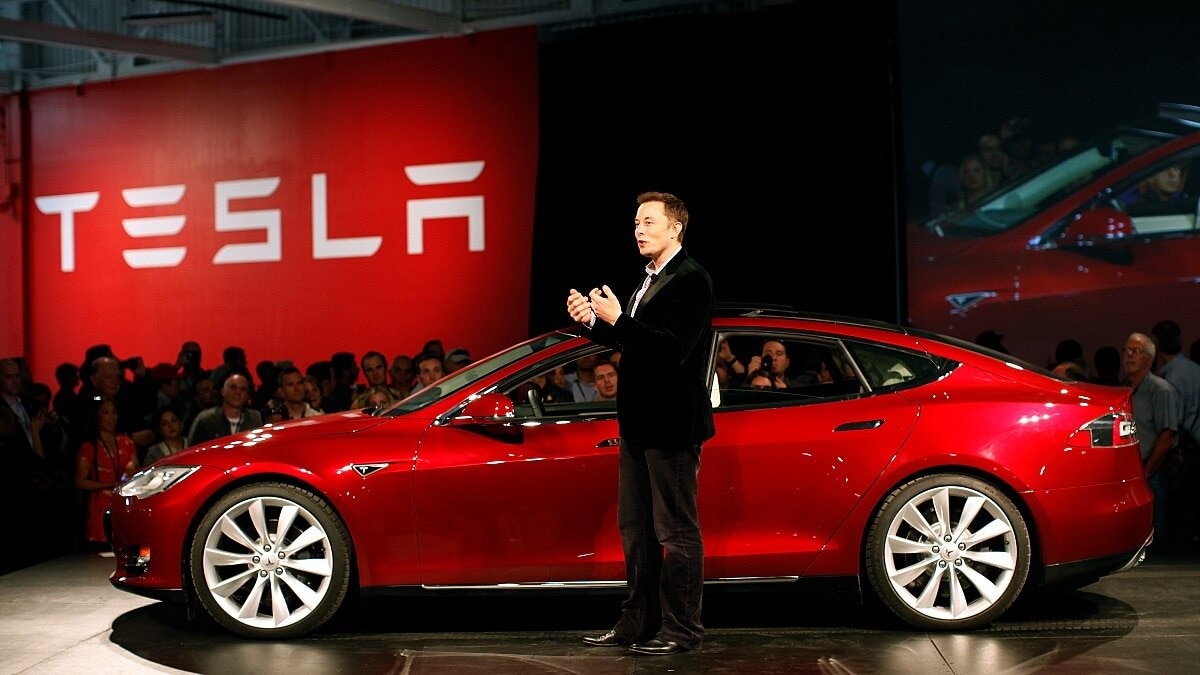
This US-based electric vehicle giant has secured showroom locations in two major cities: Mumbai and New Delhi, marking a crucial advancement in entering the third-largest automobile market in the world after facing extensive delays. Tesla initially postponed its plans to enter the Indian market in 2022 but has revitalized its efforts following a recent meeting between CEO Elon Musk and Prime Minister Narendra Modi in the US.
Retail Expansion Plans: Tesla’s Key Locations in India
Tesla has reportedly finalised two prime locations for its retail presence in India:
- New Delhi: Aerocity, a leading commercial area near Indira Gandhi International Airport, renowned for its luxury hotels, corporate offices, and retail spaces.
- Mumbai: Bandra Kurla Complex (BKC), a prominent business and retail district situated close to the city’s airport.
Tesla’s longstanding request for India to reduce import duties on electric vehicles, currently close to 100%, has posed a significant challenge. Despite Musk’s persistent appeals for lower tariffs, Indian automobile manufacturers have expressed concerns that such changes could threaten the local EV sector.
Nevertheless, the company is moving forward with its plans by currently recruiting for a major store in Mumbai, listing 13 job openings that encompass vehicle service, sales, customer support, and operations roles. This recruitment drive highlights Tesla’s dedication to creating a substantial retail presence in one of India’s key financial cities.
Alongside Mumbai, Tesla has pinpointed a showroom site in Aerocity, New Delhi, which is conveniently located near the international airport. These showrooms, each spanning around 5,000 square feet, will primarily focus on selling imported electric vehicles and will not operate as service centres. Although the showroom launch is on the horizon, the exact timeline for vehicle sales is still uncertain.
Affordable EV for the Indian Market
Tesla is projected to introduce an electric car priced at under $25,000 (₹21 lakh) specifically designed for the Indian consumer. Despite this, the company has yet to confirm plans for local EV manufacturing in India. Instead, Tesla aims to increase the sourcing of components from Indian OEM suppliers, with expectations that this sourcing could surpass $1 billion by 2025.
Job Openings and Recruitment Efforts
The company has also recently advertised job openings for 13 mid-level positions in India, including roles such as store managers and customer relationship executives, indicating active recruitment efforts in preparation for its official launch.
Manufacturing Prospects and State-Level Competition
While Tesla has been exploring potential locations around Pune, it has yet to secure land for its manufacturing operations. Several Indian states, particularly Maharashtra and Gujarat, are vying to become the location of Tesla’s manufacturing hub. Prominent sites include Chakan and Chhatrapati Sambhaji Nagar (Aurangabad) in Maharashtra, with the Tamil Nadu government also expressing interest, raising possibilities for Tesla’s investment opportunities.
Engagement with Indian Government
Officials from Tesla are scheduled to travel to India in April to meet with representatives from the Prime Minister’s Office and various ministries. These meetings will focus on navigating regulatory challenges and investigating potential incentives that could facilitate Tesla’s entry into the market. To access relief from import duties, Tesla must apply under the Government of India’s framework, which provides reduced import taxes for companies making significant manufacturing investments locally.
Investment Plans
There are reports indicating that Tesla might invest between $3 billion and $5 billion in its Indian operations initially. This capital investment aligns with India’s electric vehicle policy, which mandates a minimum investment of ₹4,150 crore (approximately $500 million) while also ensuring 50% domestic value addition within a five-year period to be eligible for reduced import duties.
Elon Musk has openly commented on India’s high import duties, which are currently set at 100% for fully assembled electric vehicles. Tesla has actively sought reductions in these tariffs but has encountered opposition from Indian auto manufacturers concerned about the impact on competition within the expanding EV market.
In a recent discussion between Indian Prime Minister Narendra Modi and U.S. President Donald Trump, trade policies and tariffs were on the agenda, hinting at a possible resolution that could facilitate Tesla’s entry into the Indian market.
Potential Impact of Tesla’s Launch
Tesla’s strategic approach in India may gain positive momentum if the government revises its electric vehicle tariff policies, potentially allowing for reduced duties in return for investment commitments from the company.
With the demand for high-end electric vehicles surging in India, Tesla’s entrance into the market is anticipated to heighten competition against established brands such as Mercedes-Benz, BMW, and Hyundai, all of which have already launched their premium electric vehicles in the country.